


Civil Engineering for Disaster Relief: Rapid Response Infrastructure for Crisis Zones
In an era where natural disasters seem to occur with increasing frequency and severity, the ability to provide rapid response infrastructure is more critical than ever. Civil engineering is at the heart of this response, offering solutions that can be quickly deployed in the aftermath of a disaster to provide immediate relief and facilitate long-term recovery.
The Crucial Role of Civil Engineers in Disaster Relief
Civil engineers are the unsung heroes of disaster recovery. They assess damage, design temporary facilities, and rebuild stronger structures. Their work begins with the immediate aftermath, providing essential services such as portable water treatment systems, temporary shelter, and critical transportation links.
Rapidly Deployable Infrastructure Solutions
- Bailey Bridges: These prefabricated steel truss bridges can be quickly assembled to replace destroyed infrastructure or provide access to isolated areas.
- Portable Water Treatment Units: Ensuring access to clean water is a priority. Portable units can filter and purify water from any source, making it safe for consumption.
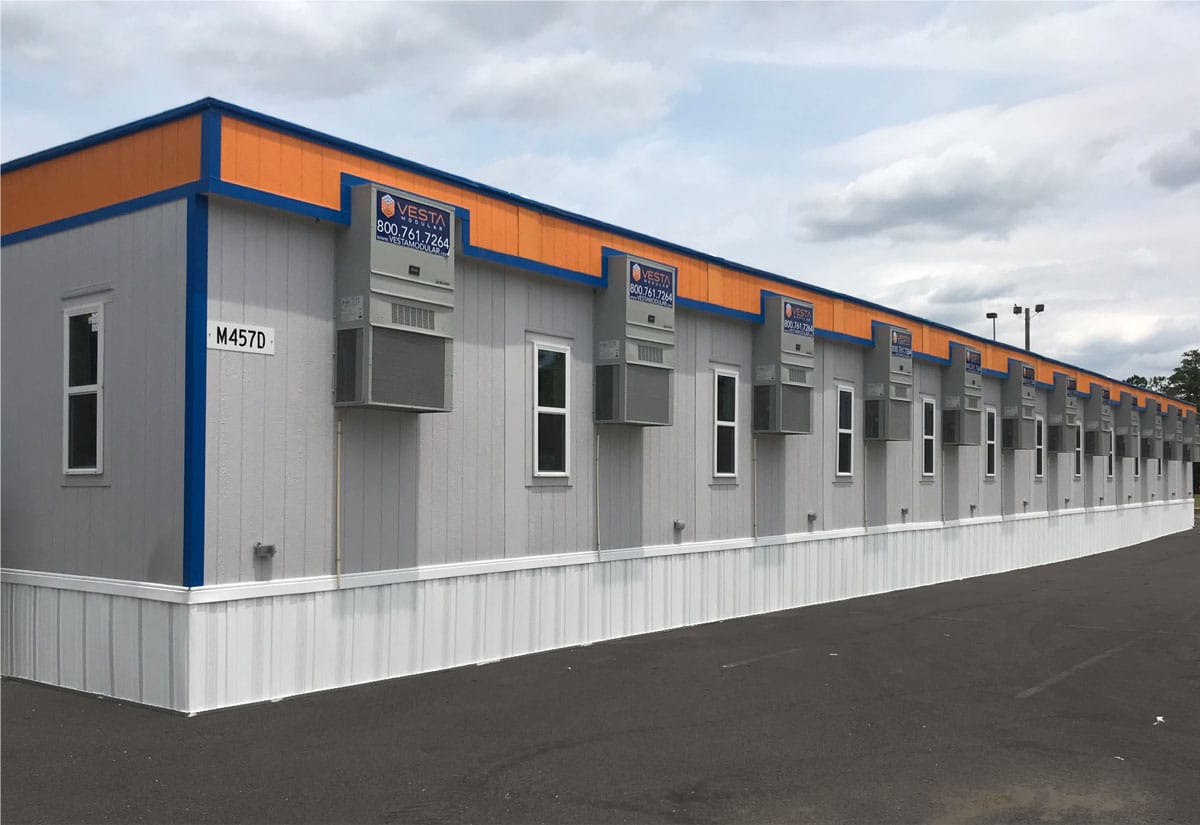
- Modular Housing: Prefabricated homes can be rapidly deployed to provide temporary housing for those displaced by disasters.

Innovative Materials and Techniques
Civil engineers utilize innovative materials and techniques to build structures that can withstand future disasters:
- Earthquake-Resilient Designs: Techniques such as base isolation and flexible materials help structures absorb seismic shocks.
- Flood-Resistant Construction: Elevated buildings on stilts or flood walls can protect against rising water levels.
- Wind-Resistant Structures: Aerodynamic shapes and reinforced materials reduce wind damage during storms.
Technology in Disaster Relief
Technology plays a pivotal role in disaster relief:
- Drones: Unmanned aerial vehicles quickly assess damage and reach areas that are otherwise inaccessible.
- GIS and Remote Sensing: These tools help in mapping affected areas, planning relief operations, and monitoring recovery.
- 3D Printing: This technology can produce parts and tools on-site, speeding up the repair and reconstruction process.
The Humanitarian Aspect of Engineering
Civil engineering in disaster relief is not just about infrastructure; it's also about the humanitarian aspect of helping communities recover:
- Community Involvement: Working with local populations during the rebuilding process ensures the infrastructure meets their needs and leads to more sustainable development.
- Training and Education: Civil engineers often train local workers, leaving a legacy of skills and knowledge in the community.

Challenges and the Path Forward
Despite the advances, challenges remain:
- Logistical Constraints: Transporting materials and personnel into disaster zones can be complex and dangerous.
- Cultural and Language Barriers: Engineers must navigate local customs and languages to work effectively.
- Political and Social Complexities: The varying political and social landscapes of disaster-affected areas can impact relief efforts.
Nevertheless, the path forward is paved with opportunity. The continued development of new materials, methods, and technologies promises to enhance the civil engineering response to disasters. Collaborative efforts between governments, NGOs, and private entities are crucial for a coordinated response.
Conclusion
Civil engineering for disaster relief embodies the essence of the profession: safeguarding the welfare of the public. As we face an uncertain future with climate change, the role of civil engineers becomes increasingly vital. Their expertise in rapid response infrastructure provides not just immediate relief but also a foundation for resilient redevelopment, offering hope in the face of adversity.