


Coastal Infrastructure Design: Strategies for Combating Erosion and Sea-level Rise.
Our coastlines, the delicate boundary where land meets sea, face a growing threat from climate change. Rising sea levels and increased instances of extreme weather events have amplified coastal erosion, posing significant challenges to existing infrastructure. Fortunately, civil engineering and scientific communities have risen to these challenges, introducing innovative designs and strategies tailored for resilience.
The Rising Threat: Understanding the Challenges
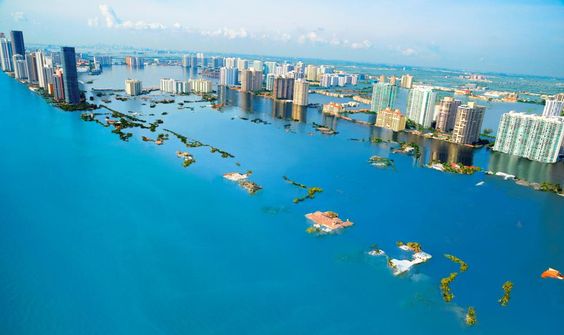
- Sea-level Rise: A direct consequence of melting polar ice caps and the expansion of seawater as it warms, rising sea levels threaten to inundate coastal areas, affecting communities and their infrastructure.
- Increased Erosion: With higher sea levels comes more powerful wave action, resulting in accelerated coastal erosion. This phenomenon undermines foundational support for structures, making them unstable.
- Saltwater Intrusion: Rising sea levels can lead to the infiltration of saltwater into freshwater sources, affecting both drinking water and agriculture.
Strategies in Infrastructure Design: Building Resilience
- Elevated Structures: One of the straightforward solutions has been elevating structures on pilings or platforms. This ensures that buildings remain functional even during higher water levels.
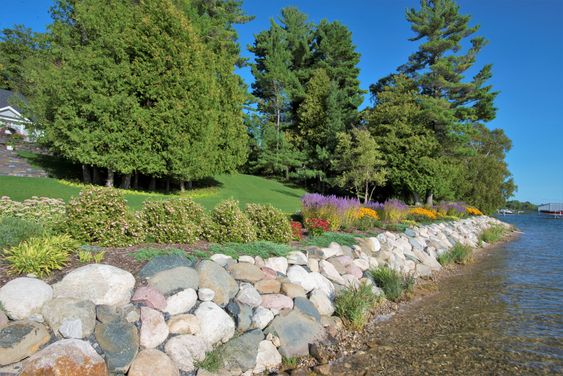
- Seawalls, Bulkheads, and Revetments: These hard protective measures are designed to absorb wave energy and prevent erosion. While effective, they can sometimes exacerbate erosion in neighboring, unprotected areas.
- Living Shorelines: Combining hard and soft tactics, living shorelines use plants, oyster shells, and other natural materials to stabilize coastal areas. These solutions not only protect against erosion but also provide habitats for marine life.
- Beach Nourishment: This involves importing and depositing sand or other sediments from elsewhere to restore a beach that has been eroded.
Nature-based Solutions: Embracing Nature's Wisdom
- Mangrove Planting: Mangroves act as buffers, absorbing wave energy and reducing erosion. Their intricate root systems stabilize sediments, preventing them from washing away.
- Coral Reef Restoration: Coral reefs serve as natural barriers, reducing wave energy by up to 97%. Restoring and conserving these ecosystems can significantly diminish the impacts of storm surges.
- Dune Restoration: Sand dunes absorb wave impacts and act as barriers during storm surges. Planting vegetation on dunes can prevent erosion by stabilizing the sand.
Forward Thinking: Adaptive Design and Continuous Monitoring
While implementing these strategies, it's vital to adopt an adaptive approach:
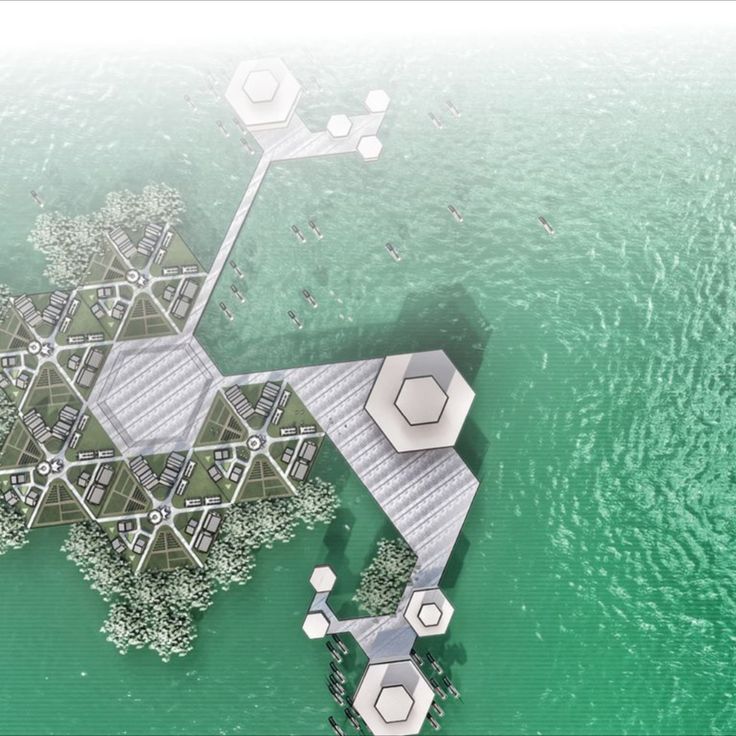
- Dynamic Infrastructure: Designing infrastructure that can be modified in response to environmental changes ensures longevity and functionality.
- Continuous Monitoring: Employing sensors and other technologies can provide real-time data on environmental conditions, allowing timely interventions.
- Community Engagement: Locals have an in-depth understanding of the challenges unique to their coastlines. Collaborating with them can lead to more effective, sustainable solutions.
The Road Ahead
Addressing the challenges posed by sea-level rise and coastal erosion requires a multi-pronged approach. Traditional methods, while effective, need to be supplemented with innovative, nature-based solutions for holistic protection. The future of coastal infrastructure lies in harmonizing modern engineering with nature's age-old wisdom.
By integrating these strategies, we can protect our coastal communities and ecosystems, ensuring that they continue to thrive in the face of ever-evolving challenges.