


Digital Transformation in Civil Engineering: Leveraging Technology for Sustainable Outcomes
Civil engineering, one of the oldest professions in the world, is not one you'd typically associate with digital transformation. However, as with many other industries, technology is playing an ever-increasing role in revolutionizing how civil engineers design, build, and maintain our built environment. The focus? Ensuring infrastructure is more sustainable, efficient, and resilient for future generations.

1. The Evolution of Digital Technology in Civil Engineering:
Civil engineering's relationship with technology is not new; from the adoption of computer-aided design (CAD) to the use of advanced construction machinery, the industry has always been evolving. However, recent technological advances offer tools and strategies that can significantly change the industry's fabric.
A. Building Information Modelling (BIM):
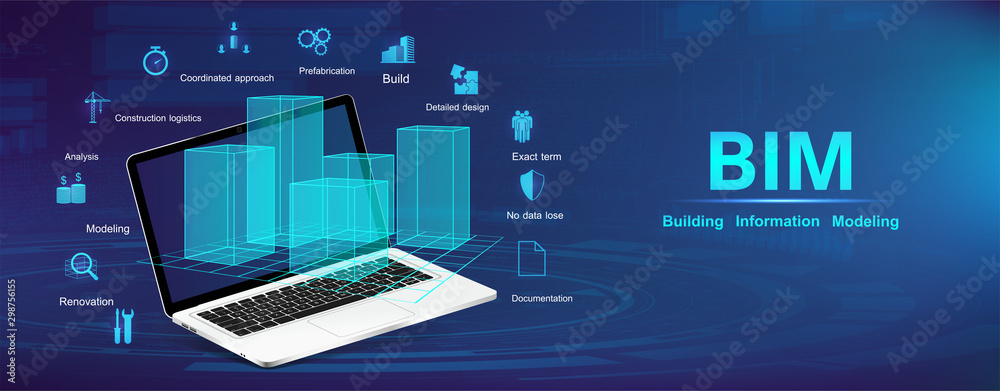
BIM has been a game-changer in civil engineering and architecture. It allows professionals to create detailed digital representations of buildings and infrastructure. These models integrate information about a project's physical and functional characteristics, enabling better planning, design, construction, and maintenance.
B. Drones and Aerial Surveying:
Drones equipped with high-resolution cameras and sensors can provide a birds-eye view of construction sites, enabling precise measurements, monitoring progress, and identifying potential issues. This results in increased efficiency and safety on site.
C. Virtual and Augmented Reality (VR & AR):
With VR & AR, engineers can visualize and interact with projects before they are built, allowing for adjustments in design, testing potential solutions, and offering a realistic view to stakeholders.
2. Towards Sustainable Outcomes:
Digital transformation isn't just about adopting new technologies; it's about leveraging them to drive sustainable outcomes in civil engineering projects.
A. Efficient Resource Utilization:
Digital tools allow engineers to make the most of available resources. By simulating different scenarios, engineers can determine the best approach to minimize waste, reduce costs, and decrease the environmental impact.
B. Enhanced Collaboration:
Digital platforms promote collaboration between all stakeholders in a project – from architects to contractors to clients. This collaborative approach ensures that sustainability goals are communicated, understood, and achieved throughout the project's lifecycle.
C. Predictive Maintenance:
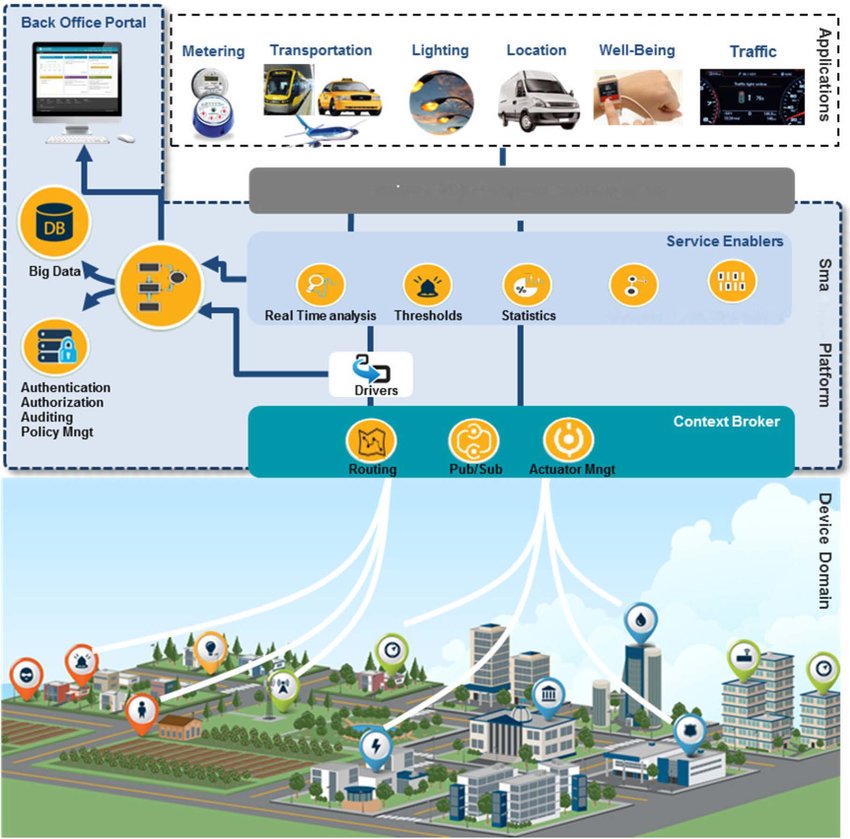
Advanced sensors and the Internet of Things (IoT) can be integrated into infrastructure. This enables real-time monitoring and data collection, which, when processed with analytics, can predict when maintenance is required, preventing costly breakdowns and ensuring longevity.
3. The Road Ahead:
The journey of integrating digital technologies in civil engineering has only just begun. As we look to the future, the adoption of Artificial Intelligence, machine learning, and even quantum computing could further enhance civil engineering capabilities, driving the industry towards even more sustainable and resilient infrastructure solutions.
Conclusion:
Digital transformation in civil engineering signifies a profound shift in how we envision, design, and implement infrastructure projects. By leveraging the power of technology, civil engineers can ensure that the infrastructures they build today will stand as a testament to sustainability and innovation for future generations.