


Innovative Stormwater Management: Techniques for Resilient Cities.
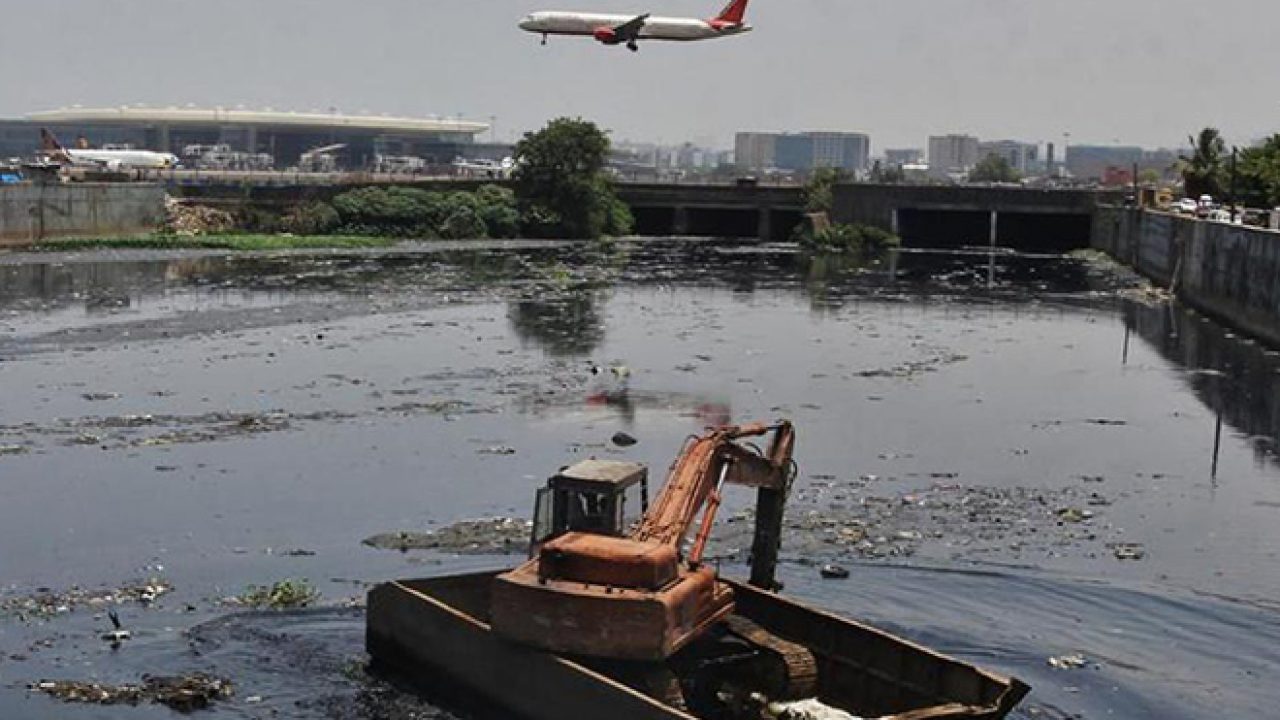
With urbanization on the rise and climate change intensifying, cities around the world are grappling with the challenge of managing stormwater. Traditional methods often involved channelling rainwater directly into rivers and seas, but such strategies can lead to flooding, erosion, and water pollution. Fortunately, innovative stormwater management techniques are emerging, promising a future where cities can better cope with and utilize this natural resource.
Green Roofs: An Aesthetic Solution
Green roofs, or living roofs, are surfaces planted with vegetation, providing a natural sponge for rainwater.
Advantages:
- Absorption: They can absorb up to 70% of rainwater, reducing runoff.
- Temperature Regulation: Green roofs provide insulation, lowering the need for heating or air conditioning.
- Air Quality: The vegetation filters pollutants, enhancing urban air quality.
Rain Gardens: Harnessing Nature's Power
Rain gardens are landscaped features that capture rainwater, often from rooftops or paved areas. They are planted with native species that can tolerate both drought and water-logged conditions.
Advantages:
- Filtration: They naturally filter stormwater, removing up to 90% of nutrients and chemicals.
- Biodiversity: Rain gardens enhance local biodiversity by creating habitats for birds, insects, and other organisms.
Permeable Pavements: Rethinking our Streets
Unlike traditional concrete or asphalt, permeable pavements allow water to pass through them. These surfaces consist of a layered system that facilitates the absorption of rainwater into the ground.
Advantages:
- Reduction in Runoff: They directly reduce stormwater runoff volume, mitigating flood risks.
- Groundwater Recharge: By allowing water to seep into the ground, they help replenish local aquifers.
Bioswales: Nature's Channels
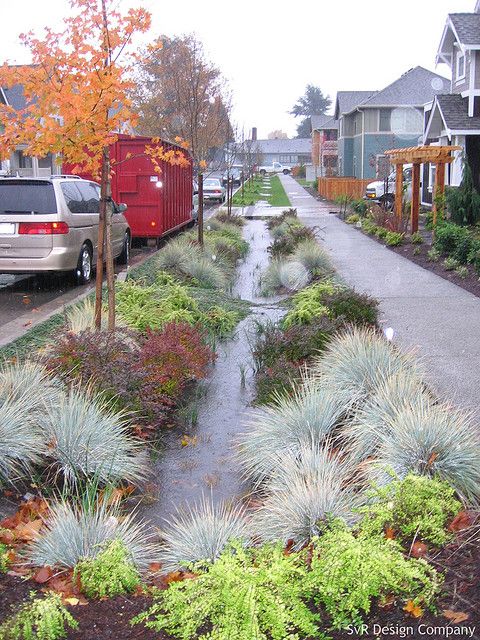
Bioswales are linear, vegetated ditches designed to capture and convey stormwater. Positioned alongside roads or in parking lots, they not only transport water but also filter pollutants.
Advantages:
- Effective Filtration: Their vegetation and soil systems remove sediments and pollutants from runoff.
- Erosion Control: They minimize erosion that traditional concrete channels often exacerbate.
Storage Tanks and Cisterns: Saving for a Rainy Day
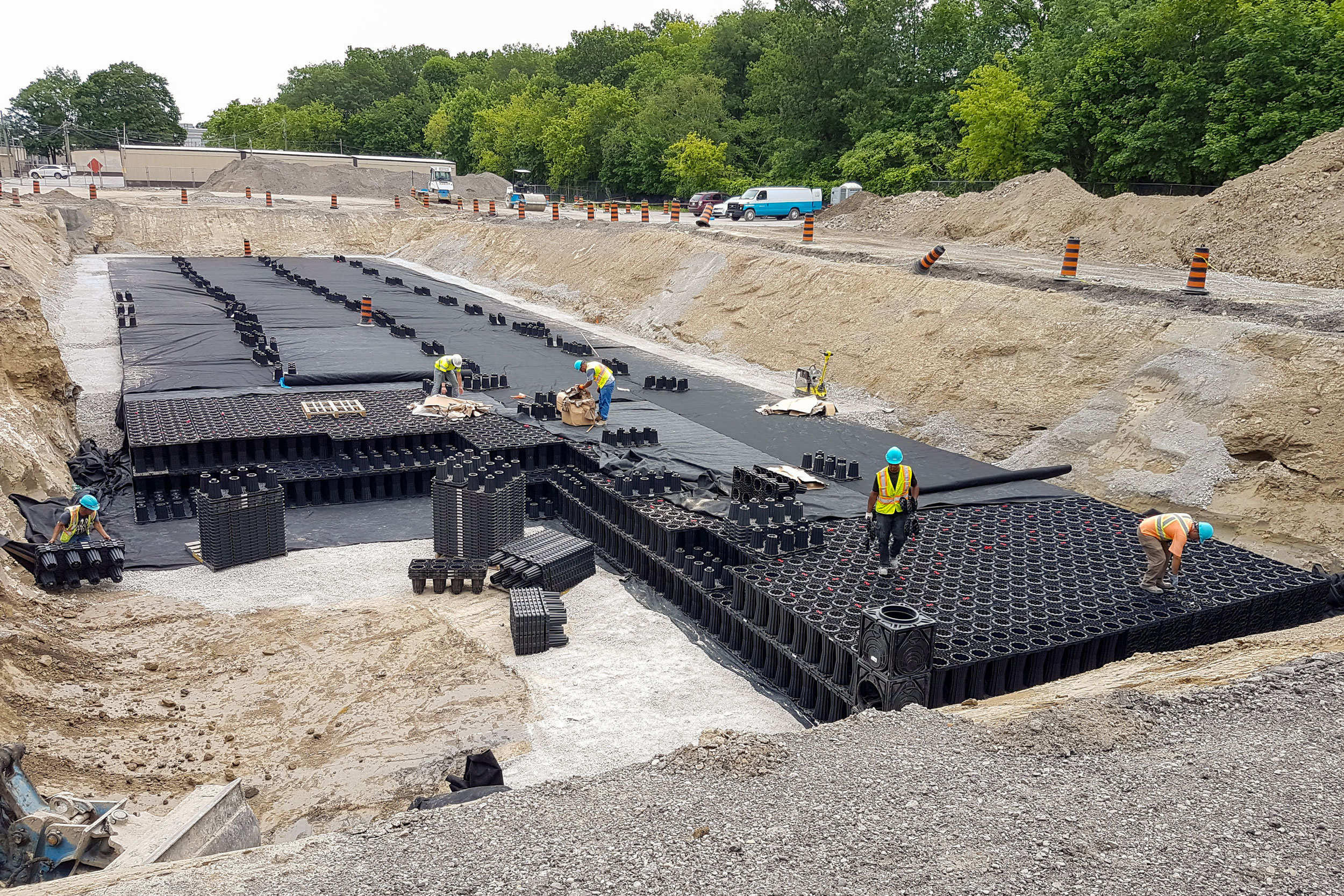
These structures capture and store rainwater, which can later be used for purposes like irrigation, flushing toilets, or even drinking after treatment. By holding back water during heavy downpours, they also reduce the risk of flooding.
Advantages:
- Water Conservation: In arid regions, they provide a supplementary source of water.
- Flood Prevention: By holding excess water, they reduce immediate strain on drainage systems.
Conclusion
As we forge ahead into an unpredictable climate future, rethinking how we manage stormwater becomes imperative. The innovative techniques outlined above not only help in preventing floods but also turn challenges into opportunities - replenishing groundwater, greening urban spaces, and conserving water. Cities that prioritize these strategies stand a better chance of weathering the storms of tomorrow, ensuring their residents not only survive but thrive.