


Renewable Energy Integration in Infrastructure Development: Opportunities and Challenges
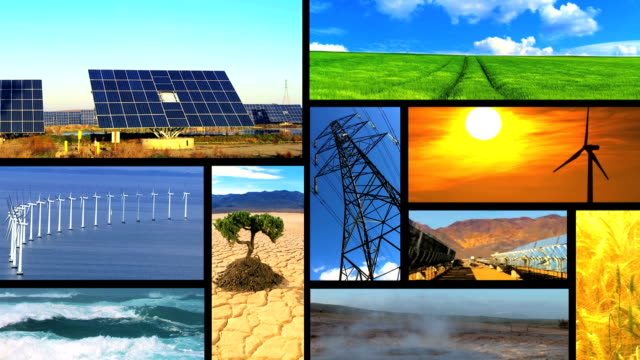
The integration of renewable energy into infrastructure development is no longer a nascent concept but a necessary step towards a sustainable future. As global demand for energy surges, countries are recognizing the pivotal role of renewable sources, like wind, solar, and hydroelectricity. However, the fusion of these energies into infrastructure presents both vast opportunities and significant challenges.
1. Opportunities:
A. Environmental Stewardship:
One of the most undeniable benefits of renewable energy integration is the reduction of greenhouse gas emissions. Fossil fuels, which have been the backbone of energy for decades, are significant contributors to global warming. Transitioning to renewables reduces the carbon footprint of infrastructure projects.
B. Economic Advantages:
Over time, renewable energy sources can prove more cost-effective. As technology advances and scales, the costs of solar panels and wind turbines have decreased, making the initial investment more accessible. Moreover, operational costs are often lower, as the "fuel" (sun, wind, water) is free.
C. Energy Independence:
Relying on renewables can reduce a country's dependency on imported fuels. This not only strengthens the national energy grid but can also provide geopolitical advantages, reducing potential vulnerabilities.
D. Job Creation:
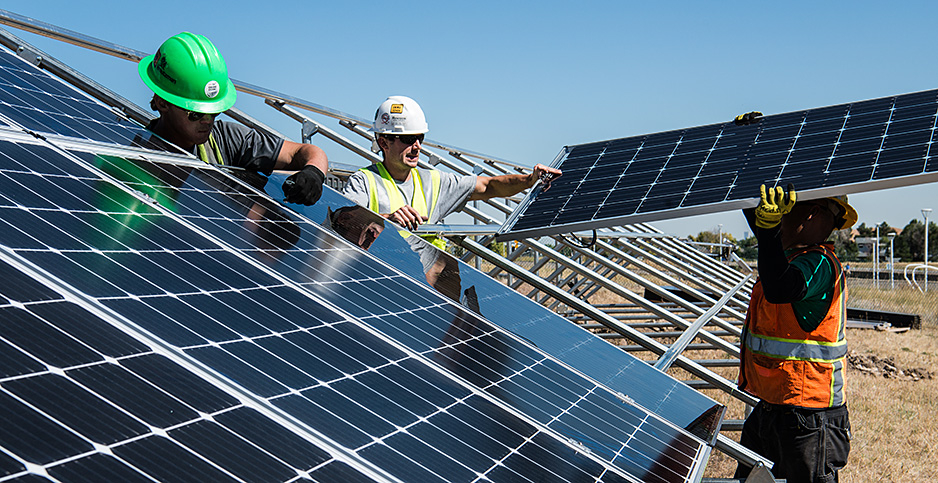
The renewable energy sector is labor-intensive. From research and development to installation and maintenance, the industry has the potential to create numerous jobs, fostering economic growth.
2. Challenges:
A. Intermittency and Reliability:
One of the chief challenges of renewable sources like solar and wind is their intermittency. The sun doesn't always shine, and the wind doesn't always blow. This unpredictable nature can pose challenges to the continuous energy supply essential for most infrastructures.
B. Energy Storage:
Tied closely to the challenge of intermittency is the need for efficient energy storage solutions. Current battery technologies, although improving rapidly, are still costly and can have environmental concerns of their own.
C. Infrastructure Adaptation:
Older infrastructure, especially in cities, was not designed with renewable integration in mind. Retrofitting these systems to accommodate renewables can be a complex, expensive task.
D. Land Use Concerns:
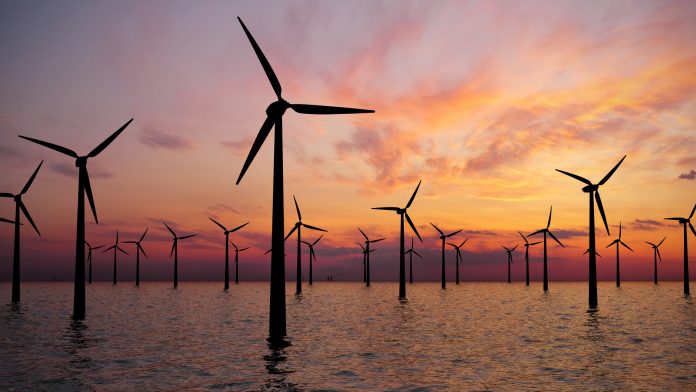
Large-scale renewable projects, especially solar farms or wind turbine installations, require significant land or marine areas. This can lead to habitat disruption or competition with other land uses, such as agriculture.
E. Initial Costs:
Despite the decreasing costs of renewable technologies, the initial investment required can still be higher than continuing to use existing non-renewable technologies.
3. The Road Ahead:
While the challenges are significant, the collective will to overcome them has never been stronger. Innovations, like improved battery storage, microgrids, and smarter energy grids, promise a future where renewable energy can be harnessed to its full potential.
Moreover, policy incentives, public awareness, and education will play a critical role in smoothing the transition. As urban planners, engineers, and policymakers collaborate, the fusion of renewable energy into the infrastructure will pave the way for a more sustainable, brighter future.
Conclusion:
The integration of renewable energy into infrastructure development represents a crossroads for our global society. The path we choose will determine the sustainability and resilience of our cities, economies, and, indeed, our planet. By understanding and acting upon the opportunities and challenges, we can usher in an era of innovation, prosperity, and ecological balance.