


The Digital Shift: How Accounting is Embracing Automation
Accounting, often dubbed as the language of business, has come a long way from its origins of handwritten ledgers and manual calculations. Today, with the dawn of the digital era, this age-old profession is undergoing a seismic shift. Automation and advanced software solutions are transforming the accounting landscape, making tasks more efficient and freeing professionals to focus on strategic analysis and advisory roles.

Understanding the Shift:
Gone are the days when accountants pored over mounds of paperwork, manually inputting data and performing calculations. Modern accounting platforms leverage automation and artificial intelligence to streamline and optimize these processes, reducing human error and saving invaluable time.
Key Areas of Automation in Accounting:
- Bookkeeping and Data Entry: Modern accounting software can automatically import and categorize transactions from bank feeds, drastically reducing the manual data entry work.
- Invoicing and Billing: Automated systems can generate, send, and even follow up on invoices, ensuring timely payments and efficient cash flow management.
- Expense Management: By integrating with digital payment systems and bank accounts, software can track, categorize, and report expenses without manual intervention.
Reconciliation and Reporting:
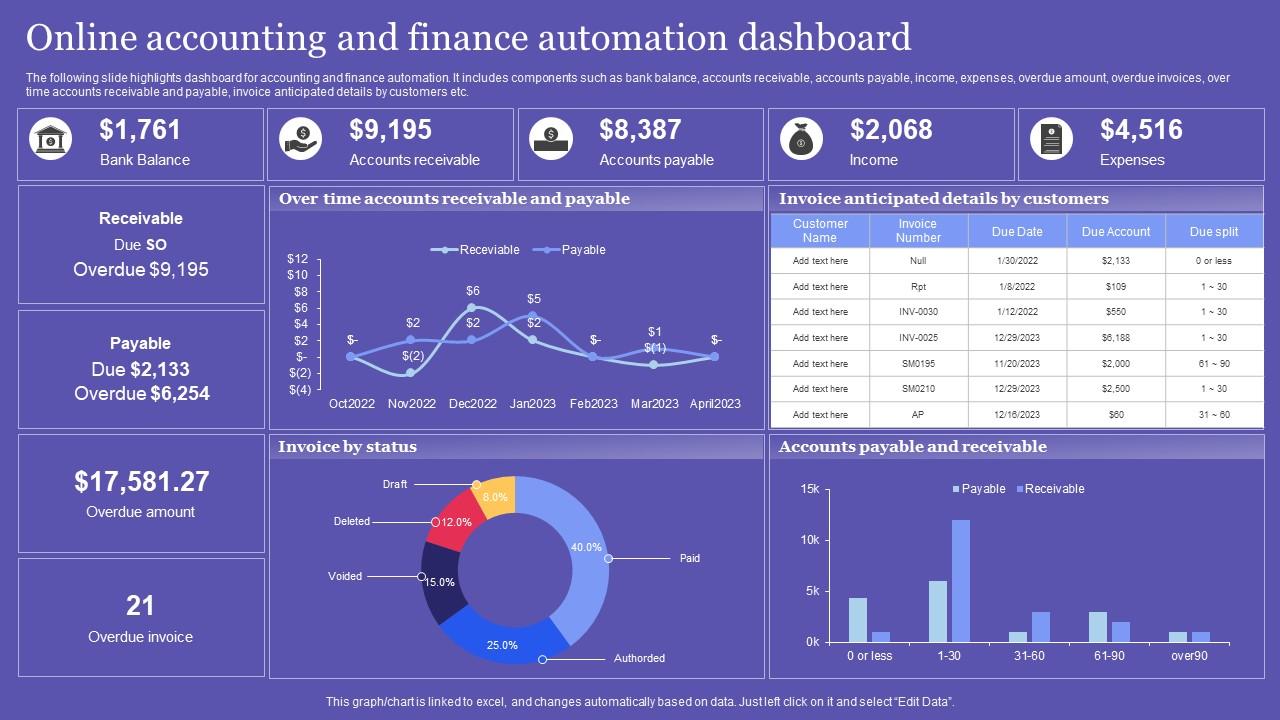
Reconciling accounts and generating financial reports are tasks that traditionally consumed a lot of an accountant's time. Today, software can automatically reconcile accounts daily, and with just a few clicks, generate detailed financial reports, offering real-time insights into a business's financial health.
Audit and Compliance:
Advanced accounting solutions are equipped with features that automatically check for compliance issues, anomalies, or potential fraud, making the auditing process smoother and more efficient.
The Benefits of Embracing Automation in Accounting:
- Efficiency and Accuracy: Automation dramatically reduces the time accountants spend on repetitive tasks, and by eliminating manual processes, the risk of human error drops significantly.
- Cost Savings: While there's an initial investment in software and training, the long-term benefits in terms of time saved and reduced errors result in substantial cost savings.
- Data-backed Decision Making: With real-time data and in-depth financial reports at their fingertips, businesses can make more informed, strategic decisions.
Challenges and Considerations:
While automation is revolutionizing the accounting domain, it's essential to acknowledge the challenges:
- Data Security: With financial data being stored and processed digitally, ensuring robust security measures becomes paramount.
- Transition and Training: Shifting from traditional to automated systems can be challenging. It necessitates proper training and a transitional period to acclimate to the new tools.
- Dependence on Software: A heavy reliance on automated software means any system glitches can halt operations. Regular backups and contingency plans are crucial.
The Future of Accounting in the Age of Automation:
With advancements in AI and machine learning, the scope of automation in accounting will only expand. This shift will see accountants moving from mere number-crunchers to strategic advisors. By automating routine tasks, professionals can focus on interpreting data, providing business insights, and adding greater value to clients.
Conclusion:
The digital transformation of accounting, driven by automation, is an exciting journey from ledgers to algorithms. It’s a testament to the profession's adaptability and resilience. For businesses and accountants willing to embrace this shift, the future promises efficiency, accuracy, and a redefined role in the world of finance.