


Tidal Energy Infrastructure: Harnessing the Power of the Oceans
With the growing emphasis on renewable energy sources, tidal energy has emerged as a promising alternative, especially for coastal cities. This form of energy harnesses the natural ebb and flow of ocean tides to generate power, offering a reliable and sustainable solution to energy needs. Exploring the engineering challenges and potential of tidal energy is crucial for its integration as a major renewable resource.
Understanding Tidal Energy
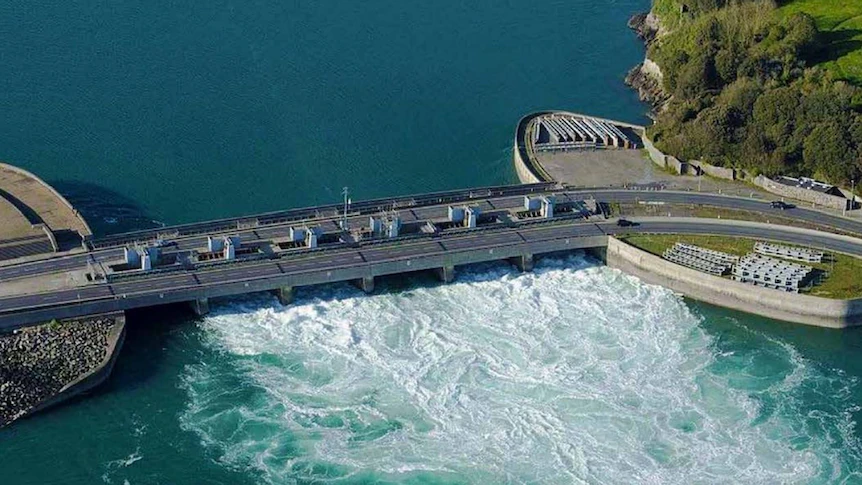
Tidal energy is generated from the movement of water caused by the gravitational pull of the moon and sun. It is predictable and consistent, unlike some other renewable sources, making it an attractive option for energy generation. The two main methods of harnessing tidal energy are through tidal streams and tidal barrages.
Harnessing Tidal Energy: Methods and Mechanisms
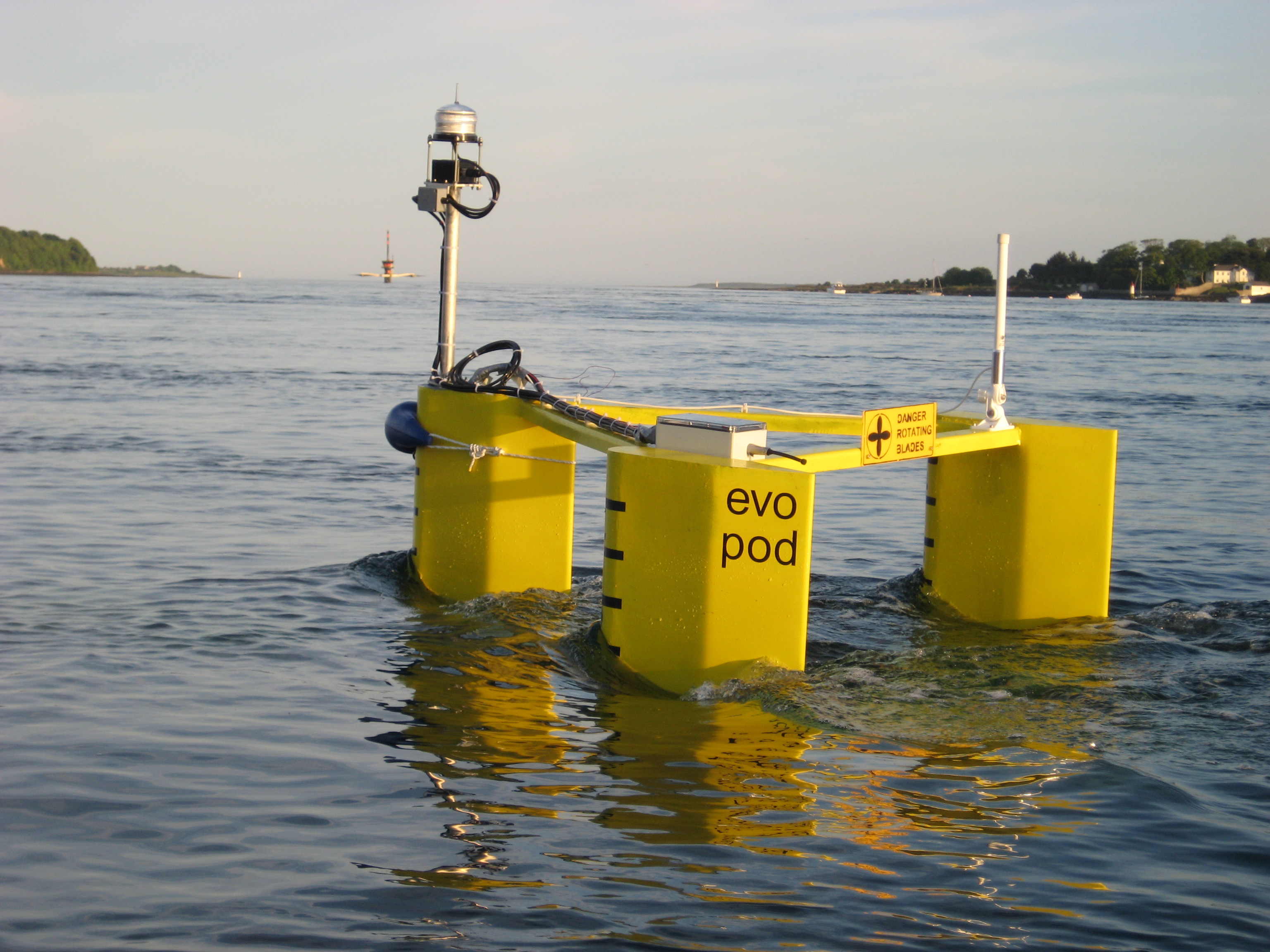
- Tidal Stream Generators: These work similar to underwater wind turbines, capturing energy from the movement of water in tidal streams.
- Tidal Barrages: Barrages are large dams built across tidal rivers or estuaries. They store water at high tide and release it through turbines during low tide to generate electricity.
- Dynamic Tidal Power (DTP): This innovative method involves creating an energy-generating barrage perpendicular to the coast, capitalizing on the interaction between potential and kinetic energy in tidal flows.
The Potential of Tidal Energy
- Predictability and Reliability: Tides are highly predictable, allowing for accurate predictions of power generation, unlike solar and wind energy.
- Sustainability: Tidal energy is a clean, renewable source that does not produce greenhouse gases or other pollutants.
- Efficiency: Water is denser than air, so tidal turbines can generate significant amounts of power, even at low speeds.
- Longevity: Tidal energy systems have a long operational life, often lasting several decades.
Challenges in Tidal Energy Development
Despite its potential, tidal energy faces several challenges:
- High Initial Costs: The construction of tidal power plants, especially barrages, can be very expensive.
- Environmental Impact: Tidal barrages can impact local ecosystems, affecting marine life and sediment patterns.
- Maintenance and Durability: The marine environment can be harsh, with saltwater and strong currents posing challenges for maintenance and durability.
- Location Limitations: Tidal energy is only feasible in locations with significant tidal ranges, limiting its applicability.
Global Examples of Tidal Energy Infrastructure
Several countries are pioneering in the field of tidal energy:
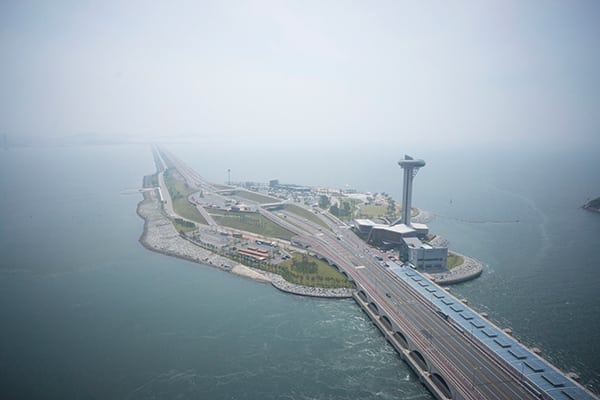
- The Sihwa Lake Tidal Power Station in South Korea: The world's largest tidal power installation, using a barrage to generate electricity.
- The MeyGen Project in Scotland: One of the largest tidal stream projects, which aims to harness the tidal power of the Pentland Firth.
- La Rance Tidal Power Station in France: One of the oldest and most successful tidal barrages, operational since 1966.
The Future of Tidal Energy in Coastal Cities
The future of tidal energy, particularly in coastal cities, is promising. Advancements in technology and materials, along with increased focus on sustainable energy solutions, are likely to overcome many of the current challenges. The integration of tidal energy into the renewable energy mix of coastal cities can significantly contribute to their energy independence and reduction of carbon footprints.
Conclusion
Tidal energy represents a significant step forward in the quest for renewable energy sources. While there are challenges to be addressed, the potential benefits in terms of reliability, sustainability, and long-term energy generation make it an important part of the future energy landscape. For coastal cities, tidal energy is not just a resource; it's an opportunity to harness the power of nature in harmony with technological advancement, paving the way towards a more sustainable and energy-secure future.