
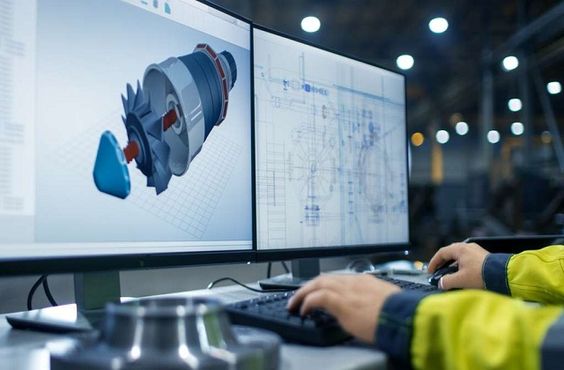
The dawn of 3D printing, or additive manufacturing, has taken multiple industries by storm, from healthcare to automotive. Yet, one sector witnessing an explosive transformation due to this innovation is construction. 3D printing in infrastructure presents an avenue for faster, more cost-effective, and greener construction processes. It is reshaping the way architects, engineers, and builders conceive and construct edifices.
The dawn of 3D printing, or additive manufacturing, has taken multiple industries by storm, from healthcare to automotive. Yet, one sector witnessing an explosive transformation due to this innovation is construction. 3D printing in infrastructure presents an avenue for faster, more cost-effective, and greener construction processes. It is reshaping the way architects, engineers, and builders conceive and construct edifices.
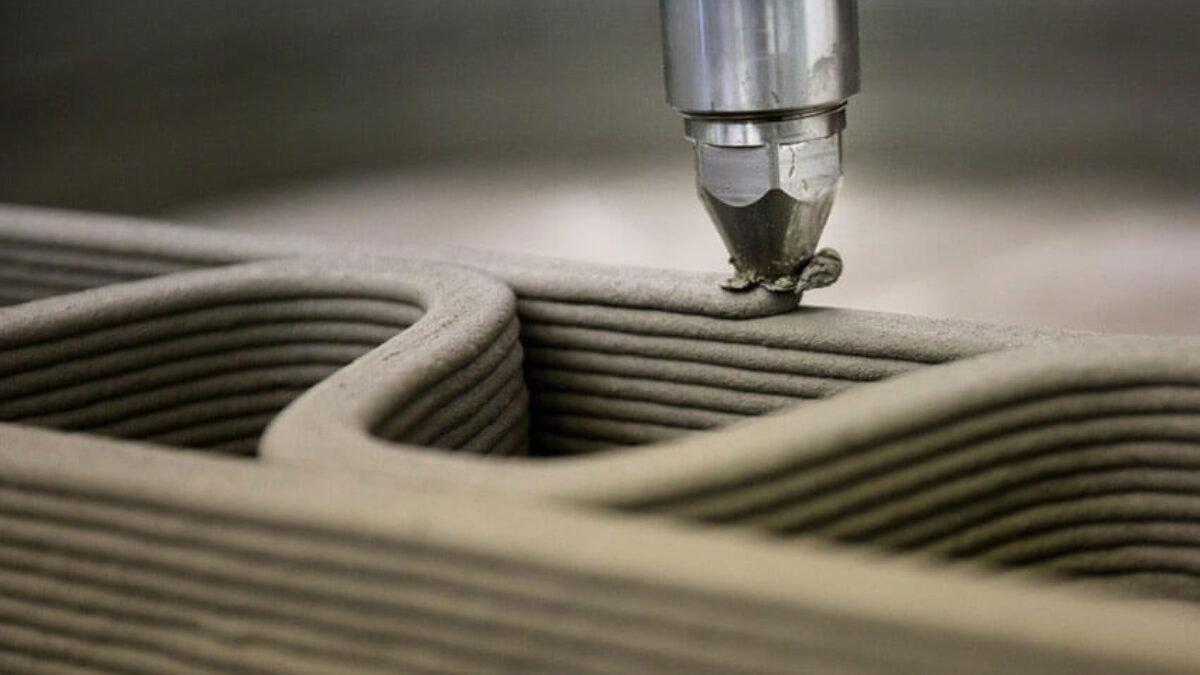
The Mechanics of 3D Printing in Construction
Before delving into the advantages, let’s unpack how 3D printing functions in the realm of construction. In essence, a 3D printer, equipped to handle construction materials like concrete or polymers, methodically layers the material based on digital designs until the structure takes shape. Large printers can even produce walls or entire sections of buildings, which are later assembled on-site.
Advantages of 3D Printing in Infrastructure
1. Speed and Efficiency:
One of the primary benefits is the acceleration of the construction process. Traditional techniques, which can take weeks or months to realise a structure, can be vastly outpaced by 3D printing. For instance, certain 3D-printed homes can be constructed within 24 hours.
2. Cost Reduction:
By automating large chunks of the building process, labor costs are significantly reduced. Furthermore, 3D printing curtails waste by using precise quantities of materials, leading to further savings.
3. Design Flexibility:
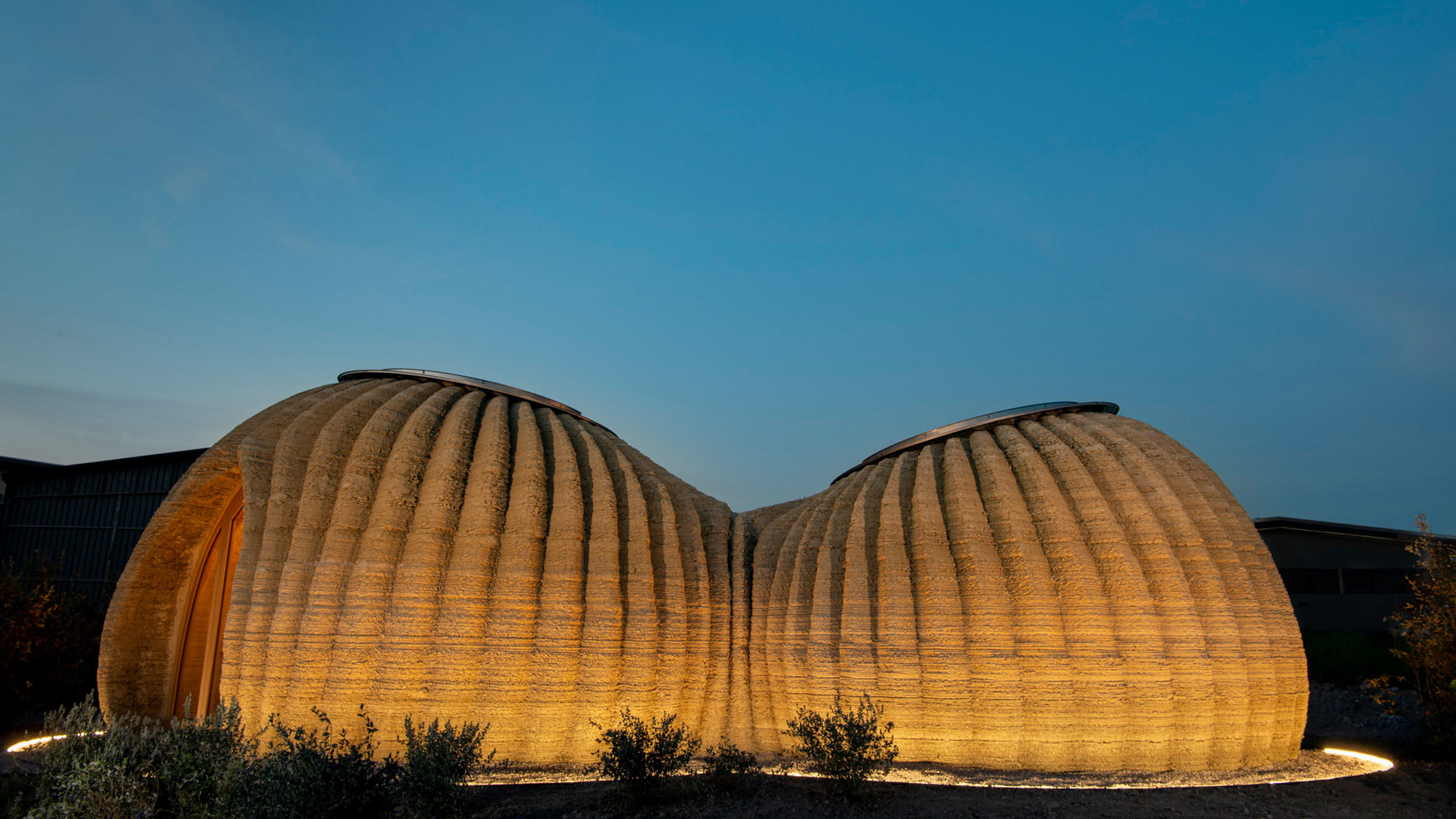
3D printing isn't constrained by conventional construction paradigms. This freedom facilitates the creation of intricate designs, curved walls, and bespoke structures that would be labor-intensive and expensive using traditional methods.
4. Sustainability:
A green advantage! The precise nature of 3D printing means less material waste. Additionally, certain printers utilise recycled materials or local raw materials, reducing the carbon footprint associated with transporting materials.
5. Disaster Relief and Remote Construction:
3D printing can be a boon in disaster-struck areas. With rapid construction capabilities, it can provide quick shelter solutions. Moreover, transporting a 3D printer to remote areas can be more feasible than hauling construction materials and crews.
Challenges and Considerations
While 3D printing in infrastructure boasts numerous advantages, it's not without challenges:
Regulations and Standards: Many countries lack building regulations that encompass 3D printed structures, making it a murky territory for permissions and safety standards.
Job Displacement: As the technology automates many construction tasks, there's a looming concern about job reductions in the sector.
Material Limitations: Currently, the range of materials suitable for 3D printing is limited, though research is ongoing to diversify this palette.
[Insert Picture 3 here]
Prompt for Google Search: "3D printer for construction in action."
Looking Ahead: A Constructive Future
The potential of 3D printing in infrastructure is vast. From building affordable housing to pioneering novel architectural designs, its applications are diverse. As technology progresses and integrates robotics and advanced materials, one can envision a future where buildings might be printed on-demand, tailored to individual preferences.
Collaborations between tech companies, architects, and governments are crucial to address the challenges and standardise 3D printed construction. Through these combined efforts, 3D printing could democratise and revolutionise infrastructure development, embodying the pinnacle of efficiency and sustainability.