
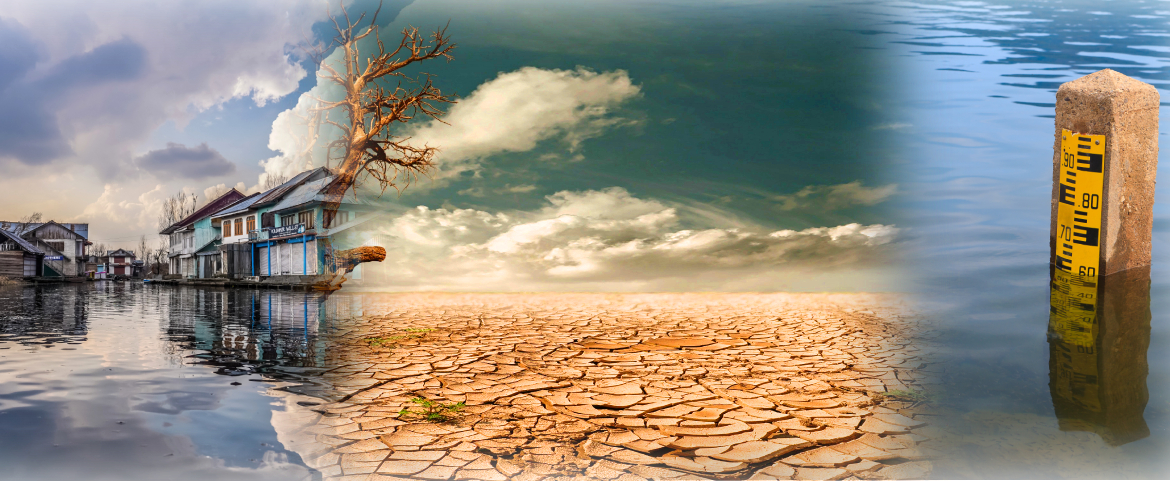
Climate change presents an array of unprecedented challenges for our built environment. Rising sea levels, more frequent extreme weather events, and changing precipitation patterns demand a paradigm shift in how we design and construct infrastructure. Civil engineers are at the forefront of this transformation, developing adaptive and resilient solutions to ensure our communities remain safe and functional, even in the face of these challenges.
Climate change presents an array of unprecedented challenges for our built environment. Rising sea levels, more frequent extreme weather events, and changing precipitation patterns demand a paradigm shift in how we design and construct infrastructure. Civil engineers are at the forefront of this transformation, developing adaptive and resilient solutions to ensure our communities remain safe and functional, even in the face of these challenges.
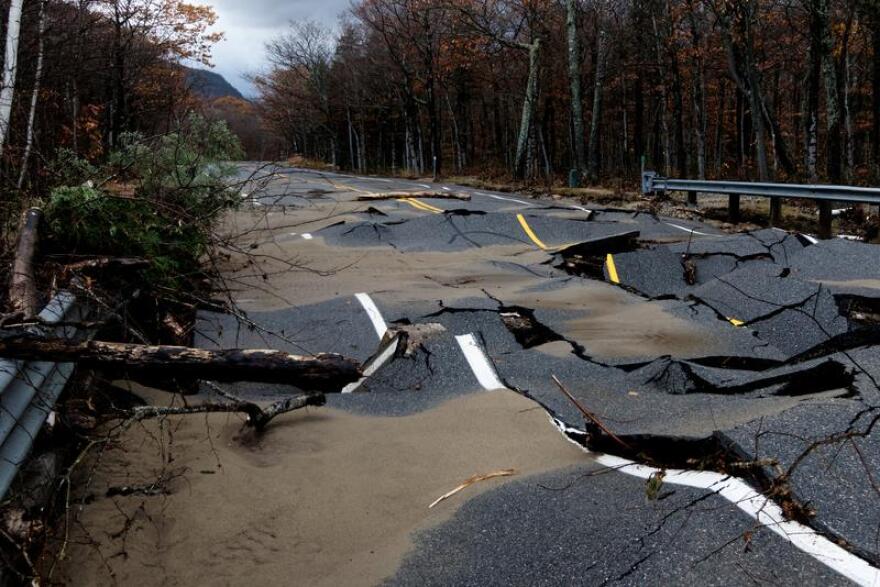
1. The Call for Adaptation:
As the reality of climate change becomes ever more evident, so does the need for infrastructure that can adapt. Adaptation refers to adjustments in processes, practices, and infrastructure to mitigate potential damage or harness beneficial opportunities associated with climate change.
A. Designing for Rising Sea Levels:
In coastal regions, rising sea levels pose a significant threat. Civil engineers are exploring the creation of adaptive coastal defenses, like movable sea walls, or building on stilts to minimise flood risks.
B. Changing Precipitation Patterns:
With altered rain patterns come the potential for both droughts and floods. Adaptive solutions include designing larger stormwater management systems or constructing underground cisterns to harvest and store rainwater during wet periods.
2. Building Resilience:
Resilience goes beyond just adapting; it involves creating infrastructure that can resist climate-related disruptions, maintain functionality, and recover quickly after adverse events.
A. Material Innovations:
The materials used in construction play a pivotal role in ensuring resilience. Researchers are looking into more durable materials that can withstand extreme conditions, from high winds to corrosive saltwater inundation.
B. Green Infrastructure:
Nature-based solutions, like green roofs, permeable pavements, and urban forests, act as buffers against extreme weather events, absorb excess stormwater, and reduce the urban heat island effect.
C. Redundancy and Modular Design:
By designing infrastructure with redundancy – meaning there are backup systems or pathways – we ensure that if one part fails, another can take its place. Modular designs allow for easy replacements or upgrades, further enhancing resilience.
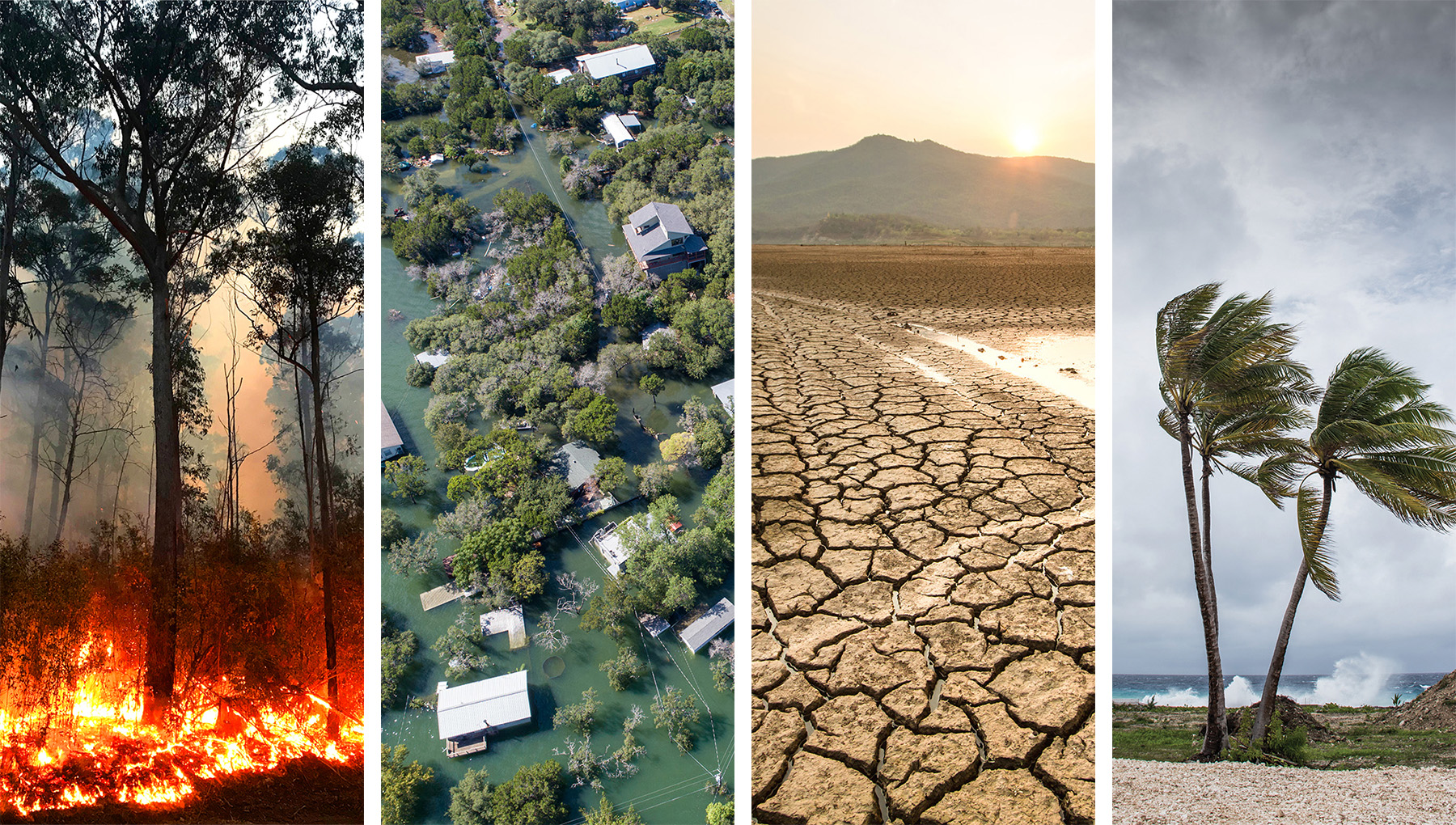
(Insert Picture 3 here. Search Prompt: "Resilient infrastructure design.")
3. The Synergy of Adaptation and Resilience:
While adaptation focuses on adjustments to current and expected changes, resilience emphasises robustness and recovery from unexpected shocks. Together, they offer a comprehensive approach to climate-responsive civil engineering. By combining both strategies, we ensure that our communities not only survive but thrive amid the challenges of a changing climate.
4. Collaborative Approaches:
Successfully addressing climate change's challenges requires collaboration. Civil engineers, urban planners, environmental scientists, and community stakeholders must work together to create holistic solutions. Through combined efforts, we can harness a wider pool of knowledge, resources, and innovative strategies.
Conclusion:
The changing climate demands a proactive and innovative approach to civil engineering. By focusing on both adaptation and resilience, we can ensure that our infrastructure serves us well, both now and in the future, regardless of the environmental challenges we face. As stewards of the built environment, civil engineers play a crucial role in paving the way for a safer, more sustainable future.