
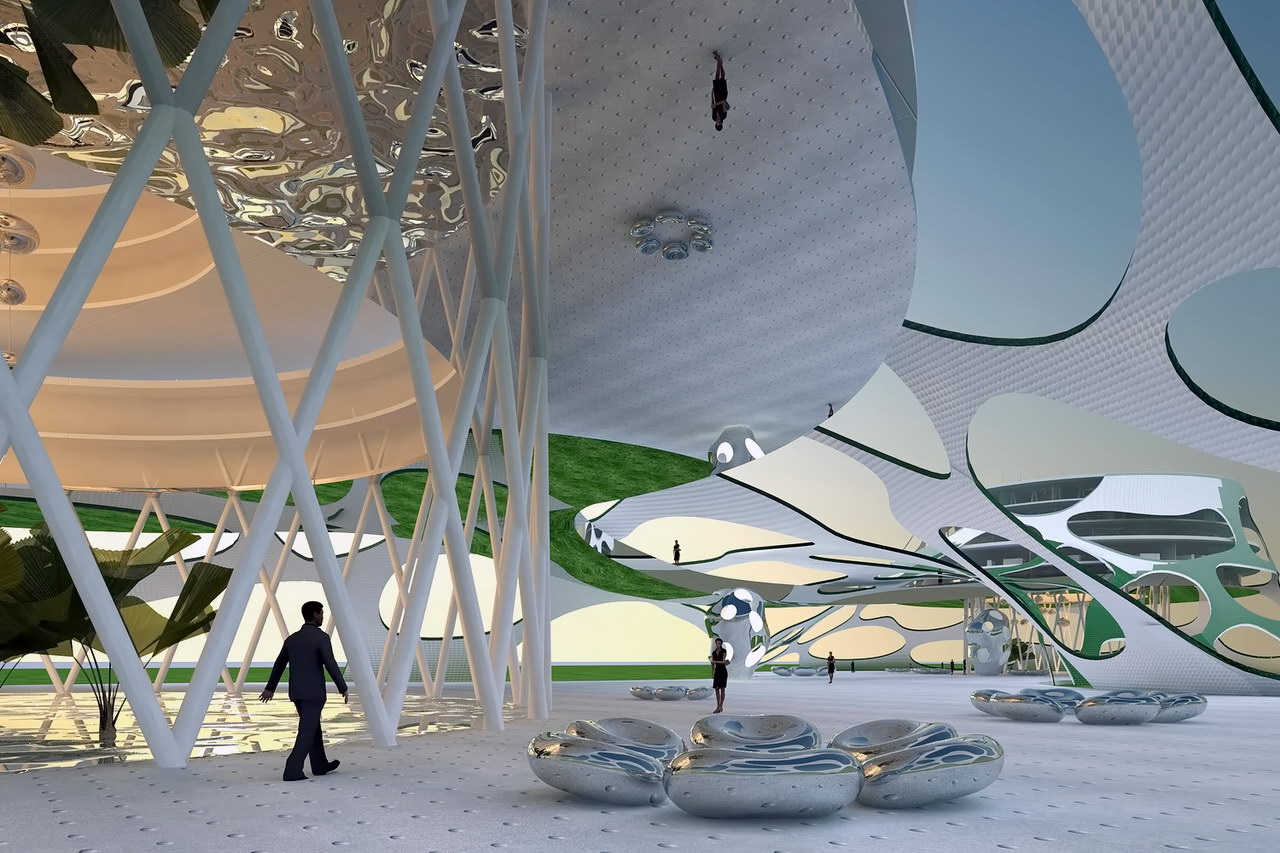
Nature has been engineering solutions to complex problems for millions of years. From the streamlined shapes of birds that inspire aircraft design to the sturdy structure of honeycombs influencing modern architecture, nature's designs offer invaluable lessons. Biomimicry, the act of imitating nature's designs and processes to solve human challenges, has emerged as a groundbreaking approach in modern engineering. Let's delve into the intricacies of biomimicry and how it's shaping the future of engineering.
Nature has been engineering solutions to complex problems for millions of years. From the streamlined shapes of birds that inspire aircraft design to the sturdy structure of honeycombs influencing modern architecture, nature's designs offer invaluable lessons. Biomimicry, the act of imitating nature's designs and processes to solve human challenges, has emerged as a groundbreaking approach in modern engineering. Let's delve into the intricacies of biomimicry and how it's shaping the future of engineering.
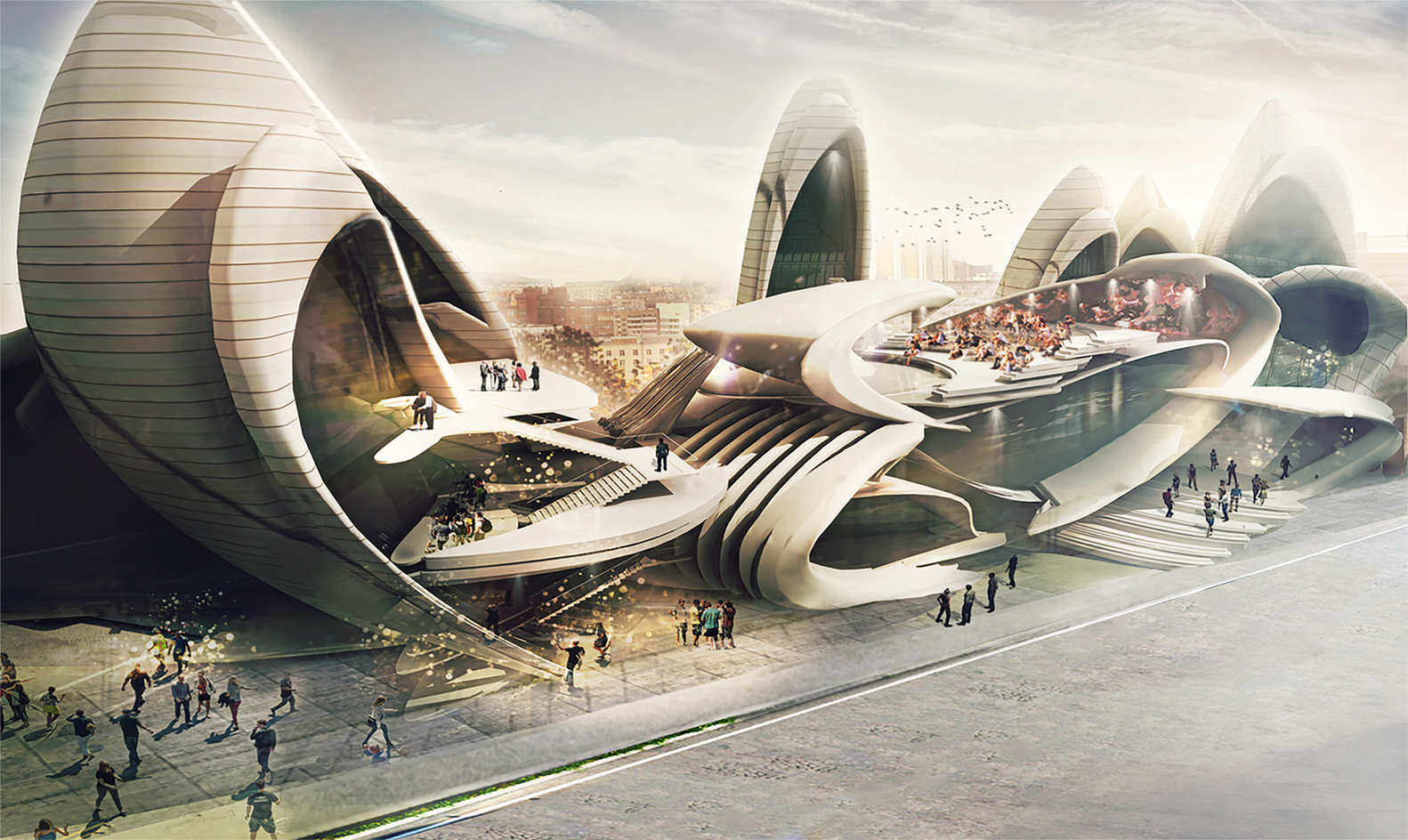
What is Biomimicry?
Biomimicry stems from two Greek words: 'bios' meaning life and 'mimesis' meaning to imitate. In essence, it's about emulating nature's strategies and patterns to create sustainable solutions. The practice is founded on the belief that nature, with billions of years of trial and error, holds the answers to many of our modern challenges.
Applications of Biomimicry in Engineering:
Aerodynamics: The streamlined shapes of birds and fish have influenced vehicle and aircraft designs. The nose design of Japan's Shinkansen bullet train, inspired by the kingfisher's beak, reduces sonic booms in tunnels.
Structural Design: Honeycombs' hexagonal structure provides strength with minimal material. This design is often replicated in architecture and materials science for its efficient and robust characteristics.
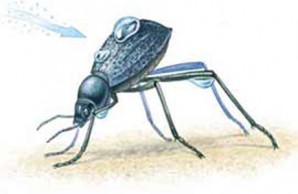
Water Harvesting: The Namib Desert beetle collects water droplets on its back from morning fogs. This mechanism has inspired innovative water collection systems in arid regions.
The Value Proposition of Biomimicry in Engineering:
Sustainability: Nature's designs are inherently sustainable. Emulating these designs can lead to eco-friendly solutions, reducing our carbon footprint.
Innovation: Nature offers a vast library of designs, structures, and mechanisms. Engineers can draw inspiration, leading to unique and groundbreaking solutions.
Efficiency: Natural designs have been refined over millions of years, making them highly efficient. By imitating these designs, engineers can achieve optimal performance with reduced costs.
Challenges and Considerations in Biomimicry:
While biomimicry offers numerous advantages, it's not without challenges:
Complexity: Nature's designs can be complex. Replicating them in human-made systems might require advanced materials and technologies.
Ethical Concerns: The line between drawing inspiration and outright copying can sometimes blur. Ethical considerations arise about the ownership of designs and the potential for over-exploitation.
Scalability: While a design might work perfectly in nature, scaling it for human needs can present challenges, especially if it compromises the design's integrity.
The Future of Biomimicry in Engineering:
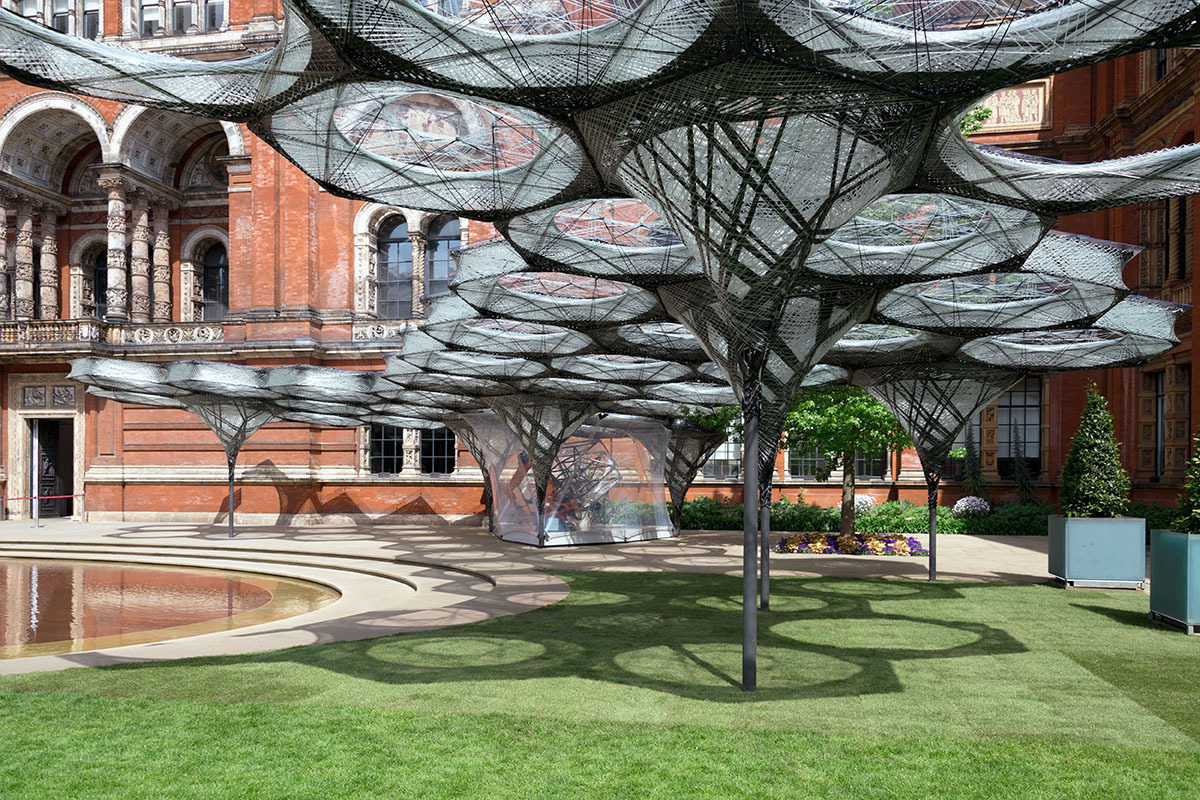
As engineers grapple with challenges like climate change, resource depletion, and urbanisation, biomimicry offers a beacon of hope. Some potential future directions include:
Material Science: Taking cues from nature for self-healing materials or those that change properties in response to environmental conditions.
Renewable Energy: Studying photosynthesis for efficient solar energy conversion or mimicking wind patterns observed in schools of fish to optimise wind turbine placements.
Robotics: Designing robots based on the movement of animals can lead to more efficient and adaptive machines.
Conclusion:
Biomimicry in engineering is more than just emulating nature; it's about understanding the underlying principles that govern natural designs. By respecting and learning from nature, modern engineering can pave the way for sustainable, efficient, and innovative solutions, ensuring a harmonious coexistence with our environment.