

Inclusive urban design is about creating spaces that cater to all demographics, irrespective of age, ability, or socioeconomic status. It's a principle that underpins the equitable development of urban spaces, ensuring they are accessible, safe, and enjoyable for everyone. As cities continue to grow and diversify, the importance of inclusive design in urban planning becomes increasingly vital.
Inclusive urban design is about creating spaces that cater to all demographics, irrespective of age, ability, or socioeconomic status. It's a principle that underpins the equitable development of urban spaces, ensuring they are accessible, safe, and enjoyable for everyone. As cities continue to grow and diversify, the importance of inclusive design in urban planning becomes increasingly vital.
The Essence of Inclusive Urban Design
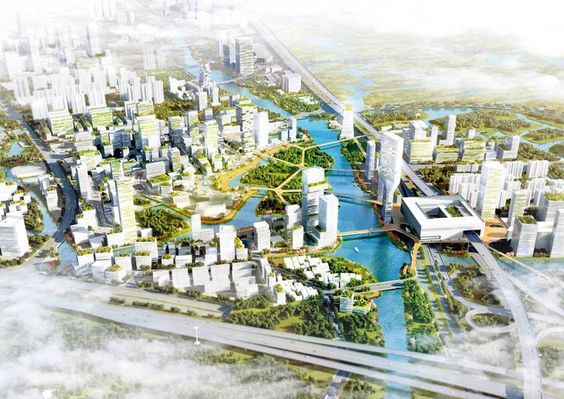
Inclusive design in urban planning involves creating environments that are welcoming and functional for all. This includes wide, well-lit pedestrian pathways, wheelchair-accessible buildings, public spaces that cater to various age groups, and amenities that consider diverse cultural backgrounds.
Key Aspects of Inclusive Urban Design
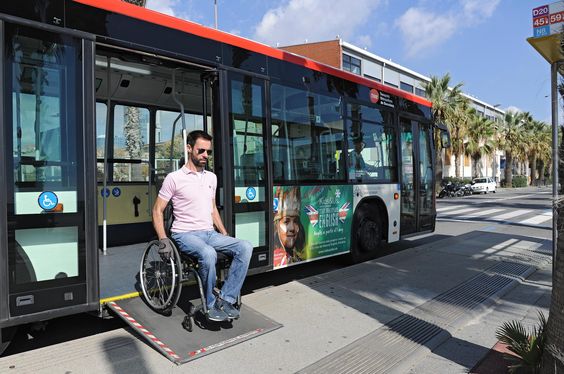
Accessibility: Ensuring that people with disabilities can access and use urban spaces comfortably is fundamental. This means installing ramps, tactile paving for the visually impaired, and auditory signals at crossings.
Age-Friendly Spaces: Designing public areas that cater to all ages, including safe play areas for children and restful spaces for the elderly.
Cultural Inclusivity: Public spaces should reflect the diverse cultural fabric of the city, including art, design, and facilities that respect and celebrate different cultural practices.
Safe and Secure Environments: Good lighting, visible signage, and easily navigable streets contribute to the safety and security of all urban dwellers.
Affordable and Accessible Transportation: A city's transport system should be affordable and easily accessible, with provisions for people with disabilities and the elderly.
Challenges in Implementing Inclusive Urban Design
Incorporating inclusivity into urban design is not without its challenges:
Balancing Diverse Needs: Understanding and balancing the varied needs of a diverse population can be complex.
Funding and Resources: Allocating sufficient resources and funding to implement inclusive design features can be challenging for city planners.
Policy and Regulation: Developing and enforcing policies that mandate inclusive design is crucial, but it can be a slow and complicated process.
Successful Examples of Inclusive Urban Design
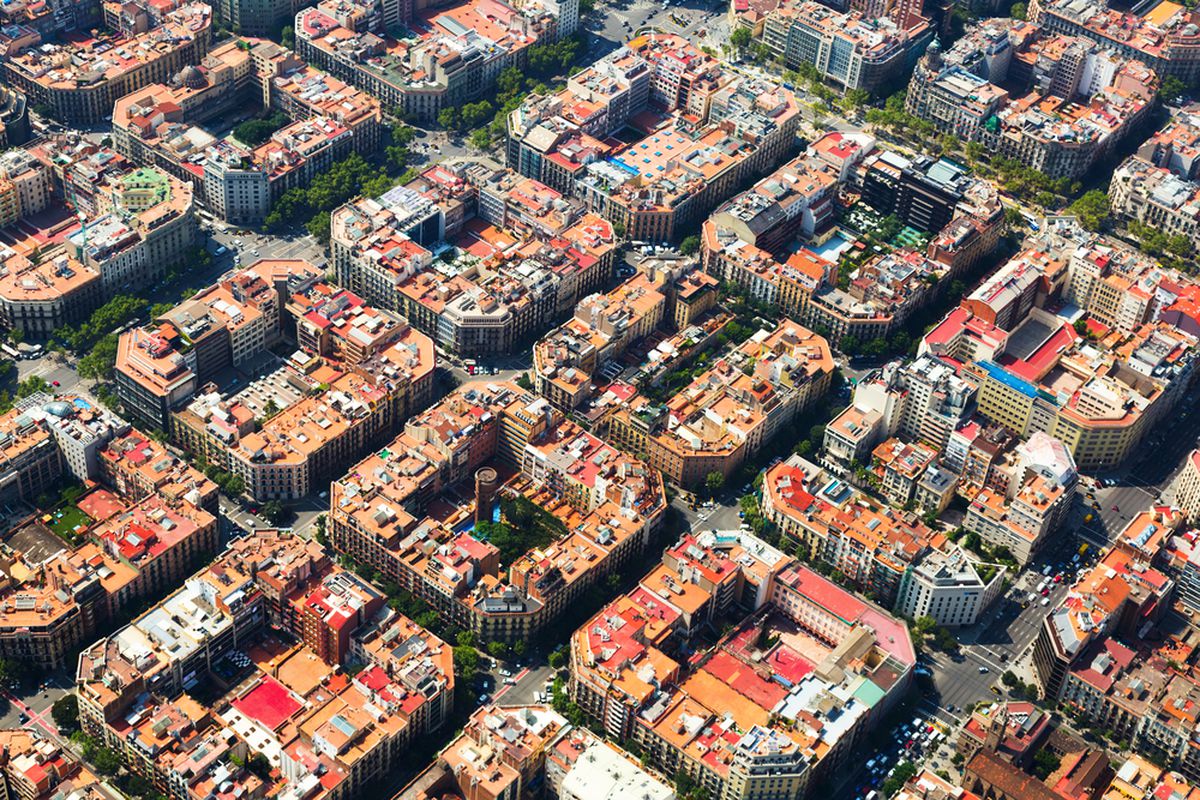
Barcelona's Superblocks: This project reclaims city streets from cars to create more inclusive and accessible spaces for pedestrians, cyclists, and community activities.
Singapore's Universal Design Approach: Singapore has embraced universal design in its urban planning, focusing on creating an inclusive environment for all residents.
The Future of Inclusive Urban Design
As we look to the future, the principles of inclusive design will become increasingly integrated into urban planning processes. Innovations in technology, like AI and VR, can help city planners visualise and implement more inclusive designs. Moreover, community involvement and feedback will play a crucial role in shaping inclusive cities.
Conclusion
Inclusive urban design is not just a moral imperative; it's a practical necessity for creating sustainable, livable, and harmonious urban environments. By prioritising inclusivity, cities can ensure that they are not just spaces for living but thriving, for all their residents. The future of urban planning hinges on its ability to embrace diversity and inclusivity, making cities welcoming for everyone who calls them home.