

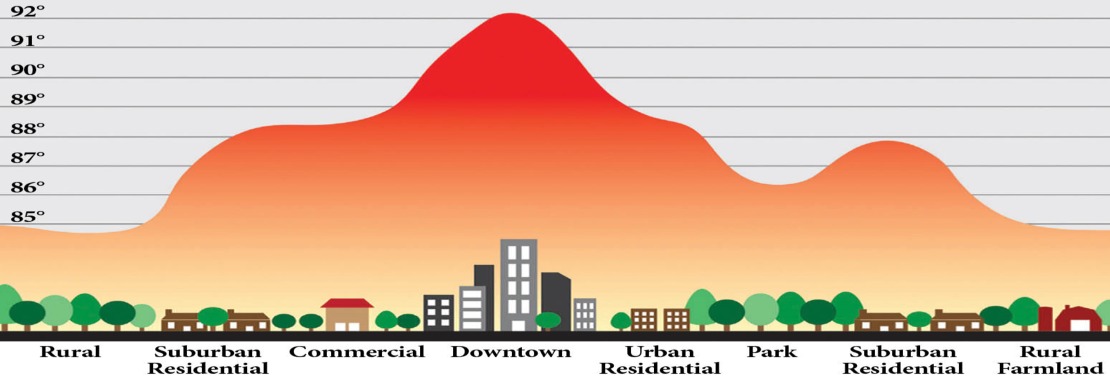
The urban heat island (UHI) effect, where city temperatures are significantly higher than surrounding rural areas, is a growing concern in many large cities worldwide. This phenomenon not only impacts the comfort and health of city dwellers but also contributes to higher energy consumption and exacerbates air pollution. Civil engineering plays a crucial role in mitigating the UHI effect through innovative design strategies and materials.
The urban heat island (UHI) effect, where city temperatures are significantly higher than surrounding rural areas, is a growing concern in many large cities worldwide. This phenomenon not only impacts the comfort and health of city dwellers but also contributes to higher energy consumption and exacerbates air pollution. Civil engineering plays a crucial role in mitigating the UHI effect through innovative design strategies and materials.
Understanding the Urban Heat Island Effect
The UHI effect is primarily caused by the modification of land surfaces in cities and the concentration of buildings and infrastructure that absorb and re-emit the sun’s heat more than natural landscapes. Factors contributing to UHI include dark-coloured pavement, lack of vegetation, and heat generated by vehicles and industrial activities.
Civil Engineering Strategies for UHI Mitigation
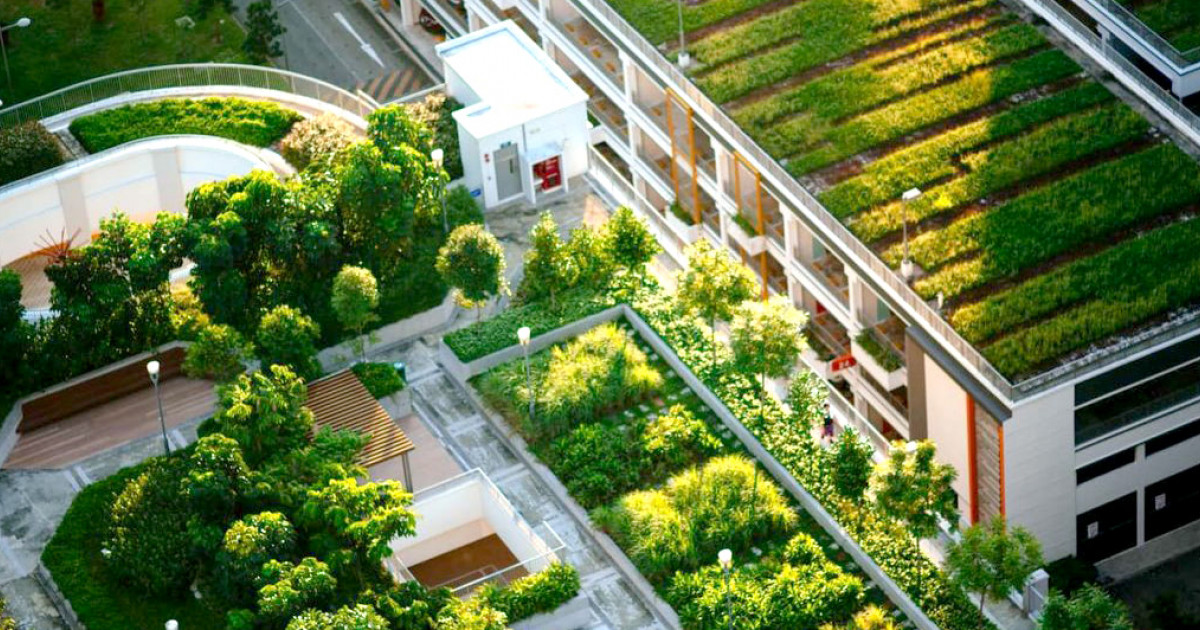
Green Roofs and Vertical Gardens: Implementing green roofs and vertical gardens on buildings can significantly reduce surface temperatures. Plants on roofs and walls act as natural insulators, absorbing sunlight and cooling the air.
Reflective and Cool Roofing Materials: Using materials with high solar reflectance for roofs and pavements can reflect more sunlight and absorb less heat, thereby reducing the UHI effect.
Enhanced Urban Greenery: Increasing green spaces in urban areas, such as parks, gardens, and tree-lined streets, can lower surface and air temperatures.
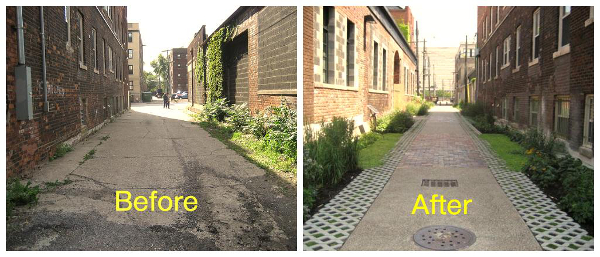
Permeable Pavements: Permeable pavements allow water to infiltrate and help in cooling the surrounding areas, unlike traditional concrete and asphalt.
Smart Urban Planning: Thoughtful city planning that incorporates open spaces, water bodies, and strategically positioned green areas can significantly reduce heat accumulation.
Challenges and Considerations in UHI Mitigation
Mitigating the UHI effect involves certain challenges:
Cost and Maintenance: Implementing green infrastructure and reflective materials can be costlier than traditional methods, and green spaces require regular maintenance.
Stakeholder Engagement: Successful UHI mitigation requires collaboration between various stakeholders, including city planners, builders, and residents.
Balancing Density with Greenery: In densely populated cities, finding space for greenery and open areas can be challenging.
Successful Examples of UHI Mitigation
Cities around the world have implemented strategies to combat the UHI effect:
Singapore’s Garden City Approach: Singapore has integrated extensive greenery into its urban landscape, including green roofs and vertical gardens, to mitigate UHI.
New York City’s CoolRoofs Program: This initiative encourages the coating of rooftops with a white, reflective surface to reduce building cooling costs and lower city temperatures.
Chicago’s Green Alley Program: This program has transformed alleys with permeable pavements and reflective materials to reduce heat absorption.
The Future of UHI Mitigation in Urban Development
Looking ahead, UHI mitigation will become an integral part of urban development. Innovations in materials science, sustainable urban design, and community engagement are likely to drive more effective strategies. The use of technology in monitoring and managing urban microclimates will also play a key role.
Conclusion
Mitigating the urban heat island effect is critical for creating sustainable and livable cities. Civil engineering, with its focus on design and materials, stands at the forefront of this challenge. By adopting and advancing strategies that enhance natural cooling and reduce heat absorption, civil engineers can significantly contribute to reducing UHI, ultimately leading to healthier, more comfortable, and energy-efficient urban environments.