
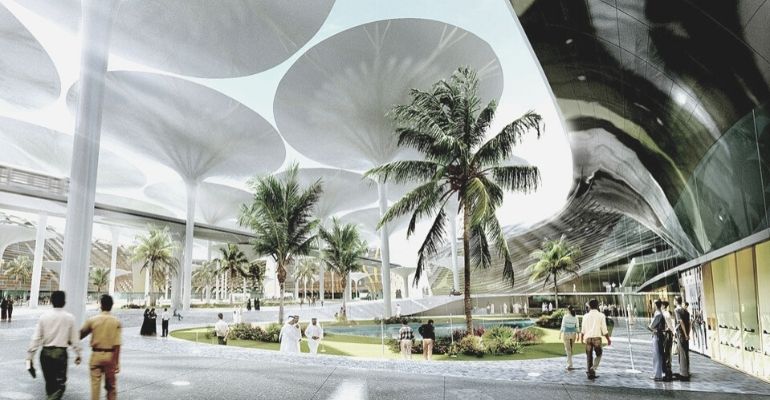
In the era of rapid urbanisation and environmental awareness, the concept of eco-cities has gained momentum. These are cities designed with sustainability at their core, aiming to reduce carbon footprints, promote green living, and harmonise urban development with nature. Civil engineering plays a pivotal role in this movement, bridging the gap between innovative urban planning and environmental stewardship.
In the era of rapid urbanisation and environmental awareness, the concept of eco-cities has gained momentum. These are cities designed with sustainability at their core, aiming to reduce carbon footprints, promote green living, and harmonise urban development with nature. Civil engineering plays a pivotal role in this movement, bridging the gap between innovative urban planning and environmental stewardship.
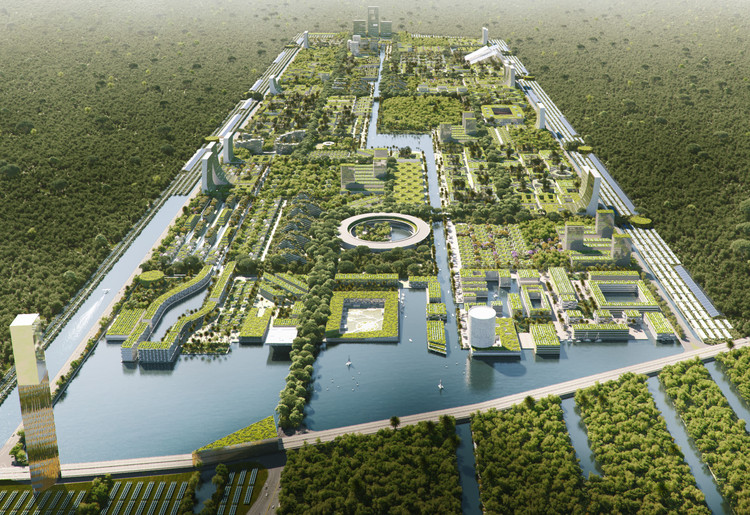
The Vision of Eco-Cities
Eco-cities are not just about green spaces; they encompass a broader vision of sustainable urban living. This includes energy-efficient buildings, low-carbon transportation systems, waste reduction, water conservation, and the integration of green technologies. Civil engineers are instrumental in turning this vision into a reality.
Key Aspects of Civil Engineering in Eco-Cities
Sustainable Urban Design: This involves planning city layouts to optimise natural light and air flow, incorporating green roofs, and ensuring open spaces are integral to city design.
Green Transportation Networks: Developing public transportation systems that are efficient, reliable, and low-emitting, alongside infrastructure for walking and cycling, is essential.
Water Management Systems: Implementing innovative systems for rainwater harvesting, wastewater treatment, and water recycling helps manage the urban water cycle sustainably.
Energy Efficiency: Engineering solutions for buildings and infrastructure that minimise energy consumption and integrate renewable energy sources are key.
Waste Management: Developing effective systems for waste reduction, recycling, and responsible disposal is a critical aspect of eco-cities.
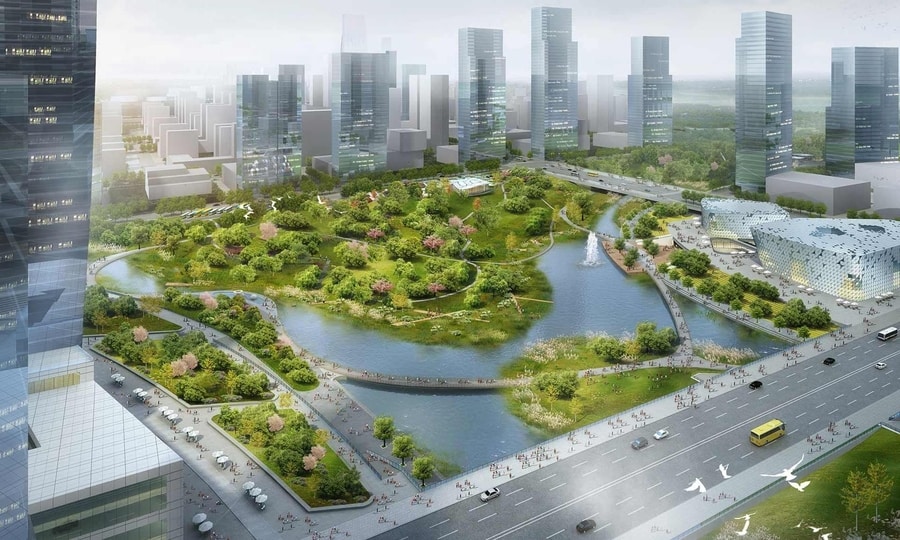
Challenges and Innovations
While the concept of eco-cities is promising, it presents several challenges:
Balancing Growth and Sustainability: As cities grow, ensuring development doesn’t come at the cost of sustainability is a constant challenge.
Technological Integration: Seamlessly integrating new technologies into existing urban fabrics requires innovative engineering solutions.
Public Participation: The success of eco-cities also depends on public buy-in; people need to embrace sustainable lifestyles for these initiatives to be effective.
Despite these challenges, there are numerous innovations making eco-cities a reality:
Smart Grid Technology: This allows for more efficient distribution and use of electricity, with a focus on renewable sources.
Advanced Building Materials: Materials that are durable, recyclable, and energy-efficient are being developed and deployed.
Urban Agriculture: Integrating agricultural practices into the urban environment helps reduce food miles and promotes local produce.
Case Studies of Eco-Cities
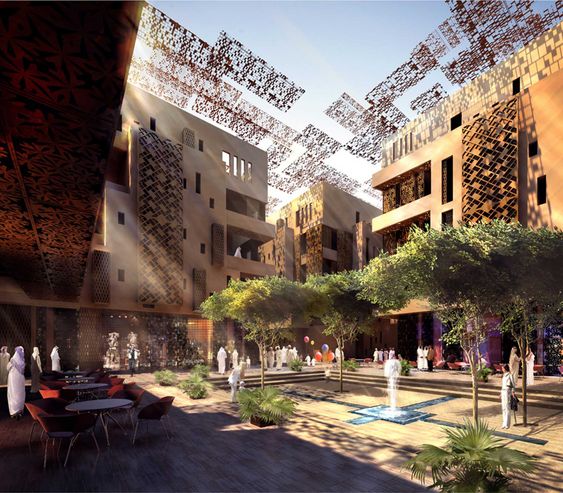
Masdar City, UAE: Often cited as the world’s first planned sustainable city, Masdar City integrates smart grid technology, sustainable architecture, and a variety of renewable energy sources.
Freiburg, Germany: Known as a green city, Freiburg has extensive bicycle routes, solar-powered homes, and strict building standards for energy efficiency.
The Future of Eco-Cities
The future of urban development lies in eco-cities. As civil engineers continue to innovate and push the boundaries of sustainable design and construction, the dream of eco-cities becomes more attainable. These cities promise not just environmental benefits but also healthier, more livable urban spaces for their residents.
Conclusion
Civil engineering is at the forefront of the eco-city movement, providing the expertise and solutions needed to make sustainable urban living a reality. As we face the dual challenges of urbanisation and environmental degradation, the role of civil engineering in developing eco-cities becomes more critical than ever. By bridging urban planning and environmental stewardship, civil engineers are helping to shape a more sustainable, resilient, and green future.