

Cloud computing is not merely a trend or a buzzword; it is the future of Information Technology (IT). It has redefined how businesses access, store, and manage data, heralding a new era of efficiency and scalability. If you're in IT or planning a career in this field, understanding the impact of cloud computing is not optional—it's essential. So, what makes cloud computing so revolutionary, and how can you prepare for this digital evolution?
Cloud computing is not merely a trend or a buzzword; it is the future of Information Technology (IT). It has redefined how businesses access, store, and manage data, heralding a new era of efficiency and scalability. If you're in IT or planning a career in this field, understanding the impact of cloud computing is not optional—it's essential. So, what makes cloud computing so revolutionary, and how can you prepare for this digital evolution?
Understanding the Cloud:
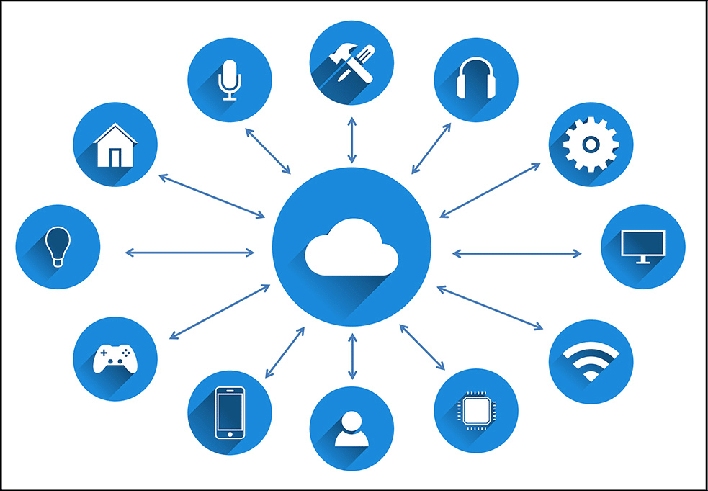
Simply put, cloud computing means storing and accessing data and applications over the Internet, rather than on physical hard drives or servers. It provides on-demand access to a variety of software and services, allowing businesses and individuals to extend their capabilities without heavy investments in hardware and software.
Why Cloud Computing Is The Future:
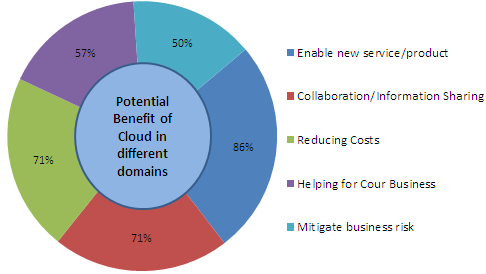
Cost-Efficiency: Traditional IT infrastructure requires significant upfront investment and ongoing maintenance costs. Cloud computing replaces this with a pay-as-you-go model, reducing both initial and operational expenses.
Scalability: Businesses can easily scale their cloud services according to their needs, without the complexities of changing physical infrastructure.
Collaboration and Mobility: Cloud solutions facilitate seamless collaboration across teams and geographies, and with everything stored online, you can access your work from anywhere.
The Different Cloud Models:
Public Cloud: Owned and operated by third-party cloud service providers, who deliver computing resources like servers and storage over the Internet.
Private Cloud: Exclusive to a single organisation, a private cloud can be physically located in a company's on-site data centre, or hosted by a third-party provider.
Hybrid Cloud: A blend of public and private clouds, allowing data and applications to be shared between them.
Key Technologies and Services:
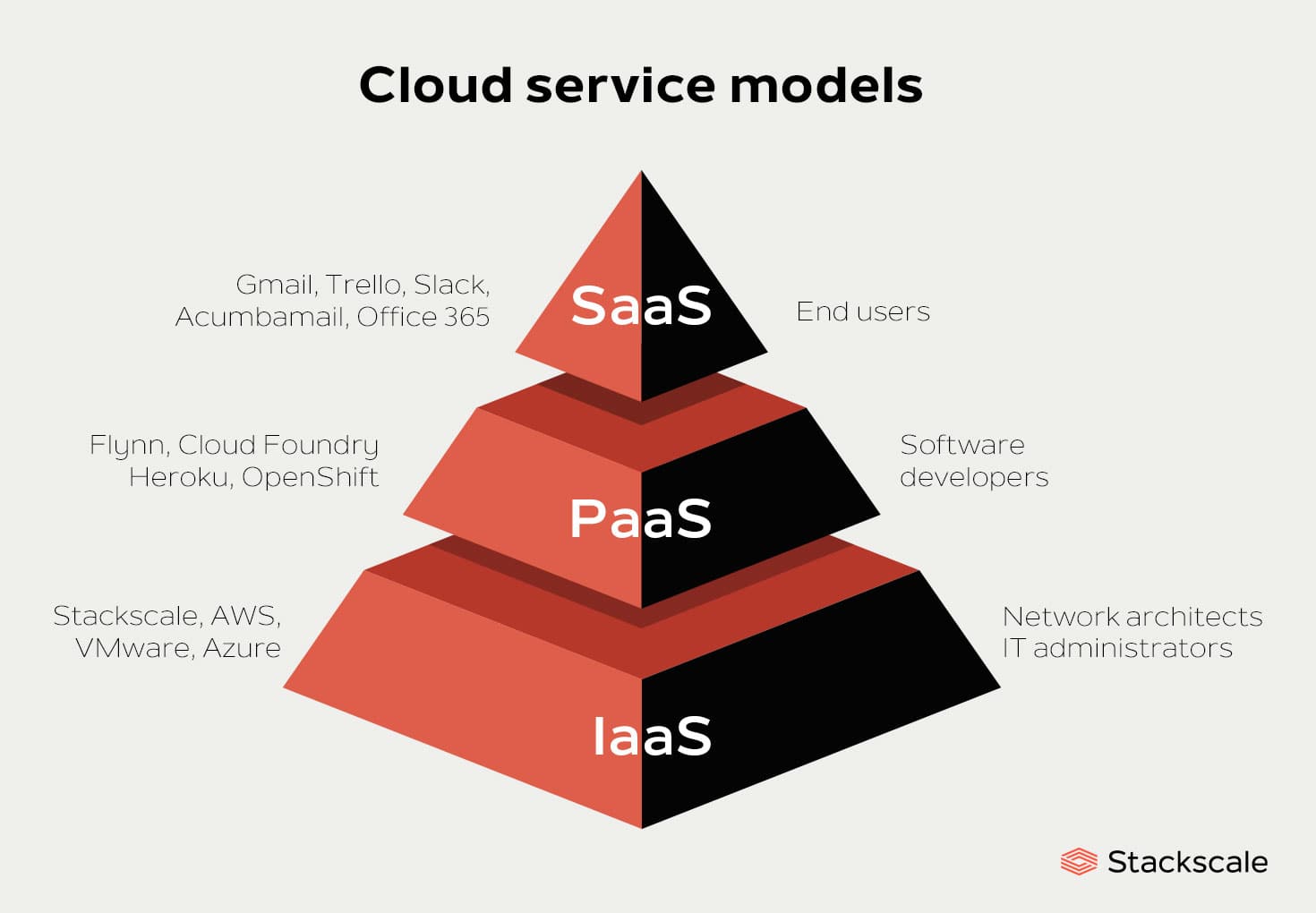
Infrastructure-as-a-Service (IaaS): Offers the computing architecture and infrastructure.
Platform-as-a-Service (PaaS): Provides the platform allowing customers to develop, run, and manage applications.
Software-as-a-Service (SaaS): Delivers applications over the cloud, eliminating the need to install and run applications on individual computers.
How to Prepare for a Cloud-Dominated Future:
Get Certified: Numerous cloud computing certifications, like AWS Certified Solutions Architect or Google Associate Cloud Engineer, can validate your skills.
Hands-on Experience: Practical experience is invaluable. Many platforms offer free tiers for learning purposes, allowing you to build and deploy in a real cloud environment.
Stay Updated: The cloud computing landscape is ever-changing. Keeping up with industry news, emerging technologies, and best practices is essential.
Soft Skills: Understanding the technology is crucial, but so is effective communication. Being able to translate technical jargon into business benefits can set you apart.
Risks and Considerations:
While cloud computing is largely beneficial, it's not without risks:
Data Security: Storing sensitive information off-site might pose security risks.
Compliance: Different countries have varying laws regarding data storage and transmission, which can complicate matters for global businesses.
Conclusion:
Cloud computing is not just the future—it's the present. For businesses and IT professionals alike, it offers a pathway to efficiency, cost-savings, and endless scalability. As this technology continues to evolve, those who adapt and prepare will find themselves at the forefront of a cloud-first world.