

In the quest for more sustainable and efficient urban environments, the concept of energy harvesting in infrastructure has taken centre stage. This innovative approach involves integrating technology into buildings and urban structures to capture and reuse various forms of energy. It's a promising step towards reducing the environmental footprint of cities and making them more self-sustaining.
In the quest for more sustainable and efficient urban environments, the concept of energy harvesting in infrastructure has taken centre stage. This innovative approach involves integrating technology into buildings and urban structures to capture and reuse various forms of energy. It's a promising step towards reducing the environmental footprint of cities and making them more self-sustaining.
Understanding Energy Harvesting
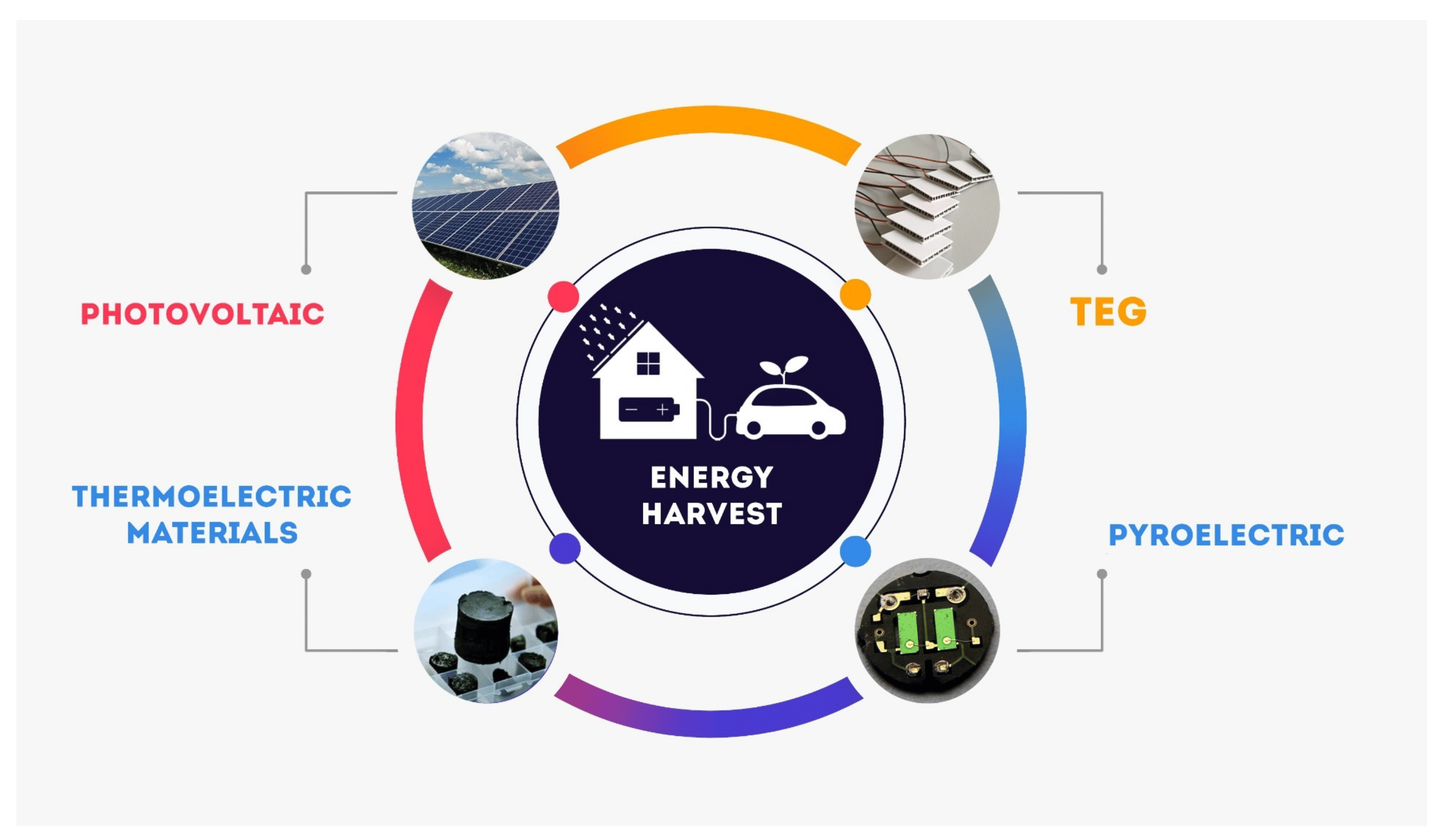
Energy harvesting refers to the process of capturing small amounts of energy that would otherwise be lost as heat, light, sound, vibration, or movement. This energy can then be stored and used, contributing to the overall energy efficiency of a structure or urban system.
Methods of Energy Harvesting in Urban Infrastructure
Solar Power Harvesting: This is the most common form of energy harvesting, using photovoltaic panels to capture sunlight and convert it into electricity.
Piezoelectric Energy Harvesting: This technology converts mechanical stress from vibrations, such as those produced by vehicles or pedestrians, into electrical energy.
Thermal Energy Harvesting: This involves capturing and utilising waste heat from industrial processes or HVAC systems within buildings.
Wind Energy Harvesting: Small-scale wind turbines can be incorporated into building designs to harness wind energy.
Kinetic Energy from Water: In cities with waterways, turbines can be used to generate energy from flowing water or tides.
Applications and Benefits
The application of energy harvesting technologies in urban infrastructure offers numerous benefits:
Reduced Dependency on External Power Sources: By generating power onsite, buildings and other structures can reduce their reliance on the grid.
Sustainability: Energy harvesting is a clean, renewable source of energy that helps reduce the carbon footprint of urban areas.
Cost Savings: Over time, the energy generated can lead to significant cost savings, offsetting initial installation expenses.
Innovative Urban Design: Integrating energy harvesting technologies can lead to innovative building designs and urban features.

Challenges in Implementing Energy Harvesting Technologies
While promising, the integration of energy harvesting technologies into urban infrastructure is not without challenges:
Technological Limitations: Some energy harvesting technologies are still in the developmental stage and may not be efficient enough for large-scale application.
High Initial Costs: The upfront cost of installing energy harvesting systems can be a barrier, despite the potential for long-term savings.
Aesthetic and Design Considerations: Integrating these technologies into buildings and public spaces in a way that is aesthetically pleasing requires careful design and planning.
Case Studies of Successful Energy Harvesting
The Edge in Amsterdam: Dubbed as the smartest building in the world, it utilises a massive array of solar panels and an intelligent system that maximises energy efficiency.
The Crystal in London: A sustainable building and exhibition centre that uses solar power and ground source heat pumps.
Pavegen's Kinetic Walkways: These innovative walkways generate energy from the footsteps of pedestrians and are being used in various urban environments.
The Future of Energy Harvesting in Urban Infrastructure
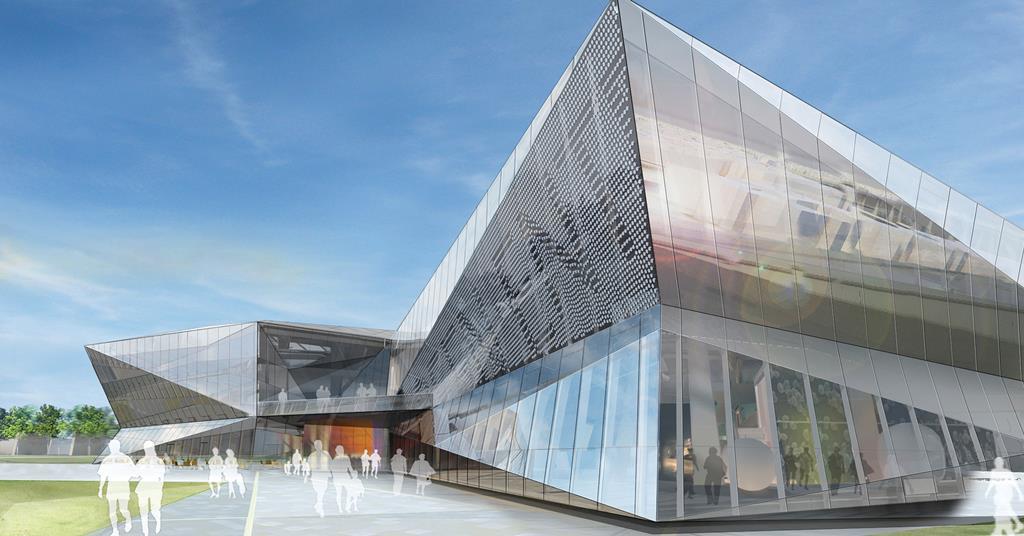
The future of urban development sees energy harvesting not as an optional extra but as an integral part of infrastructure design. Continued advancements in technology and a greater emphasis on sustainability will likely see more widespread adoption of these systems.
Conclusion
Energy harvesting represents a significant step forward in the evolution of smart, sustainable cities. By turning buildings and other urban structures into sources of power, we can dramatically reduce the environmental impact of our cities and pave the way towards a more sustainable future. This approach exemplifies the innovative spirit of modern urban development, harnessing the power of technology to create more efficient, self-sustaining, and eco-friendly urban environments.