
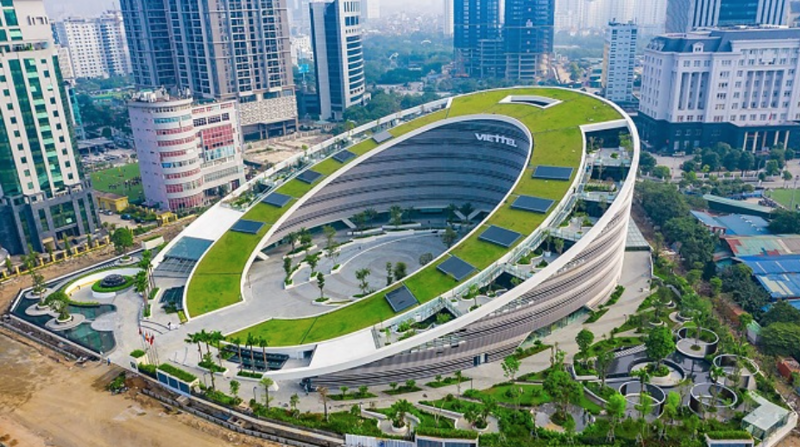
The essence of Green Building lies in the harmonious balance between high-quality construction and low environmental impact. Green buildings are designed to reduce waste, conserve energy, and provide healthier spaces for occupants, thereby playing a pivotal role in promoting sustainability and mitigating climate change impacts. As sustainability becomes more integral in structural design, engineers and architects are embracing innovative technologies and methods to develop eco-conscious, efficient buildings.
The essence of Green Building lies in the harmonious balance between high-quality construction and low environmental impact. Green buildings are designed to reduce waste, conserve energy, and provide healthier spaces for occupants, thereby playing a pivotal role in promoting sustainability and mitigating climate change impacts. As sustainability becomes more integral in structural design, engineers and architects are embracing innovative technologies and methods to develop eco-conscious, efficient buildings.
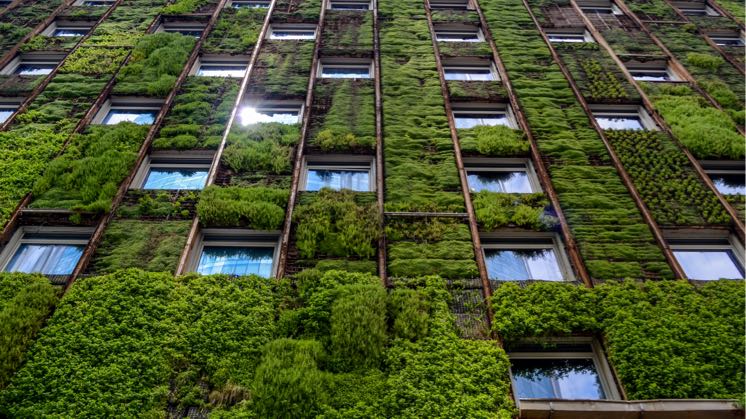
1. Principles of Green Building:
Green building integrates various principles to ensure sustainability, such as energy efficiency, water conservation, the use of renewable materials, waste reduction, and the creation of healthier living environments. These principles are pivotal in minimising the ecological footprint of buildings and fostering environmental conservation.
2. Energy Efficiency and Renewable Energy:
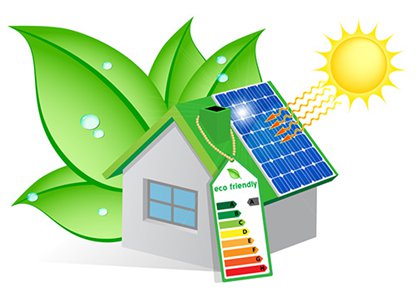
Energy efficiency is one of the cornerstones of green building. Implementing energy-efficient appliances, lighting, and HVAC systems reduces energy consumption and costs. Additionally, integrating renewable energy sources like solar panels helps in reducing dependency on fossil fuels and lowering carbon emissions.
3. Water Conservation:
Water conservation technologies such as rainwater harvesting systems and low-flow fixtures are integral in green building designs. They help in reducing water usage and promoting the sustainable use of water resources, which is essential in addressing water scarcity issues globally.
4. Sustainable Materials:
The use of sustainable, eco-friendly materials is another significant aspect of green building. Materials like bamboo, recycled steel, and green concrete are preferred as they have a lower environmental impact compared to conventional building materials. Such materials are renewable, recyclable, and reduce the overall environmental footprint of the building.
5. Indoor Environmental Quality:
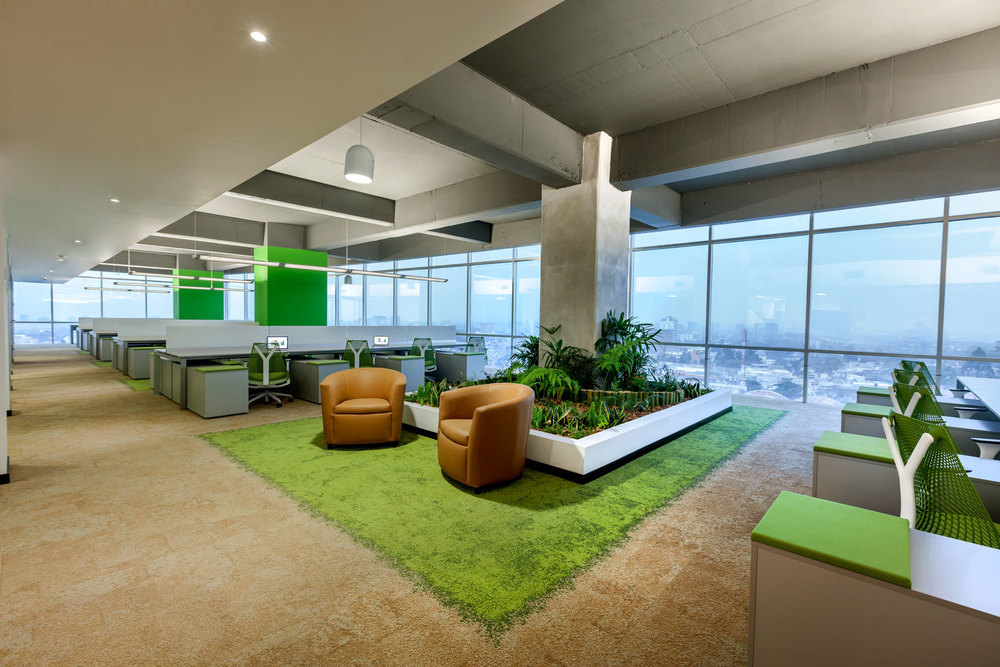
Enhancing indoor environmental quality is crucial for occupant health and well-being. Green buildings focus on improving air quality, utilising natural light, and controlling humidity levels, which significantly contributes to creating healthier living and working spaces.
6. Site Selection and Landscaping:
Choosing an appropriate site and incorporating sustainable landscaping practices are also crucial in green building. These include selecting locations with minimal environmental disturbance and implementing landscape designs that use native plants and optimise water usage, thereby enhancing biodiversity and ecological balance.
7. Waste Reduction:
Green buildings employ construction practices and designs that reduce waste generation. Implementing waste segregation, recycling, and composting are essential practices in managing and minimising waste effectively.
Conclusion:
Green building represents a revolutionary shift in the construction industry, integrating sustainability in structural design. By adopting energy-efficient technologies, sustainable materials, water conservation techniques, and focusing on enhancing indoor environmental quality, green buildings are shaping the future of construction. These buildings are not only economically viable but also environmentally responsible, addressing the pressing need for ecological conservation and sustainability.
The integration of green building concepts in construction projects is not just a trend but a necessary transformation in creating structures that are harmonious with the environment. As we forge ahead, the amalgamation of innovative technologies and sustainable practices in green building will continue to evolve, paving the way for a more sustainable, eco-conscious future.