
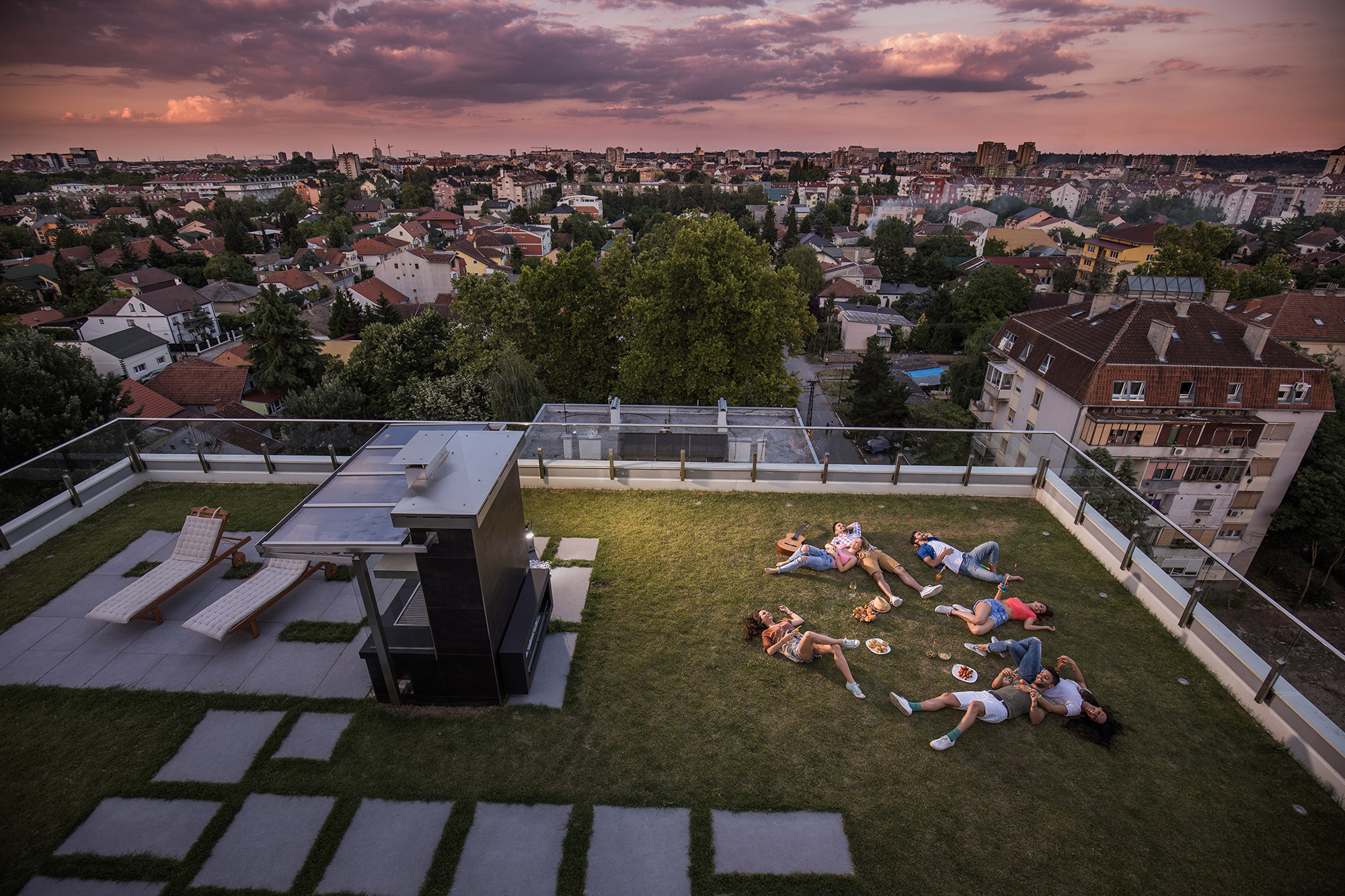
Urban environments often bring to mind images of concrete jungles, devoid of greenery. However, modern urban planning and civil engineering are increasingly embracing sustainable practices, leading to the integration of nature within these concrete landscapes. Two standout innovations in this domain are green roofs and vertical gardens. These nature-infused designs are not only aesthetically pleasing but offer numerous environmental and economic benefits.
Urban environments often bring to mind images of concrete jungles, devoid of greenery. However, modern urban planning and civil engineering are increasingly embracing sustainable practices, leading to the integration of nature within these concrete landscapes. Two standout innovations in this domain are green roofs and vertical gardens. These nature-infused designs are not only aesthetically pleasing but offer numerous environmental and economic benefits.
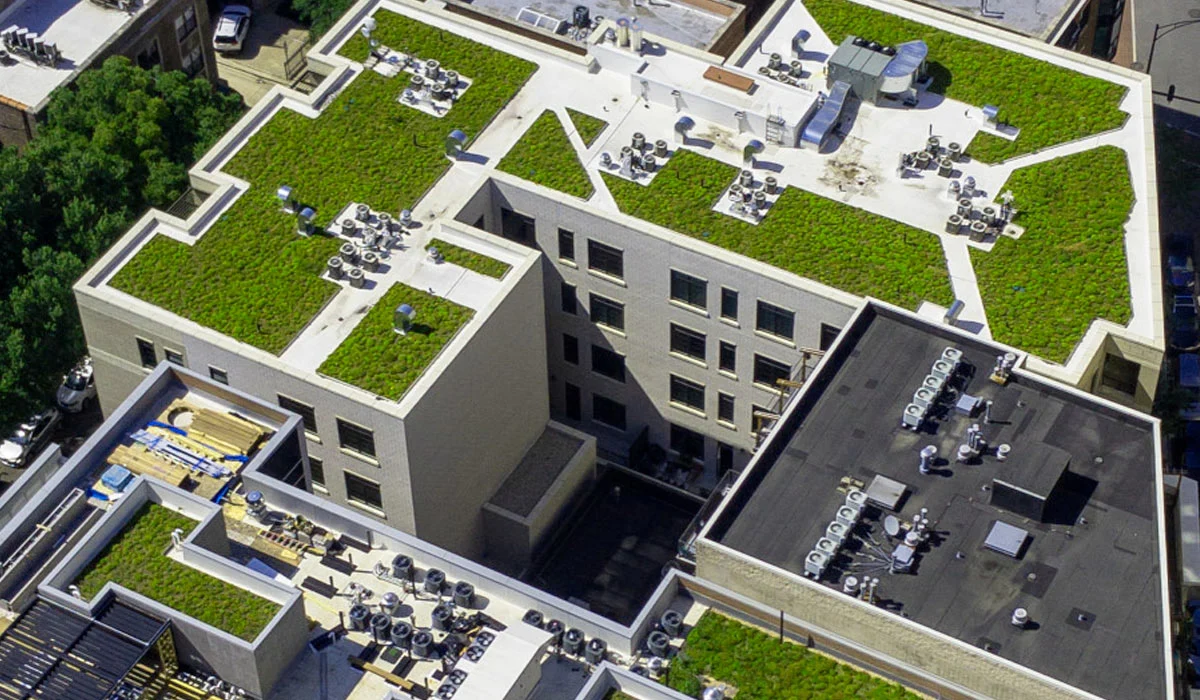
Understanding Green Roofs
A green roof, or living roof, is a system where vegetation grows atop a built structure, be it a residential, commercial, or industrial building. They come in various types:
Extensive Green Roofs: These are shallow, lightweight systems with a thin layer of growing medium, supporting drought-resistant plants like mosses and succulents.
Intensive Green Roofs: These roofs resemble traditional gardens with a deeper growing medium that can support a wider variety of plants, including small trees and shrubs.
Benefits of Green Roofs
Thermal Insulation: They provide natural insulation, reducing the need for heating in winters and cooling in summers, leading to energy savings.
Stormwater Management: Green roofs can absorb rainwater, reducing runoff and alleviating pressure on stormwater infrastructure.
Biodiversity: They offer habitats for various species, enhancing urban biodiversity.
Diving into Vertical Gardens
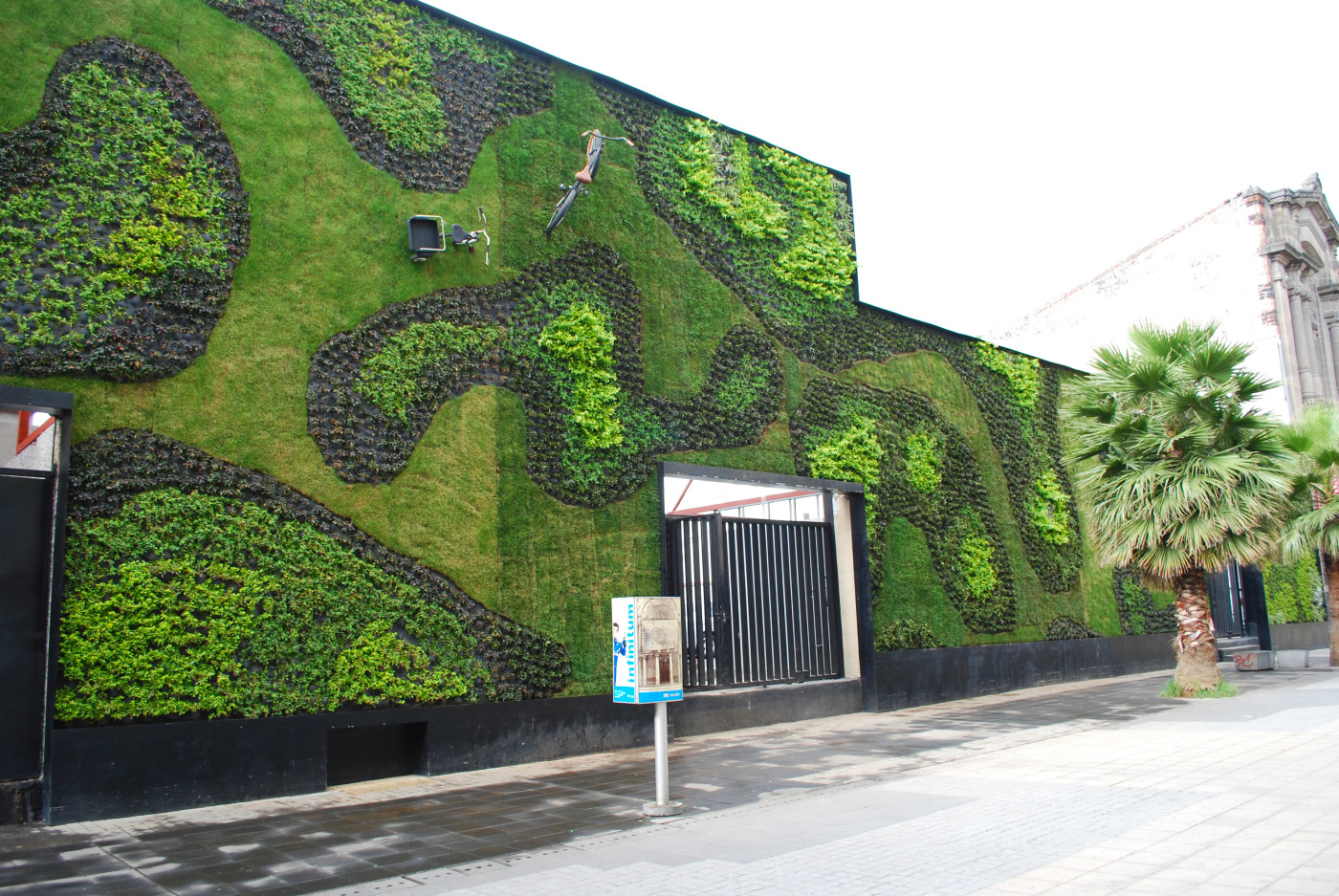
Also known as living walls, vertical gardens involve growing plants on vertical surfaces, such as building facades or standalone structures. They can be installed both indoors and outdoors and vary in complexity, from simple wall-mounted planters to intricate hydroponic systems.
Air Quality: Plants in vertical gardens act as natural filters, removing pollutants and releasing oxygen, thus improving indoor and outdoor air quality.
Noise Reduction: They can act as sound barriers, absorbing noises and creating quieter urban environments.
Thermal Regulation: Similar to green roofs, living walls provide insulation, aiding in maintaining internal building temperatures.
Synergy of Green Roofs and Vertical Gardens
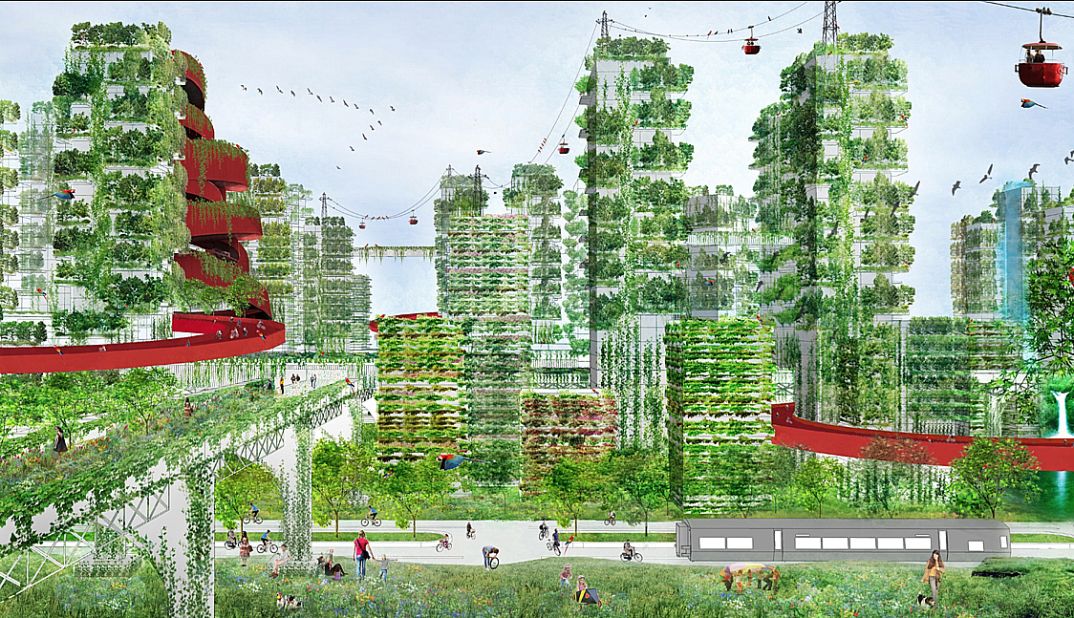
When combined, green roofs and vertical gardens can transform urban structures into living ecosystems. They make buildings blend seamlessly with nature, reflecting a harmonious balance between urban development and environmental conservation.
Challenges and Considerations
While the benefits are evident, there are challenges in implementing and maintaining these green systems:
Initial Costs: Installation, especially for intensive systems, can be expensive. However, the long-term benefits, such as energy savings and extended roof lifespan, often justify the costs.
Maintenance: Regular care is essential to ensure the health of the plants and the overall system's efficiency.
Structural Concerns: Buildings need to be assessed for their ability to support the additional weight, especially for intensive green roofs.
The Future of Urban Infrastructure
The integration of green roofs and vertical gardens into urban infrastructure signals a paradigm shift in how we envision urban spaces. No longer are cities destined to be concrete wastelands. Instead, they can be lush, green habitats that support life and offer improved quality of life for their inhabitants.
As more cities globally grapple with the challenges of urbanisation, pollution, and climate change, these green solutions present a viable and sustainable path forward. Civil engineers, urban planners, and architects are now collaborating more than ever to redesign our urban landscapes, and it's clear that nature has a significant role to play in the cities of the future.