
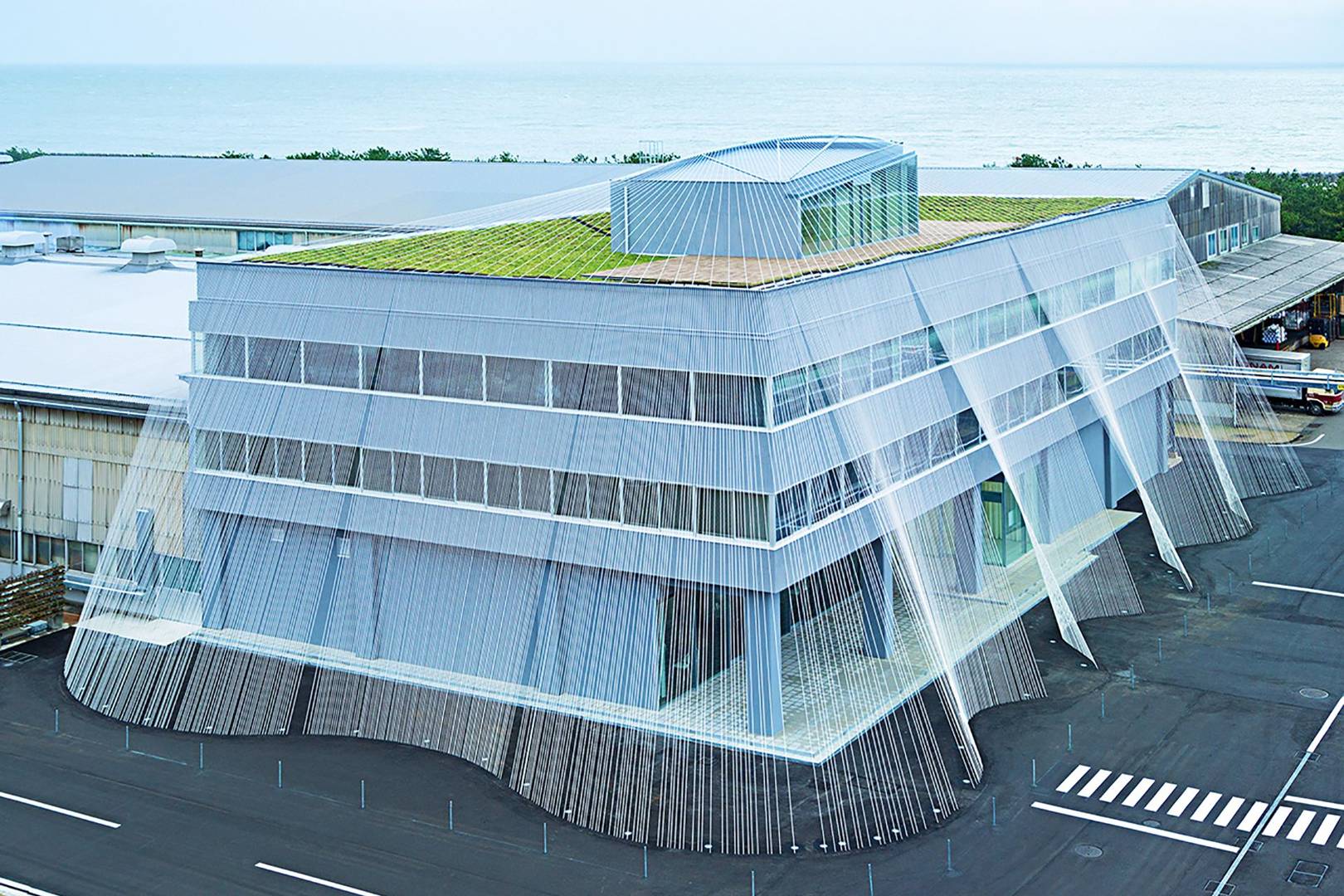
In a world grappling with the realities of climate change and increasing natural disasters, the importance of creating resilient infrastructure cannot be overstated. Earthquakes, in particular, pose a grave threat to cities, economies, and lives across the globe. Responding to this challenge, modern civil engineering has brought to the fore several groundbreaking innovations in earthquake-resilient design, ensuring that structures not only withstand seismic events but also protect their inhabitants.
In a world grappling with the realities of climate change and increasing natural disasters, the importance of creating resilient infrastructure cannot be overstated. Earthquakes, in particular, pose a grave threat to cities, economies, and lives across the globe. Responding to this challenge, modern civil engineering has brought to the fore several groundbreaking innovations in earthquake-resilient design, ensuring that structures not only withstand seismic events but also protect their inhabitants.
The Science Behind Earthquake Engineering
Before delving into the innovations, it's crucial to understand the underlying science. Earthquakes produce energy that travels through the Earth in seismic waves. When these waves reach the surface, they can cause the ground to shake—potentially leading to catastrophic infrastructure failures. The primary goal of earthquake engineering is to design structures that can absorb and dissipate this energy without collapsing or being significantly damaged.
Key Innovations in Earthquake-Resilient Infrastructure
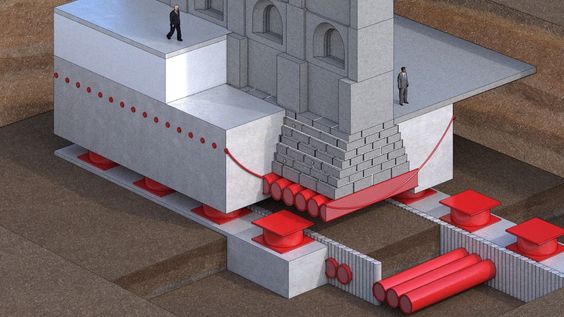
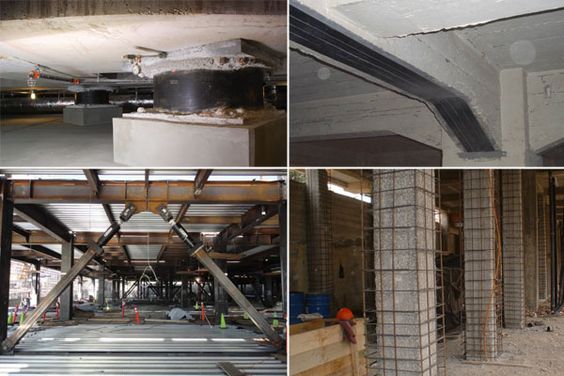
Base Isolation Systems: Arguably one of the most effective seismic retrofitting techniques, base isolators are devices placed in the foundation of structures. During an earthquake, these isolators can move and sway independently, significantly reducing the seismic forces transmitted from the ground to the building.
Seismic Dampers: Functioning similarly to shock absorbers in cars, seismic dampers absorb the energy from seismic waves, reducing the sway of buildings during earthquakes. These can be installed vertically between floors or horizontally in the structure's framework.
Reinforced Concrete and Flexible Building Materials: Traditional construction materials can be brittle and might crack or break during an earthquake. By contrast, modern materials such as fiber-reinforced concrete or engineered wood provide the necessary flexibility, ensuring buildings can sway without breaking.
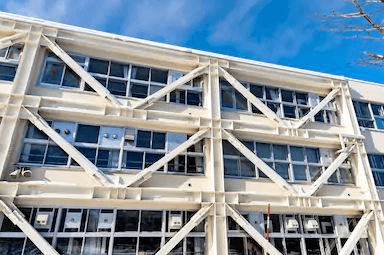
Retrofitting Older Buildings: Many older buildings were not designed with earthquakes in mind. Seismic retrofitting involves strengthening such structures, making them more resistant to seismic activity. This can involve adding steel braces, reinforcing walls, or even incorporating some of the aforementioned technologies like base isolators.
Saving Lives: The primary goal of these engineering feats is the preservation of life. Resilient buildings ensure minimal injuries or fatalities during seismic events.
Economic Preservation: Earthquakes can lead to significant economic losses due to infrastructure damage. Resilient buildings reduce these costs, ensuring continuity in business operations and residential habitats.
Enhanced Property Value: Buildings equipped with seismic retrofitting technologies often command higher property values, as they offer enhanced safety.
Protection of Heritage: Many historic buildings are vulnerable to earthquakes. Retrofitting these structures ensures that they continue to stand tall, preserving cultural and historical landmarks for future generations.
The Road Ahead
While we have made significant strides in earthquake engineering, the journey doesn't end here. As urbanisation increases and cities expand, the need for resilient infrastructure becomes even more pressing. Research continues in developing new materials, technologies, and designs that push the boundaries of what's possible in seismic resilience.
Moreover, while the focus has often been on new structures, there's a pressing need to address older buildings. Urban centres worldwide are filled with structures built long before these innovations came into play, and addressing this vulnerability will be key.
Conclusion
Innovations in earthquake-resilient infrastructure stand as a testament to human ingenuity and the drive to protect our communities. They underscore the intersection of science, design, and societal needs. As we look to the future, continued investments in research, technology, and implementation will be crucial to ensure that our cities and communities are safe from the unpredictable wrath of nature.