

Bridges are more than just structures that enable us to cross physical barriers like rivers and valleys; they are vital components of transportation networks, enhancing connectivity and facilitating economic growth. Modern civil engineering has taken bridge design to new heights, incorporating cutting-edge technology and innovative architectural concepts. These advancements not only improve the functionality of bridges but also transform them into iconic landmarks.
Bridges are more than just structures that enable us to cross physical barriers like rivers and valleys; they are vital components of transportation networks, enhancing connectivity and facilitating economic growth. Modern civil engineering has taken bridge design to new heights, incorporating cutting-edge technology and innovative architectural concepts. These advancements not only improve the functionality of bridges but also transform them into iconic landmarks.

The Evolution of Bridge Design
The history of bridge construction is a testament to human ingenuity, evolving from simple wooden logs to sophisticated structures made of steel, concrete, and composites. Today’s innovative bridge designs reflect a blend of aesthetics, sustainability, and advanced engineering.
Innovative Features in Modern Bridge Designs
Aesthetic Appeal: Contemporary bridges are often architectural masterpieces, with designs that enhance the visual appeal of their surroundings.
Sustainable Materials: The use of sustainable, durable materials reduces environmental impact and ensures longevity.
Smart Technology Integration: Modern bridges often incorporate smart technologies for monitoring structural health, traffic flow, and environmental conditions.
Multi-functionality: Many new bridges are designed to accommodate multiple modes of transportation, including pedestrian walkways, bicycle lanes, and public transit.
Impact of Innovative Bridges on Connectivity
Enhancing Urban Mobility: Innovative bridge designs can significantly reduce travel time and congestion, improving overall urban mobility.
Economic Development: Bridges often stimulate economic growth by connecting previously isolated areas and facilitating trade and commerce.
Community Integration: Bridges can play a crucial role in integrating communities, fostering social interaction, and enhancing accessibility.
Challenges in Modern Bridge Construction
While innovative bridge designs offer numerous benefits, they also present unique challenges:
Structural Complexity: Advanced designs can pose significant engineering challenges, requiring precise calculations and innovative construction techniques.
Cost Considerations: Cutting-edge bridge projects can be expensive, both in terms of materials and construction methods.
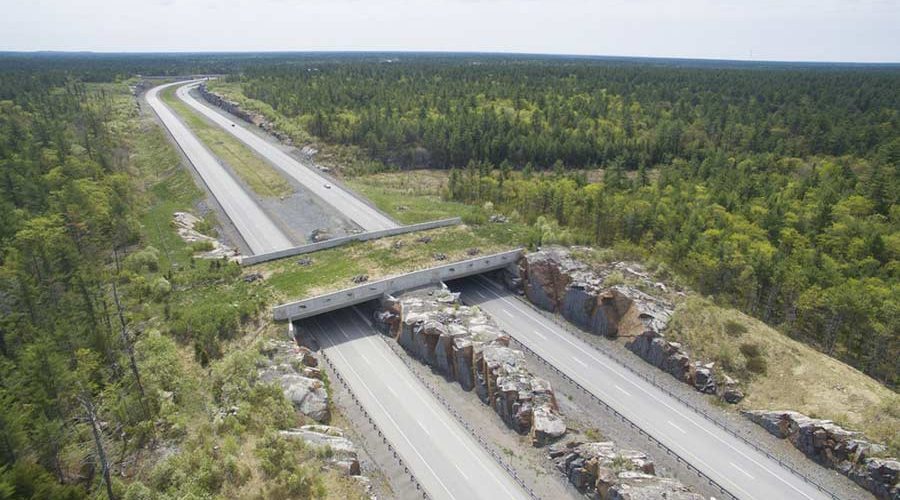
Environmental Impact: Ensuring minimal environmental disruption during construction and operation is a critical consideration.
Iconic Examples of Innovative Bridge Designs
The Millau Viaduct, France: One of the tallest bridges in the world, known for its impressive design and the way it complements the surrounding landscape.
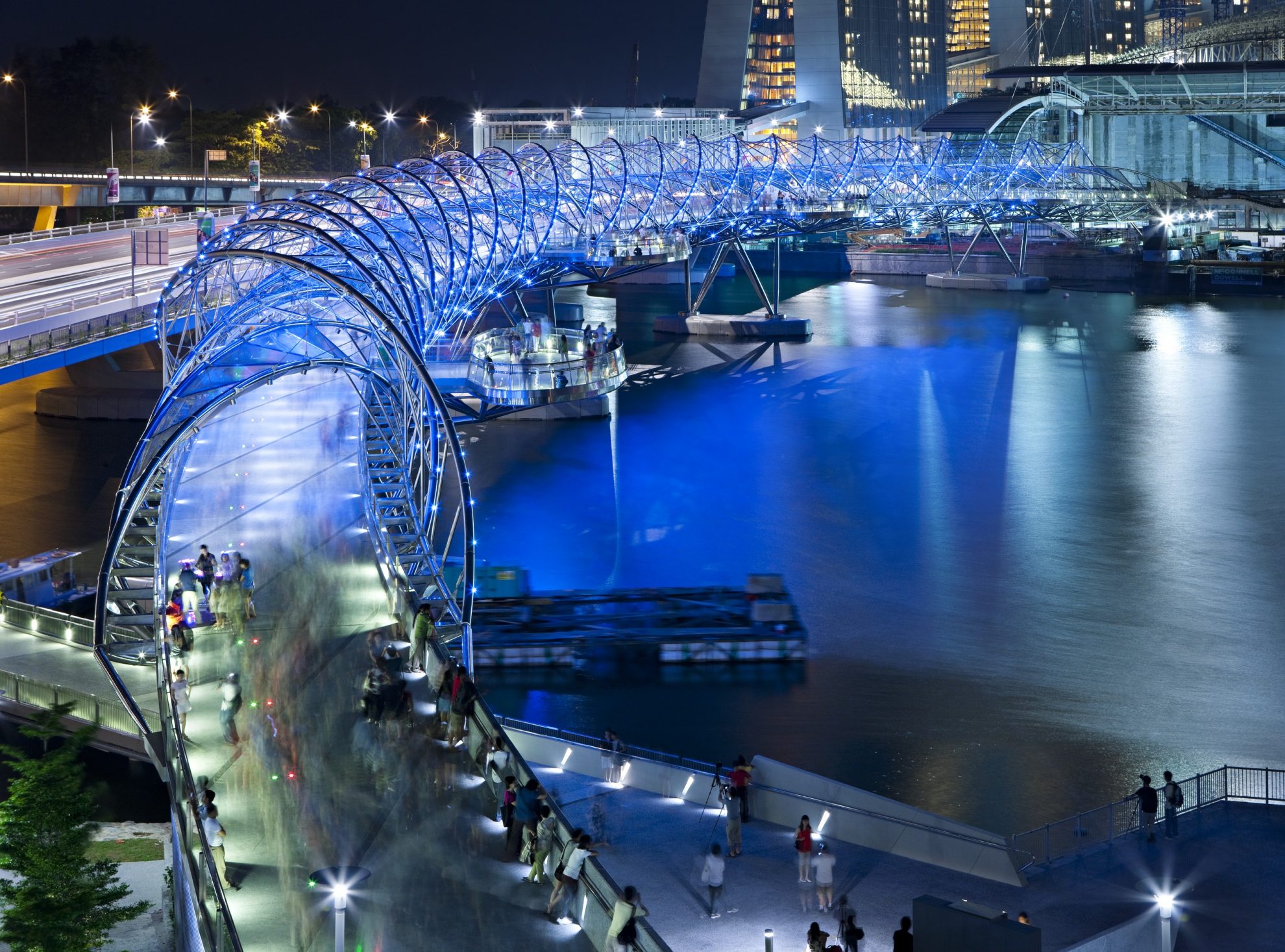
The Helix Bridge, Singapore: A pedestrian bridge with a unique helical structure, inspired by the structure of DNA.
The High Line, New York City: An innovative urban revitalisation project that transformed an old railway line into an elevated urban park and walkway.
The Future of Bridge Design
The future of bridge design promises even more innovation, with emerging technologies like 3D printing and new materials offering the potential for even more daring and sustainable designs. The integration of data-driven smart systems and green technologies will further enhance the functionality and environmental compatibility of bridge projects.
Conclusion
Innovative bridge designs are redefining the way we think about urban connectivity and infrastructure. These modern marvels are not just about crossing physical barriers; they represent the fusion of art, technology, and engineering excellence. By enhancing connectivity and becoming iconic symbols of urban landscapes, innovative bridges play a crucial role in shaping the future of transportation and urban development.