
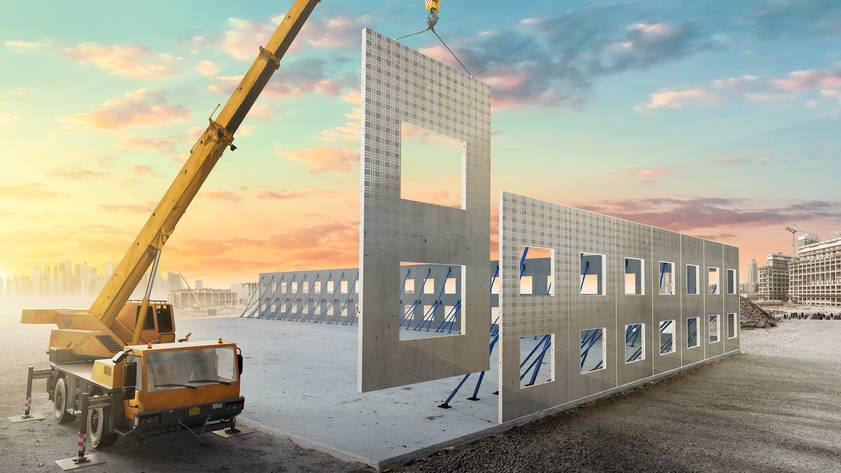
The construction industry has been a cornerstone of economic development for centuries. However, traditional construction practices are often associated with extensive timelines, significant waste, and high labor costs. As we navigate towards a more sustainable and efficient future, modular and prefabricated construction emerge as game changers. This approach to building, which involves manufacturing sections of a structure offsite and assembling them onsite, is transforming the way we create our built environment.
The construction industry has been a cornerstone of economic development for centuries. However, traditional construction practices are often associated with extensive timelines, significant waste, and high labor costs. As we navigate towards a more sustainable and efficient future, modular and prefabricated construction emerge as game changers. This approach to building, which involves manufacturing sections of a structure offsite and assembling them onsite, is transforming the way we create our built environment.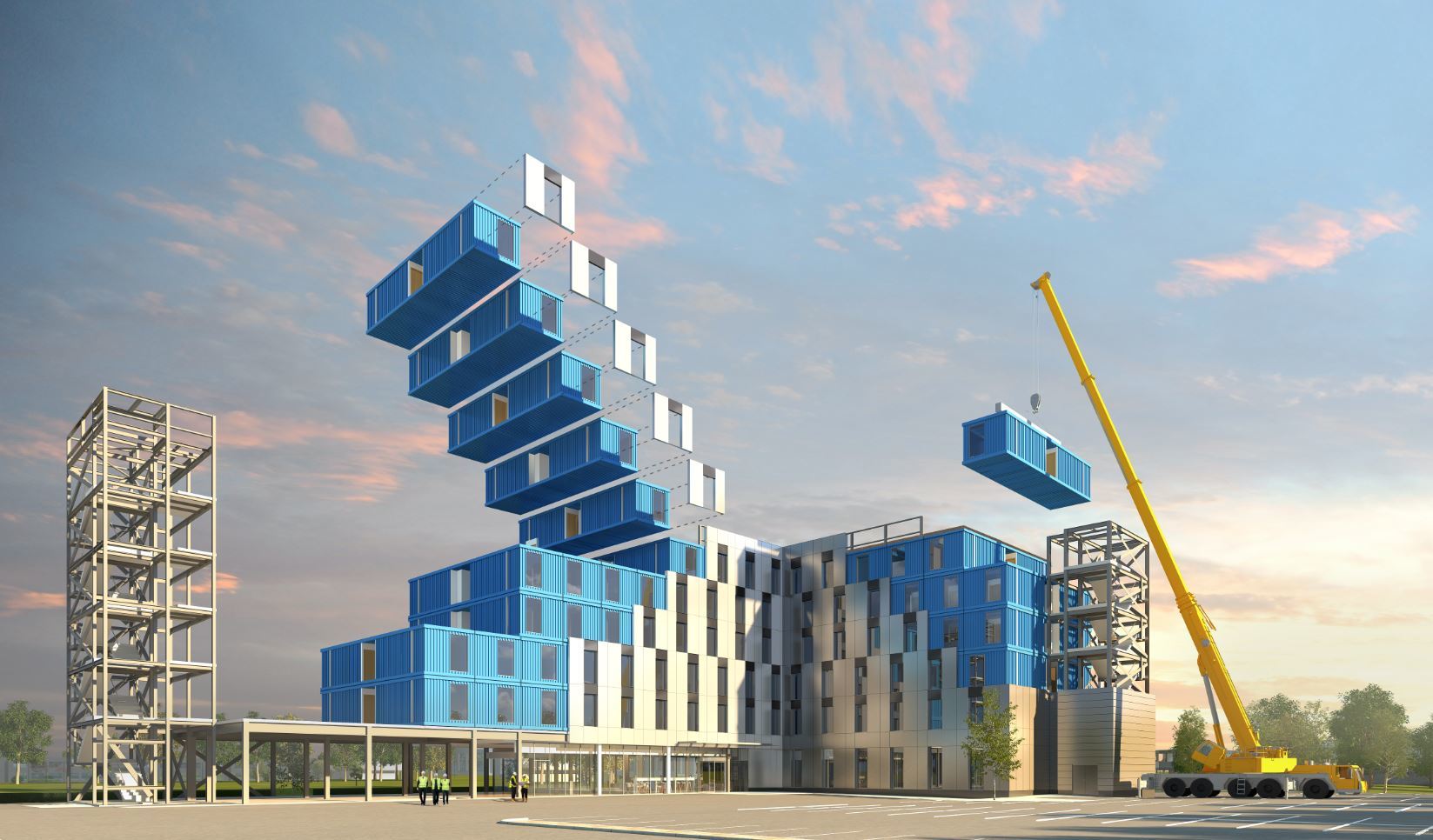
The Rise of Modular and Prefabricated Construction
Globally, there is an increasing shift towards modular and prefabricated construction. These methods allow for faster building times, reduced environmental impact, and often lower costs, without compromising on quality. They stand as a testament to how innovation and technology can synergise to revolutionise an industry.
Understanding the Concepts
Modular construction involves producing entire sections of buildings — modules — in a factory setting. These modules are then transported to the construction site and assembled like building blocks. Prefabrication, on the other hand, may not involve complete rooms but rather standardised components like walls, frames, or roof trusses.
Why Go Modular?
1. Speed and Efficiency: Modular structures can be developed in parallel with site work, saving time. Because they are produced in a controlled environment, weather delays are minimised, and projects can be completed 30-50% quicker than traditional construction.
2. Cost-Effectiveness: Controlled manufacturing leads to precise planning and material usage, reducing waste. The labor cost savings from the efficiency of the production process can also be significant.
3. Sustainability: Modular construction reduces on-site disturbances, lessens waste, and allows for more efficient use of materials. Moreover, these buildings are often more energy-efficient due to better insulation and tighter construction.
4. Flexibility and Reusability: Modular buildings can be disassembled and the modules relocated or refurbished for new use, reducing the demand for raw materials and minimising energy consumption.
5. Quality Control: As modules or components are produced in a factory setting, there are stringent quality control processes, which often result in a better-quality end product.
Incorporating Sustainability
Sustainability in construction is no longer a choice but a necessity, and modular construction leads the charge. It significantly reduces the carbon footprint of building by:
Decreasing on-site energy consumption.
Limiting the waste through precise measurements and material use.
Using sustainable materials that are often recycled or recyclable.
Real-World Applications
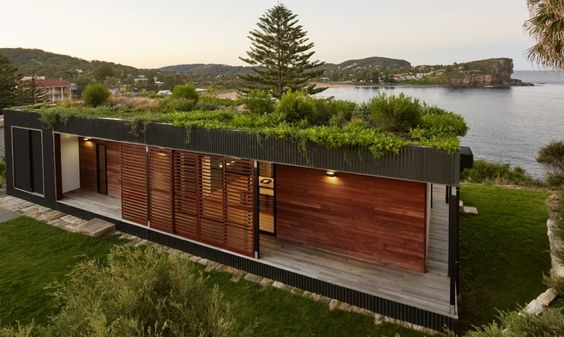
From residential complexes to offices, schools, and even hospitals, the applications of modular and prefabricated construction are vast:
1. Residential Housing: Affordable housing projects are increasingly using modular construction to meet demand without sacrificing quality or aesthetics.
2. Commercial Spaces: Companies are turning to prefabricated methods to expand quickly and efficiently with minimal business interruption.
3. Healthcare Facilities: The need for rapid expansion of healthcare facilities, especially seen during the COVID-19 pandemic, was partially met through modular construction.
4. Educational Institutions: Schools and universities are also utilising prefabricated components to add to their facilities in a timely and budget-friendly manner.
The Process Behind the Pieces
The manufacturing process is a well-oiled machine, with each step planned meticulously to ensure maximum efficiency. Computer-aided design (CAD) plays a significant role in the design and customisation of the modules, ensuring they meet the specific needs of each project.
Challenges and Opportunities
While the benefits are numerous, there are challenges to modular construction, including transportation logistics, the need for precise planning, and regulatory hurdles. However, these challenges present opportunities for innovation and the continuous improvement of building practices.
Conclusion
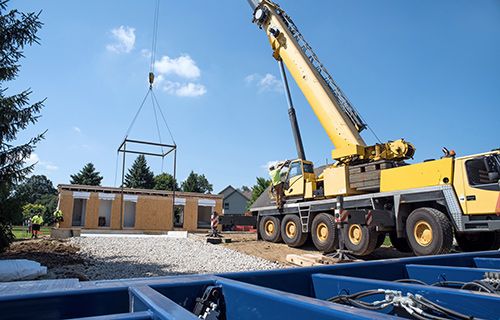
Modular and prefabricated construction marks a paradigm shift in building practices. It embraces the need for speed, efficiency, and sustainability without compromising on the art of architecture. As we continue to face global challenges such as housing shortages, environmental concerns, and the need for rapid infrastructural development, modular and prefabricated construction stands out as a beacon of modern, intelligent building practices. It's a method that doesn't just construct buildings; it builds a better future.