
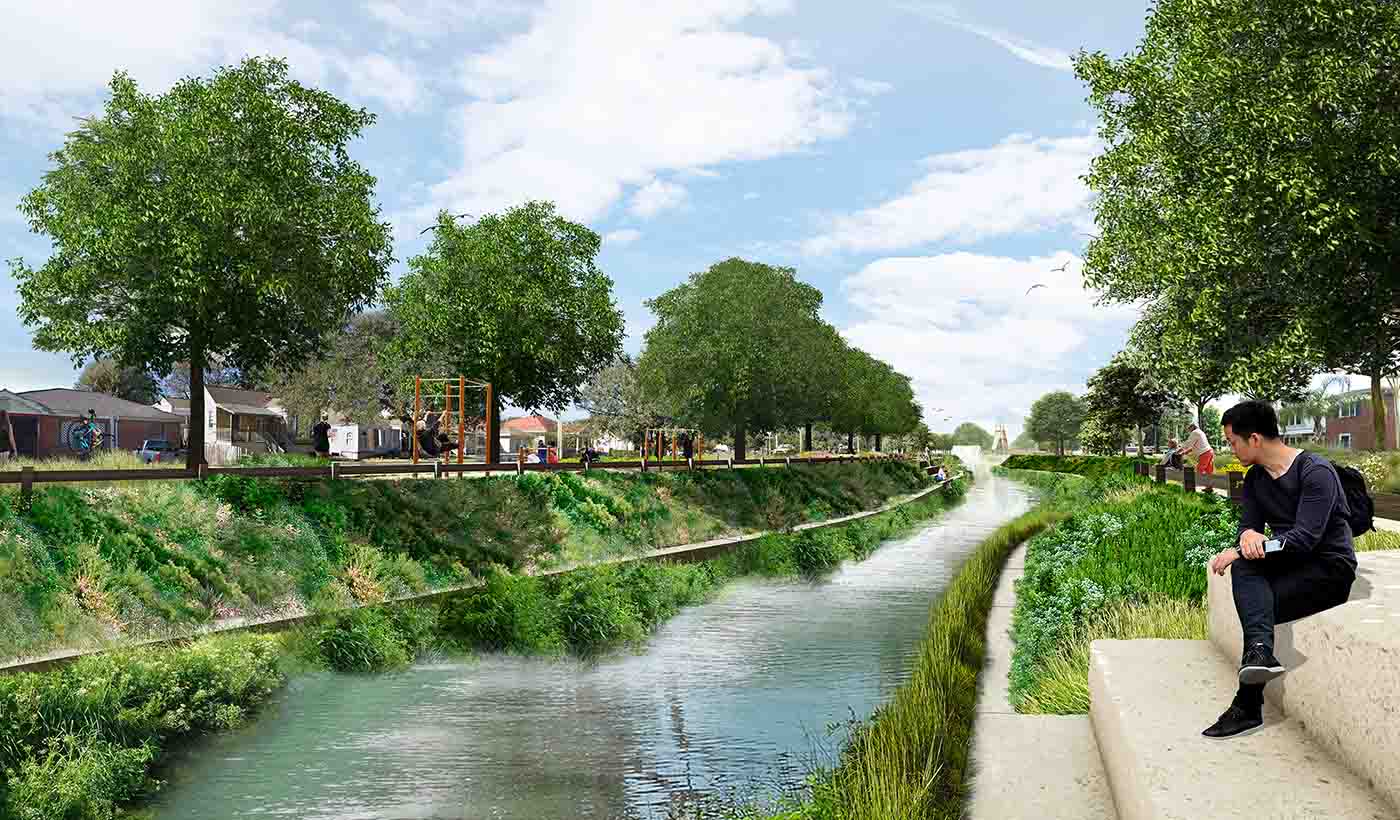
As the consequences of climate change intensify, the fragility of our urban infrastructures becomes glaringly apparent. Flooding, urban heat islands, and erosion, among other challenges, are increasingly common. However, as the problems escalate, innovative solutions emerge. Among the most promising are nature-based solutions (NBS) in civil engineering. By harnessing ecosystems and their inherent benefits, urban areas can boost their resilience, ensure sustainable growth, and create healthier environments for their inhabitants.
As the consequences of climate change intensify, the fragility of our urban infrastructures becomes glaringly apparent. Flooding, urban heat islands, and erosion, among other challenges, are increasingly common. However, as the problems escalate, innovative solutions emerge. Among the most promising are nature-based solutions (NBS) in civil engineering. By harnessing ecosystems and their inherent benefits, urban areas can boost their resilience, ensure sustainable growth, and create healthier environments for their inhabitants.
The Concept of Nature-Based Solutions
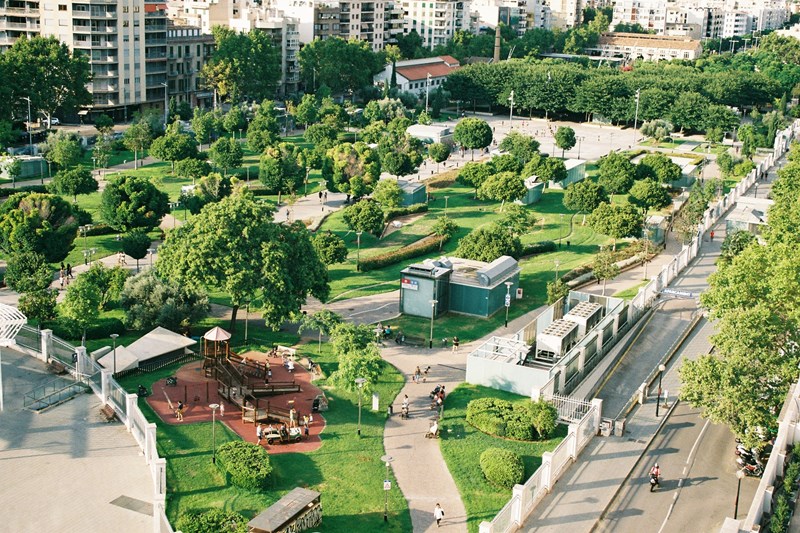
Nature-based solutions refer to the practice of utilising natural processes and ecosystems to address societal challenges, particularly those related to the environment and urban development. Instead of purely man-made infrastructures, NBS integrates or mimics nature to provide the desired outcomes.
Advantages of NBS in Civil Engineering
Sustainability: NBS often have lower carbon footprints than traditional methods. By utilising or preserving existing ecosystems, cities can enhance biodiversity while reducing environmental impact.
Cost-Effective: Over their lifecycle, nature-based solutions can be more cost-effective than traditional approaches. They often require less maintenance, have longer lifespans, and can even provide additional benefits like recreational spaces or habitats for wildlife.
Multi-functionality: Unlike single-purpose infrastructures, NBS can serve various purposes. For instance, a wetland can manage stormwater, filter pollutants, and act as a recreational area.
Nature-Based Solutions in Action
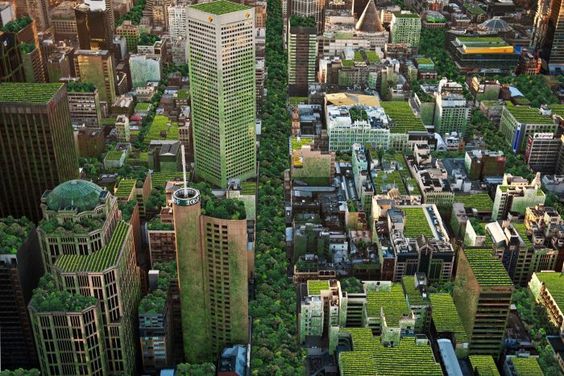
1. Green Roofs and Walls: These structures incorporate vegetation into building design, either on roofs or external walls. They can absorb rainwater, provide insulation, and mitigate urban heat islands.
2. Urban Wetlands and Bio-retention Ponds: These water bodies can store stormwater, reducing flood risks, and naturally filter pollutants, ensuring cleaner water flows into larger water systems.
3. Permeable Pavements: Unlike traditional pavements, permeable pavements allow water to pass through, reducing surface runoff and recharging groundwater supplies.
4. Mangrove Plantation and Coastal Vegetation: In coastal areas, planting mangroves or preserving coastal vegetation can act as natural barriers against storm surges and prevent coastal erosion.
5. Urban Forests and Parks: Besides offering recreational spaces, urban forests and parks can absorb significant amounts of rainwater, provide habitats for urban wildlife, and significantly cool down surrounding areas.
Challenges and Considerations
While the benefits of NBS are significant, it's essential to acknowledge the challenges:
Space Constraints: In densely populated urban areas, finding space for large NBS can be a hurdle.
Maintenance Knowledge: Managing natural ecosystems, especially in urban settings, might require specialised knowledge.
Initial Costs: Though NBS can be cost-effective in the long run, initial setup costs can be higher than traditional methods.
Stakeholder Acceptance: Convincing stakeholders, especially those used to traditional methods, can be challenging.
Despite these challenges, the potential benefits of NBS in terms of resilience, sustainability, and urban well-being are immense.
Future Prospects
As cities continue to grapple with the challenges posed by climate change, the importance of innovative, sustainable, and resilient solutions becomes paramount. Nature-based solutions offer a way forward that not only addresses these challenges but also reconnects urban inhabitants with nature, promoting well-being and ecological awareness.
Conclusion
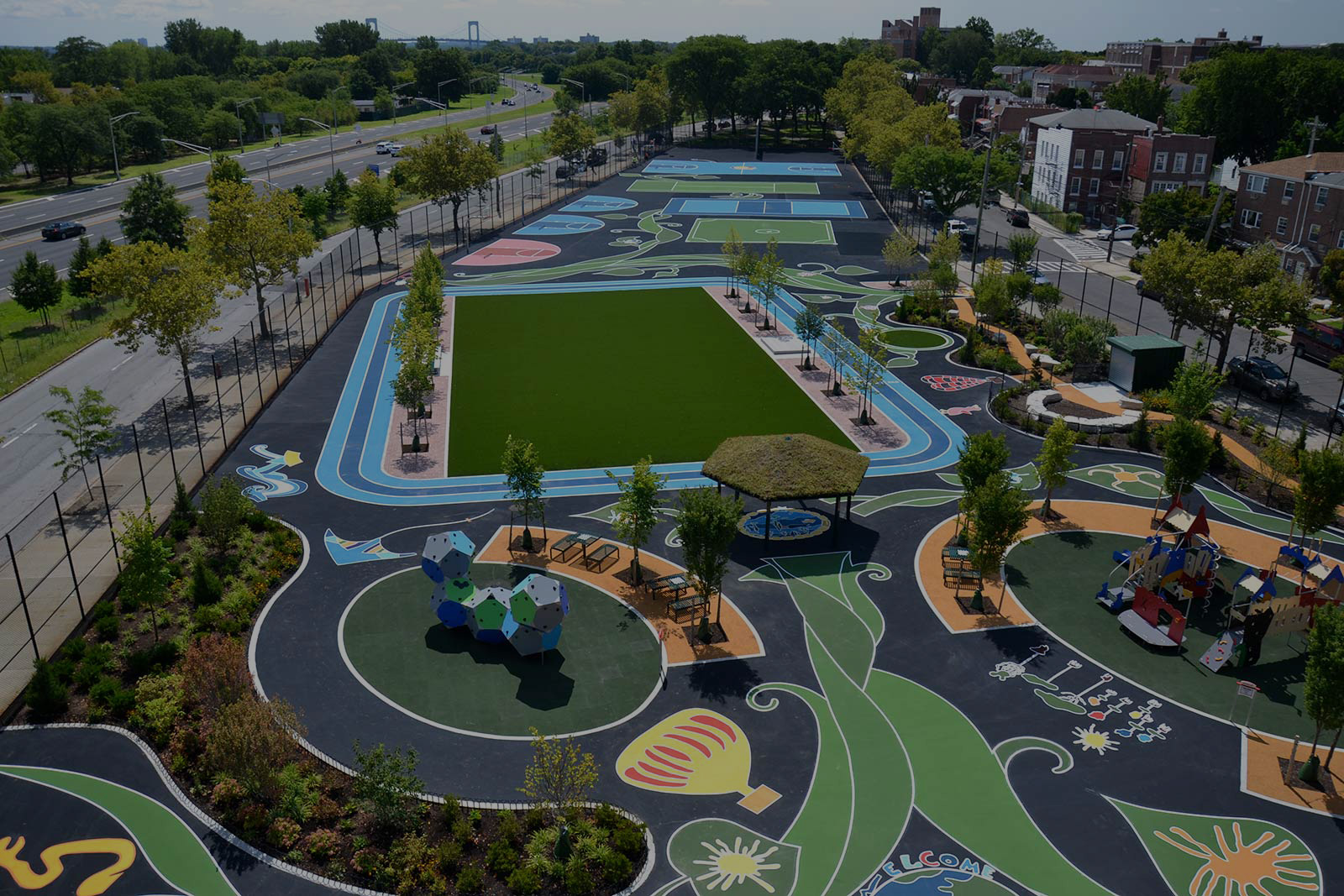
Harnessing the power of ecosystems in civil engineering is a testament to the innovative spirit of the 21st century. As we endeavour to create sustainable urban environments, looking to nature for inspiration and solutions seems not only wise but also imperative. Nature-based solutions stand at the intersection of tradition and innovation, reminding us that sometimes, the best way forward is to look back and learn from the natural world around us.