


Retrofitting Old Buildings: Civil Engineering Strategies for Energy Efficiency and Preservation
In the quest for sustainability, retrofitting old buildings presents a unique intersection of preserving the past while adapting for the future. This process involves modifying existing structures to improve energy efficiency, decrease environmental impact, and meet modern standards—all without compromising their historical integrity. Civil engineering plays a critical role in this transformation, applying innovative strategies to breathe new life into old edifices.
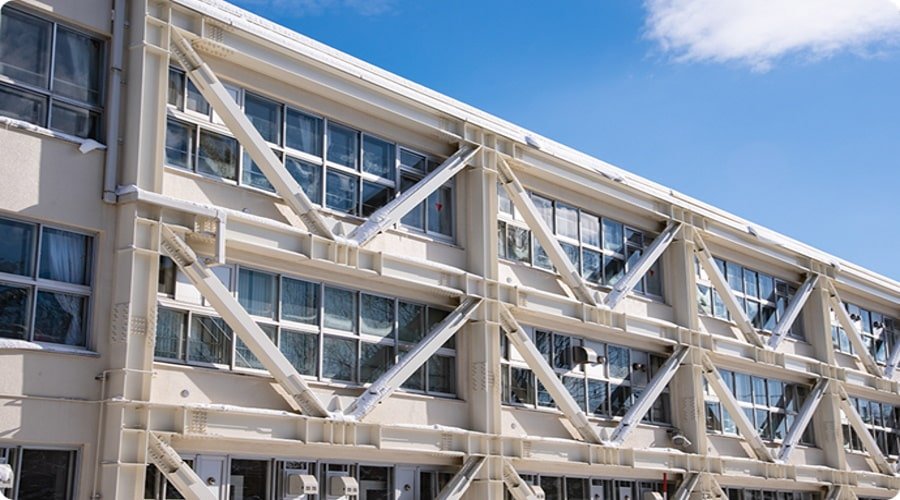
The Imperative for Retrofitting
Retrofitting is not just about energy conservation; it's a comprehensive approach to sustainable development. Old buildings often embody significant cultural and architectural heritage, making their preservation crucial. However, many of these structures were built before the advent of modern energy regulations and technologies. Retrofitting ensures that these buildings can remain functional and safe for contemporary use.
Strategies for Energy-Efficient Retrofitting
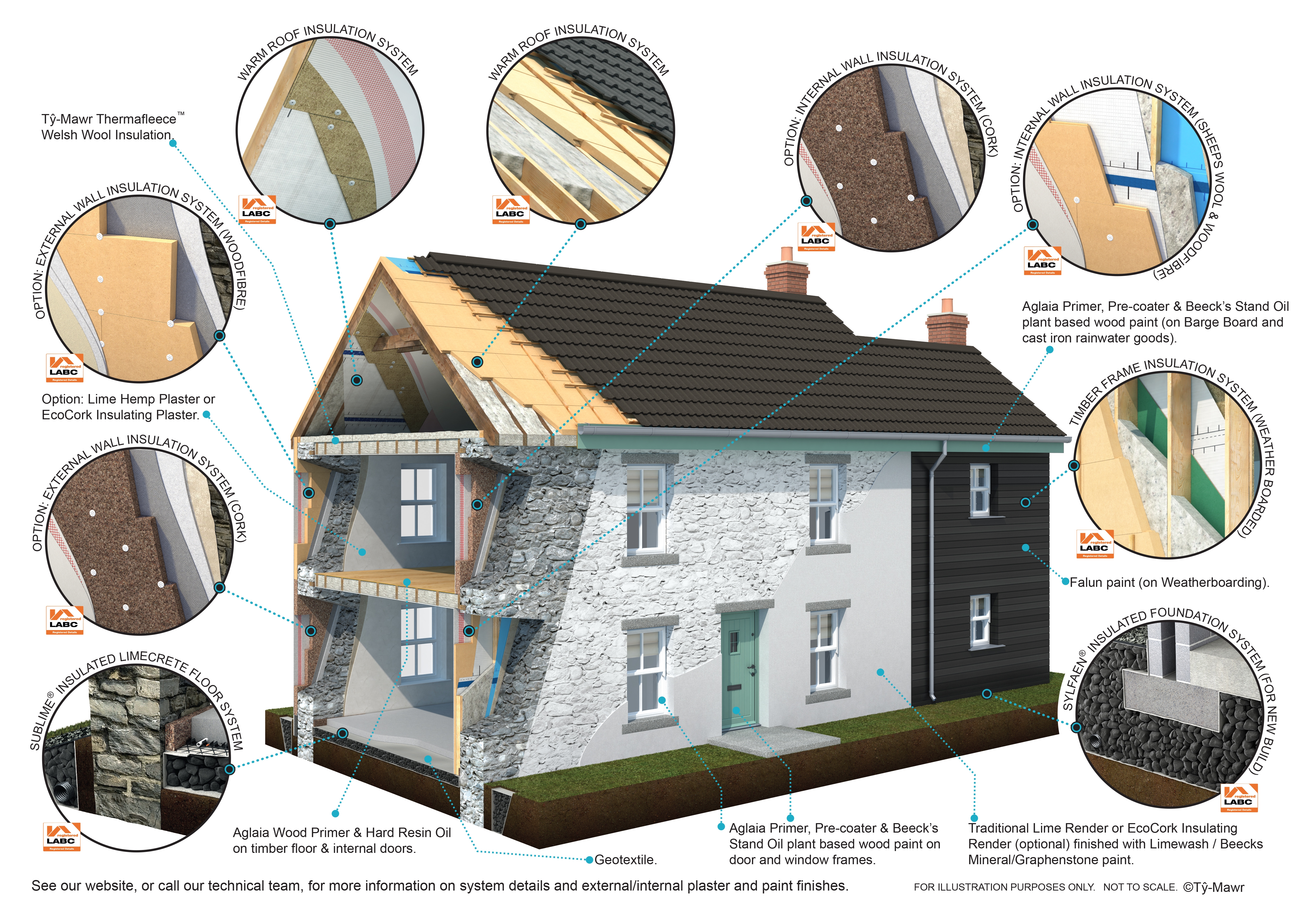
- Insulation Upgrades: Installing high-quality insulation is a fundamental step in retrofitting. It helps maintain temperature, leading to reduced demand for heating and cooling.
- Window Replacements: Upgrading to double or triple-glazed windows can significantly improve a building's energy performance by minimizing heat loss.
- HVAC Systems Overhaul: Modern heating, ventilation, and air conditioning systems are designed for optimal energy use, a crucial upgrade for old buildings.
- Smart Lighting: Incorporating LED lighting and smart controls that adjust based on occupancy and daylight contribute to energy savings.
- Renewable Energy Sources: Installing solar panels or connecting to renewable energy grids helps reduce a building’s carbon footprint.
Balancing Preservation with Modernization
Retrofitting old buildings requires a delicate balance between preserving historical elements and integrating modern technology:
- Assessment and Planning: A thorough assessment of the building's current condition and historical significance guides the retrofitting process.
- Material Compatibility: Using materials that match or complement the building’s original construction ensures that upgrades do not detract from its historical character.
- Technological Integration: Modern systems must be integrated seamlessly, often hidden from view to maintain aesthetic integrity.
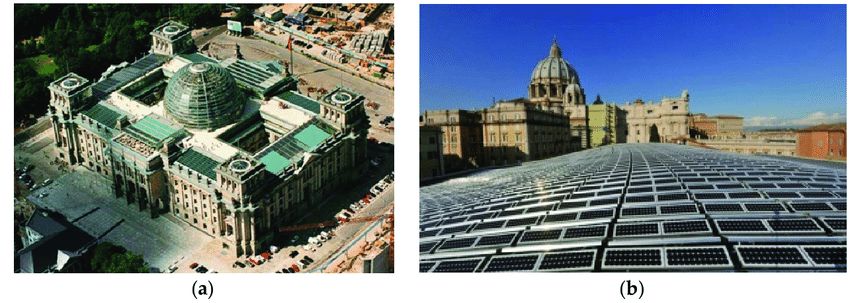
Case Studies in Successful Retrofitting
Across the globe, there are numerous success stories of retrofitting:
- The Empire State Building: This iconic skyscraper underwent a retrofit that included window refurbishments and a chiller plant overhaul, resulting in significant energy savings.
- The White House: America's most famous residence has seen multiple retrofitting initiatives, including updated HVAC systems and solar panel installations.
- St. Pancras Renaissance Hotel: Located in London, this Gothic Revival masterpiece was given new life with modern amenities while preserving its historic essence.
Challenges in Retrofitting
Despite the clear benefits, retrofitting comes with challenges:
- Structural Limitations: Older buildings may have structural limitations that complicate the installation of new systems.
- Cost: Retrofitting can be expensive, and finding funding can be challenging, particularly for heritage buildings.
- Regulatory Hurdles: Navigating building codes and preservation regulations requires expertise and often lengthy negotiations.
The Future of Retrofitting
The future looks bright for retrofitting as it becomes an integral part of urban development and sustainability efforts. Innovations in materials and construction technology continue to expand the possibilities for energy efficiency and preservation.
Conclusion
Retrofitting old buildings encapsulates the ethos of sustainable development: respecting our past while building our future. Through the judicious application of civil engineering principles, we can ensure that the historical treasures of our built environment endure—not as relics of bygone eras, but as living monuments to ingenuity and resilience.