
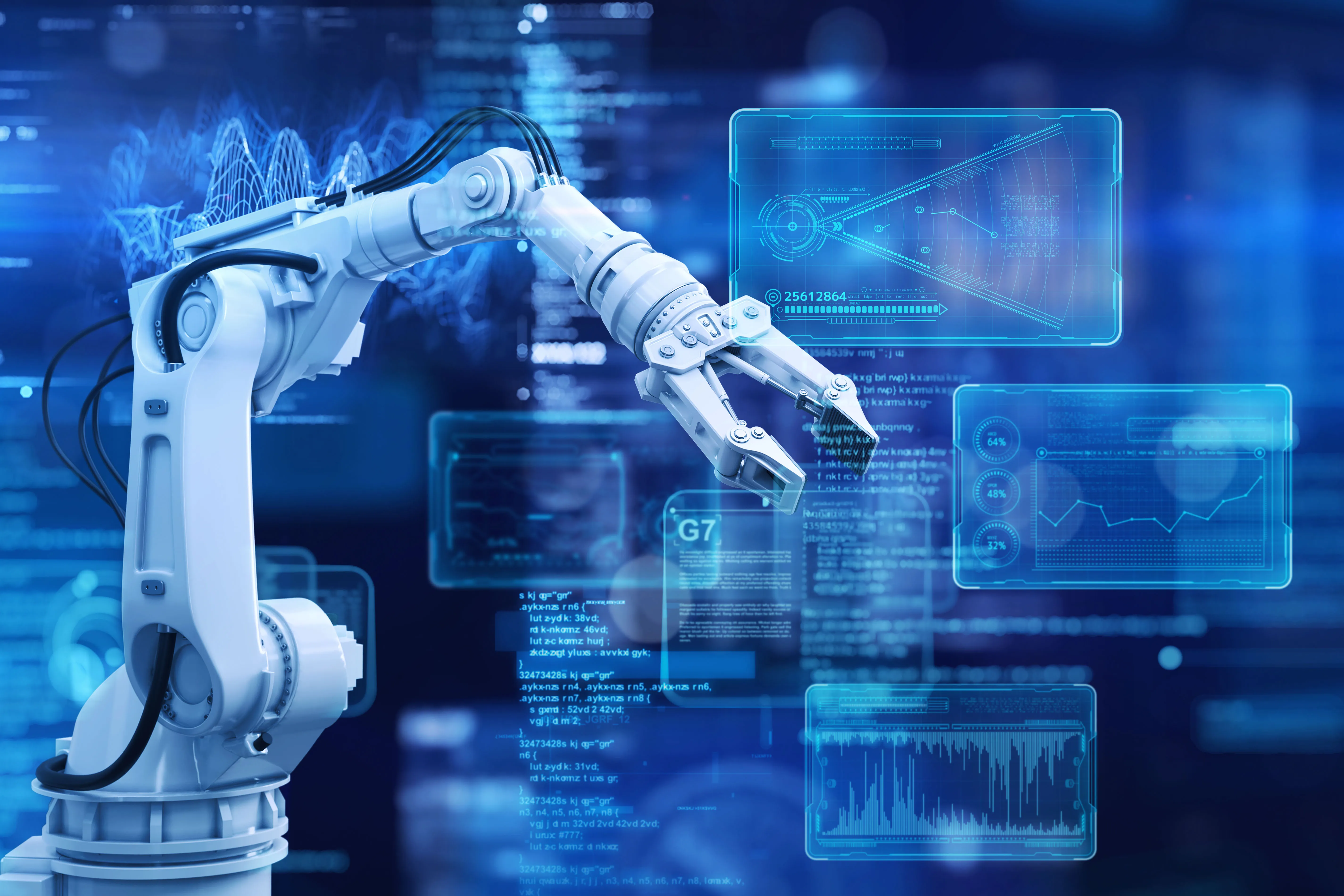
In the vast arena of modern engineering, two champions stand out, consistently making headlines and catalyzing paradigm shifts: Robotics and Artificial Intelligence (AI). Their convergence is reshaping industries, augmenting human capabilities, and promising a future previously seen only in sci-fi realms. Yet, as with all revolutionary changes, this duo brings along a mixture of opportunities and challenges.
In the vast arena of modern engineering, two champions stand out, consistently making headlines and catalyzing paradigm shifts: Robotics and Artificial Intelligence (AI). Their convergence is reshaping industries, augmenting human capabilities, and promising a future previously seen only in sci-fi realms. Yet, as with all revolutionary changes, this duo brings along a mixture of opportunities and challenges.
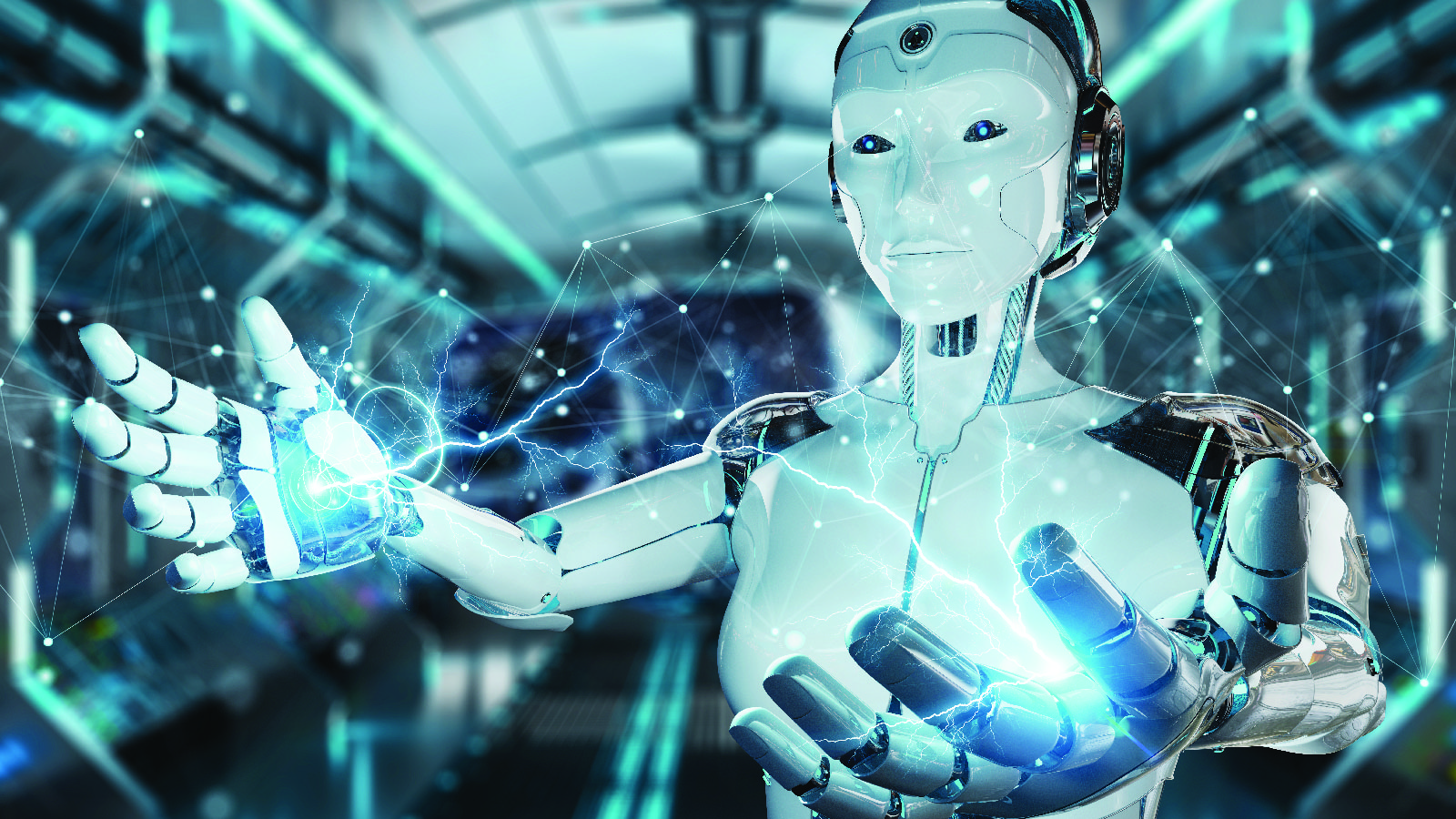
Unveiling the Power Duo: Robotics and AI
Robotics, the design and creation of robots, and AI, the simulation of human intelligence in machines, when combined, create robots that can not only perform tasks but also think, learn, and make decisions.
Opportunities Presented by Robotics and AI in Engineering:
Enhanced Precision and Efficiency: Robotics, when infused with AI, can perform repetitive tasks more quickly and with better precision than humans.
Hazardous Task Performance: Robots can operate in environments too dangerous for humans, such as deep-sea exploration or space missions.
Data Handling and Analysis: AI algorithms can process vast amounts of data at breakneck speeds, providing invaluable insights in fields such as civil engineering and construction.
Innovative Solutions: From self-healing materials in civil engineering to AI-driven aerodynamic designs in aerospace, the boundaries of what's possible are continually being expanded.
Challenges Looming on the Horizon:
Job Displacement: As robots take over more tasks, there's a growing concern about human job losses across sectors.
Ethical Dilemmas: Decisions made by AI can sometimes lack human moral considerations, leading to ethical issues, especially in critical applications like medical or military use.
High Initial Costs: Setting up AI-driven robotic systems can be expensive, potentially limiting their adoption in smaller firms or developing regions.
Dependency and Vulnerability: Over-reliance on these systems can lead to vulnerabilities, especially if they malfunction or are subjected to cyber-attacks.
Navigating the Future Landscape: Preparations and Forethought
Reskilling and Upskilling: While some jobs might be displaced, new roles will emerge. Investing in training programs can help the workforce transition smoothly.
Ethical Guidelines: Establishing robust ethical frameworks for AI-driven decisions can mitigate potential moral dilemmas.
Interdisciplinary Collaboration: Combining expertise from various fields can lead to more holistic solutions that consider the broader implications of AI and robotics.
Conclusion:
The blend of robotics and AI in modern engineering is a testament to humanity's relentless quest for innovation. While the duo paves the way for monumental advancements, it's imperative to approach with a balanced perspective. By celebrating the opportunities and diligently addressing challenges, we can harness the full potential of robotics and AI, crafting a future where technology and humanity coexist harmoniously.