
The future of construction is witnessing a significant shift with the advent of self-healing materials. This innovative class of materials is capable of automatically repairing damage, thereby significantly enhancing the durability and longevity of infrastructure. From concrete to coatings and polymers, self-healing materials are poised to revolutionise the construction industry.
The future of construction is witnessing a significant shift with the advent of self-healing materials. This innovative class of materials is capable of automatically repairing damage, thereby significantly enhancing the durability and longevity of infrastructure. From concrete to coatings and polymers, self-healing materials are poised to revolutionise the construction industry.
The Concept of Self-Healing Materials
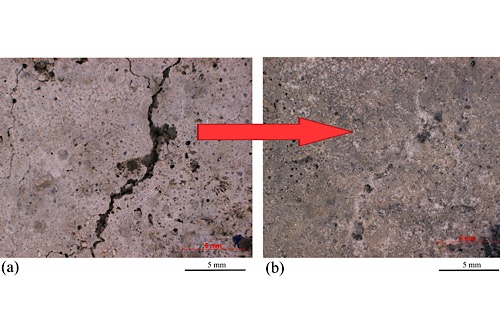
Self-healing materials are designed to automatically repair damage without human intervention. This self-repair mechanism can be triggered by various factors like changes in temperature, light, or specific chemicals. The technology is inspired by biological systems, such as human skin, which can heal themselves after being wounded.
Types of Self-Healing Materials in Construction
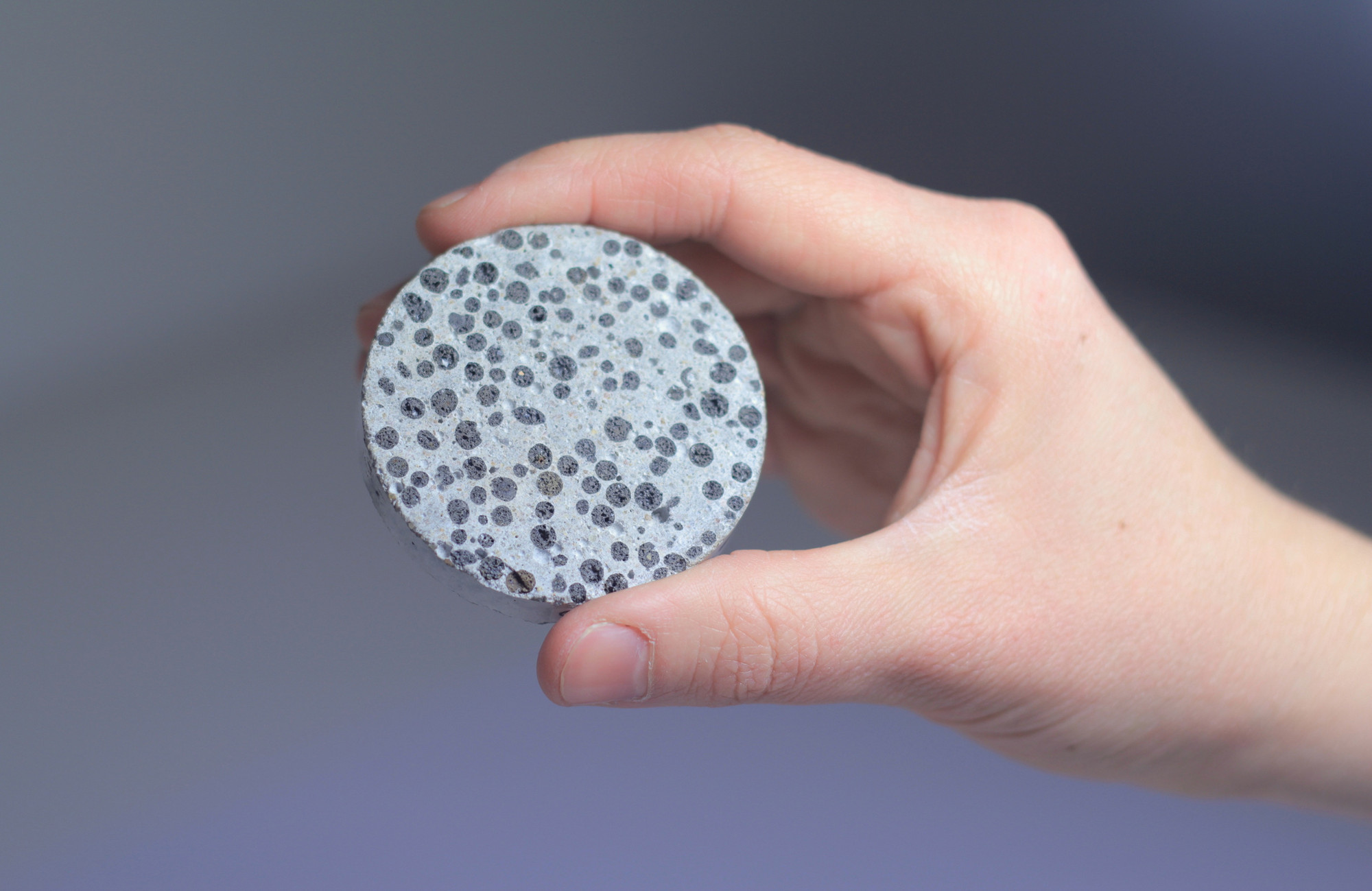
Self-Healing Concrete: Infused with healing agents like bacteria or microcapsules containing healing substances, which get activated when cracks appear.
Self-Healing Polymers and Coatings: These materials can repair scratches, cracks, or other damages through chemical or thermal reactions.
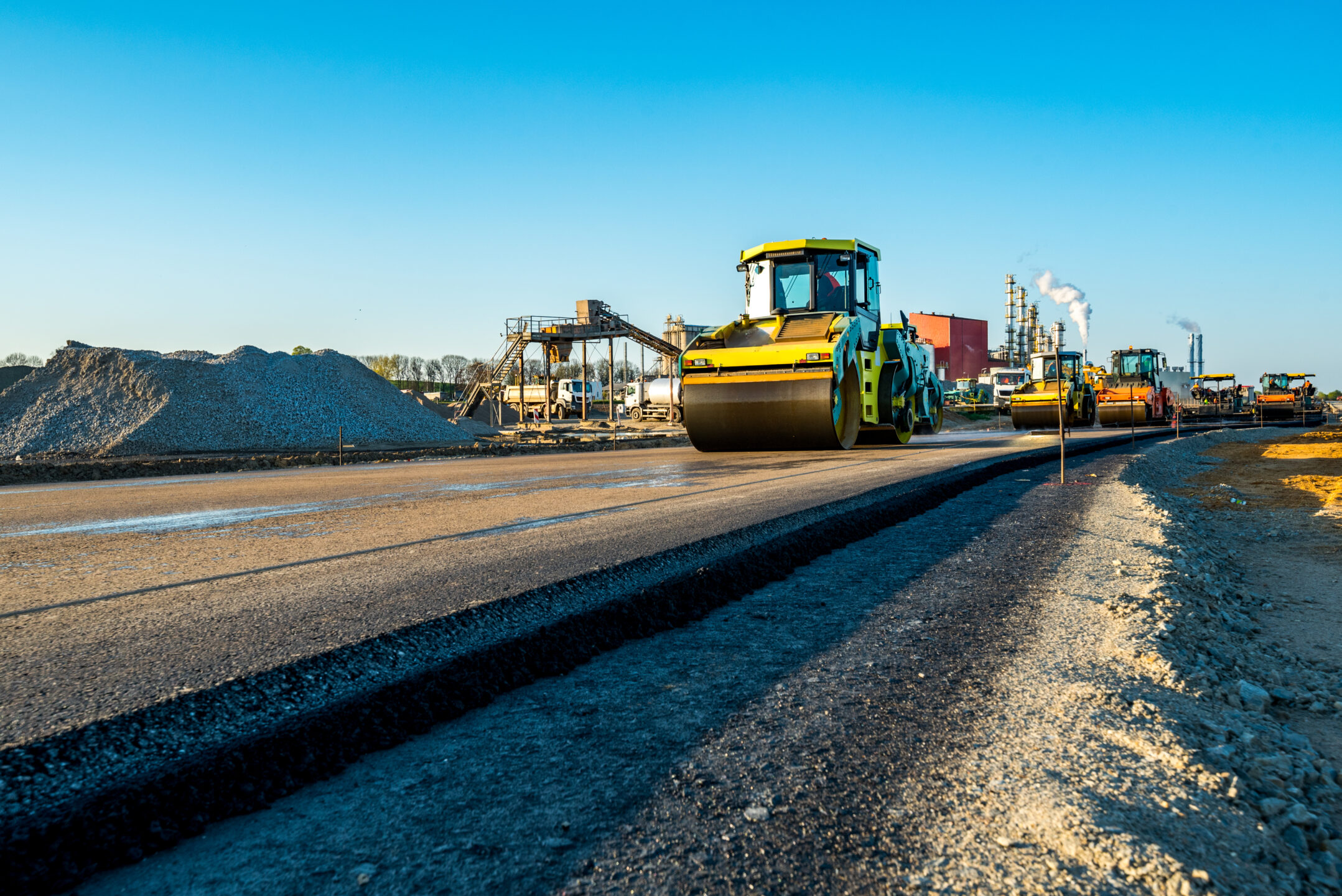
Self-Healing Asphalt: Used in road construction, it contains a bitumen-based healing agent that helps in closing cracks and potholes.
Benefits of Self-Healing Materials
Increased Durability: Self-healing materials can significantly extend the life of structures by repairing minor damage that can develop into serious problems over time.
Reduced Maintenance Costs: The ability to self-repair reduces the need for frequent maintenance and inspections, resulting in cost savings.
Improved Safety: By preventing the development of small damages into major structural failures, these materials enhance the safety of buildings and infrastructure.
Environmental Sustainability: Extending the life of structures reduces the need for new construction materials, thereby lowering carbon emissions and conserving resources.
Challenges in Developing Self-Healing Materials
Despite their potential, self-healing materials face several challenges:
High Production Costs: The manufacturing process of self-healing materials can be complex and costly.
Effectiveness and Reliability: Ensuring consistent and reliable healing across various conditions and over long periods is challenging.
Integration into Existing Construction Practices: Adapting current construction methods to incorporate self-healing materials requires careful planning and testing.
Case Studies and Real-World Applications
Self-Healing Concrete in Infrastructure Projects: Trials in various countries, including the Netherlands, have demonstrated the effectiveness of self-healing concrete in extending the life of structures.
Roads with Self-Healing Asphalt: Pilot projects are testing the feasibility of using self-healing asphalt for more durable and longer-lasting road surfaces.
The Future of Self-Healing Materials in Construction
The future of self-healing materials in construction is bright and holds immense potential. With ongoing research and development, these materials will become more cost-effective and reliable. They are set to play a crucial role in creating sustainable and resilient urban infrastructure.
Conclusion
Self-healing materials represent a significant advancement in the field of construction. By enhancing the durability, safety, and sustainability of structures, these materials are not just solving immediate problems but are paving the way for a more resilient and efficient future in infrastructure development. As the construction industry continues to evolve, the integration of self-healing materials is likely to become standard practice, marking a new era in building and infrastructure design.