


Smart Materials in Construction: How new materials are changing the way we build and design urban spaces
In the realm of construction, the materials used define not just the durability and functionality of a structure, but also its environmental impact and aesthetic appeal. The advent of smart materials in construction is a significant leap forward, offering transformative possibilities for the industry. These materials are changing the way we build, design, and interact with urban spaces, making them more efficient, sustainable, and adaptive.
What Are Smart Materials?
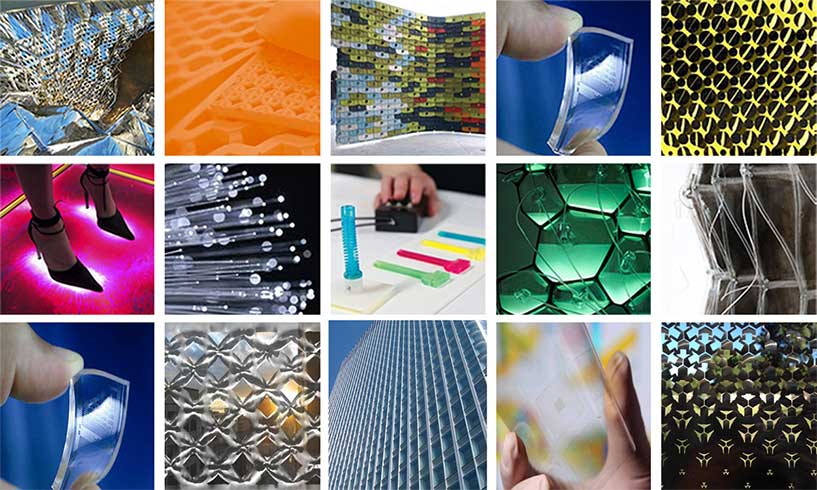
Smart materials are engineered to have properties that can change in a controlled manner under external stimuli, such as stress, temperature, moisture, pH, or magnetic fields. This adaptability opens up new frontiers in construction, where buildings can respond dynamically to their environment.
Revolutionizing Construction with Smart Materials
- Self-Healing Concrete: Infused with bacteria that produce limestone, self-healing concrete can automatically fill cracks that develop, significantly increasing the structure's lifespan.
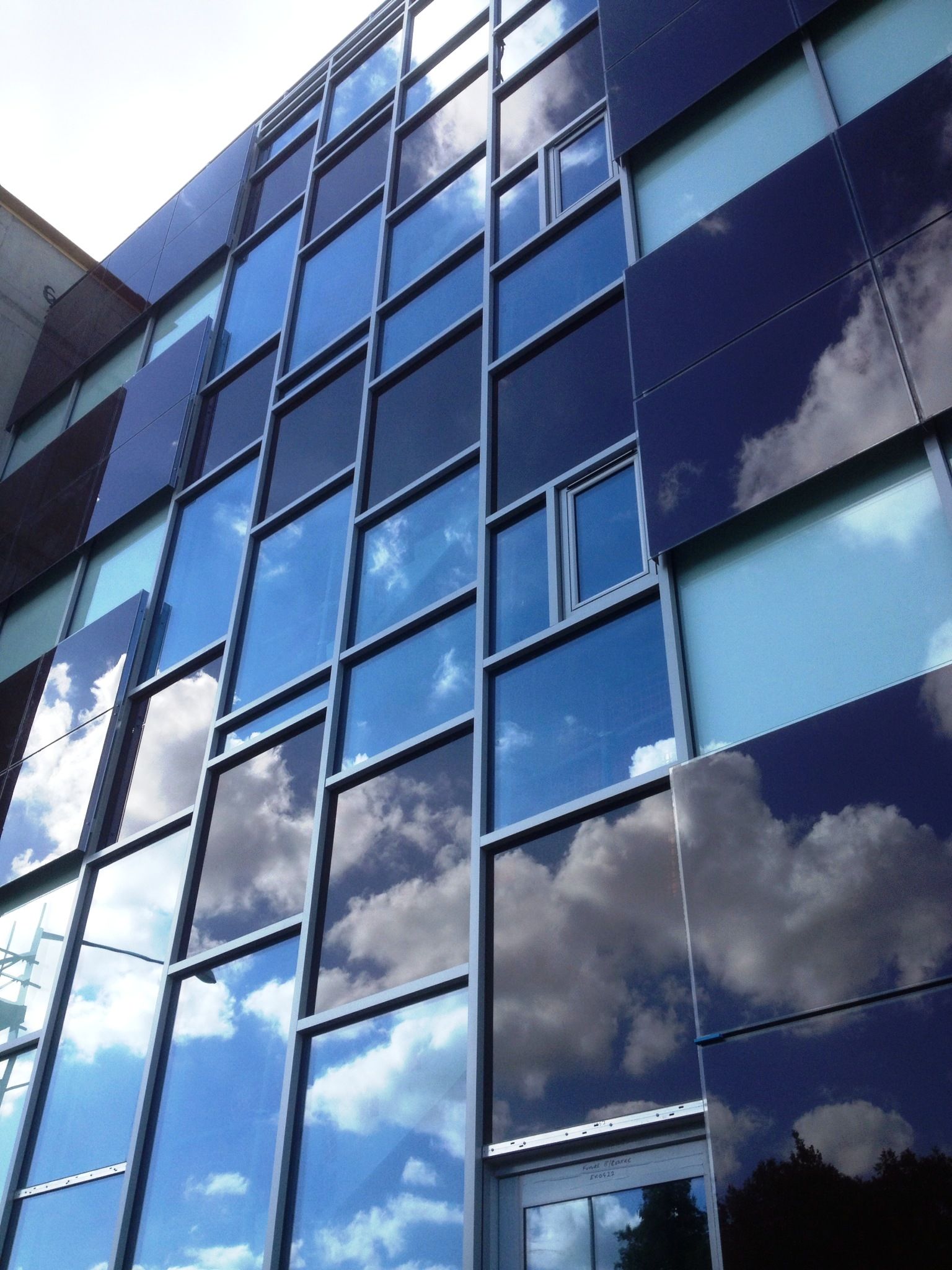
- Thermal Responsive Materials: These materials adjust their properties based on temperature changes. For instance, windows that darken to reduce heat gain in bright sunlight, thereby reducing cooling costs.
- Shape Memory Alloys: Used in structures, these alloys can return to their original shape after deformation, which is particularly valuable in areas prone to earthquakes.
- Aerogels: Known for their light weight and insulating properties, aerogels are being used for enhanced thermal insulation in buildings.
- Photovoltaic Glass: Turning entire buildings into solar panels, this glass generates electricity while allowing light to pass through, combining energy generation with aesthetics.
The Impact of Smart Materials
1. Energy Efficiency: By optimizing energy use, smart materials contribute to the sustainability of buildings. This is especially pertinent in the context of global warming and the need to reduce greenhouse gas emissions.
2. Durability and Safety: Enhanced durability means fewer resources and less labor are needed for repairs and maintenance. In the case of materials like shape memory alloys, there’s also a direct impact on safety.
3. Aesthetic Flexibility: Smart materials offer new possibilities in architectural design, allowing structures to change color or texture, and thus enhancing the visual dynamics of urban spaces.
Challenges in the Adoption of Smart Materials
Despite their benefits, several challenges hinder the widespread adoption of smart materials in construction:
- High Costs: The initial cost of smart materials can be higher than traditional materials, though this is often offset by long-term savings.
- Technical Know-How: Implementing these materials effectively requires a deep understanding of their properties and potential applications.
- Regulatory Hurdles: Building codes and regulations may not always keep pace with technological advancements, making it difficult to integrate some smart materials into construction projects.
Case Studies and Future Prospects
Several innovative projects have successfully integrated smart materials:
- The Edge in Amsterdam: Dubbed the world’s smartest building, it uses an array of environmentally friendly technologies and materials to reduce its energy usage.
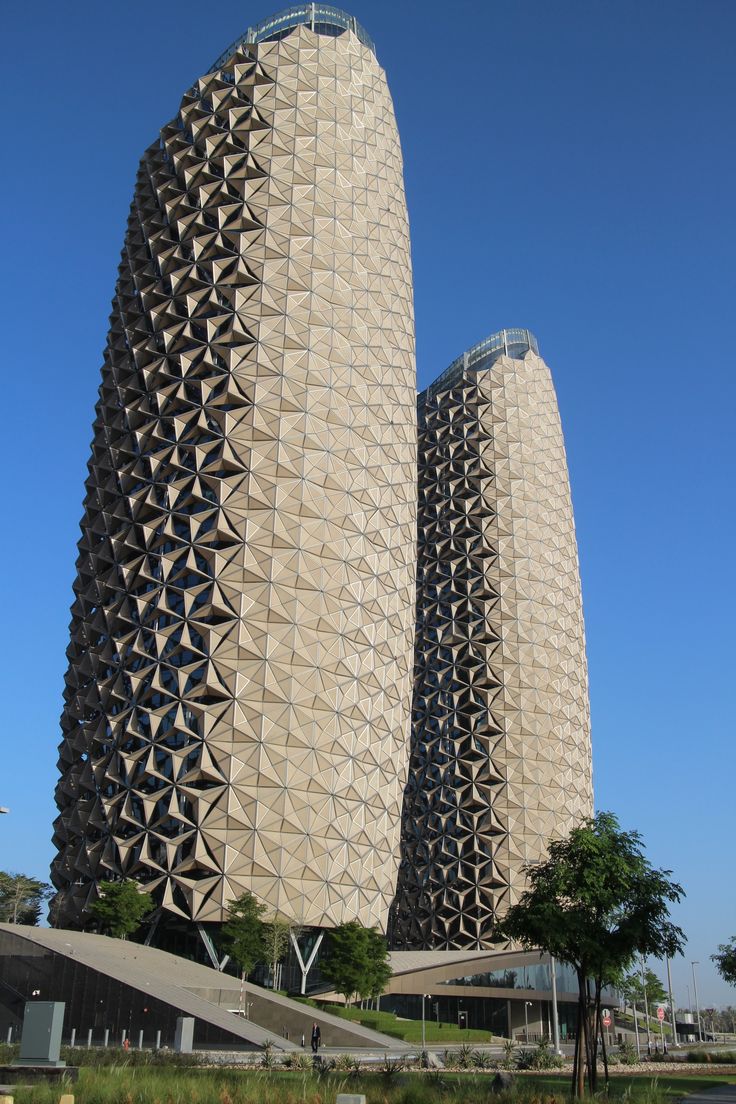
- The Al Bahar Towers in Abu Dhabi: These towers feature a dynamic facade made of geometric patterns that open and close in response to the sun’s movement, reducing heat intake and thus cooling requirements.
Conclusion
The future of construction lies in the integration of smart materials. As we grapple with environmental challenges and strive for greater efficiency and resilience, these materials are not just an option but a necessity. They signify a shift towards more intelligent, responsive, and sustainable urban development. The full potential of smart materials in construction is just beginning to be realized, and their role in shaping the cities of the future is both exciting and indispensable.