


Smart Traffic Management Systems: Redefining Urban Mobility
In the age of rapid urbanization, traffic congestion has become an all-too-familiar challenge for cities worldwide. However, emerging technologies such as Artificial Intelligence (AI) and the Internet of Things (IoT) are revolutionizing traffic management, paving the way for smarter, more efficient urban mobility. By harnessing these technologies, cities are not only addressing congestion but also enhancing the overall quality of urban life.
The Evolution of Traffic Management
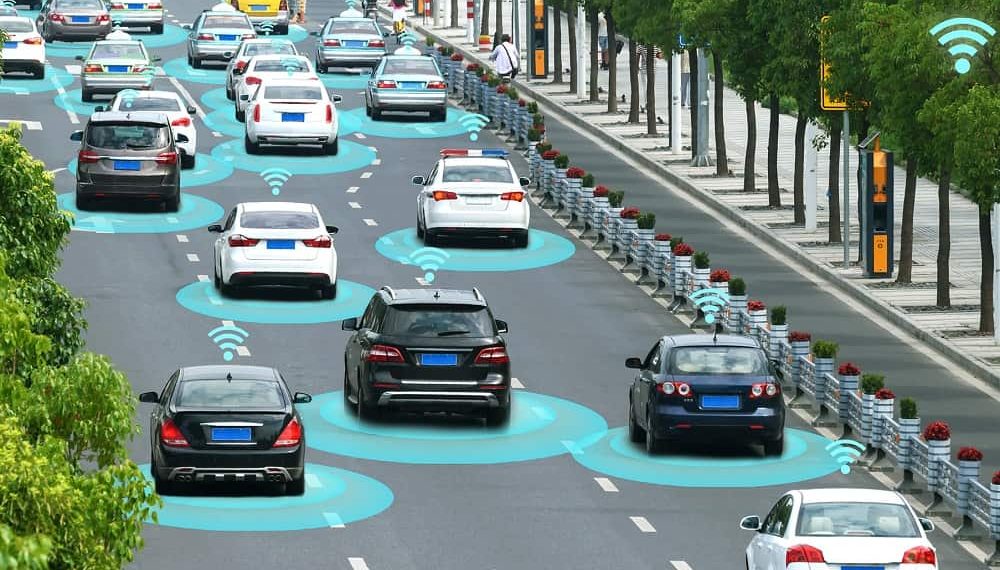
Traffic management has evolved significantly over the years. From manual traffic control to the use of simple traffic lights, and now to the age of digitalization, each stage has brought improvements in managing urban traffic flow. Today, smart traffic management systems represent the next step in this evolution.
How AI and IoT are Transforming Traffic Management
- AI-Powered Traffic Signal Control: AI algorithms analyze traffic patterns in real-time to adjust traffic signals, reducing wait times and improving traffic flow.
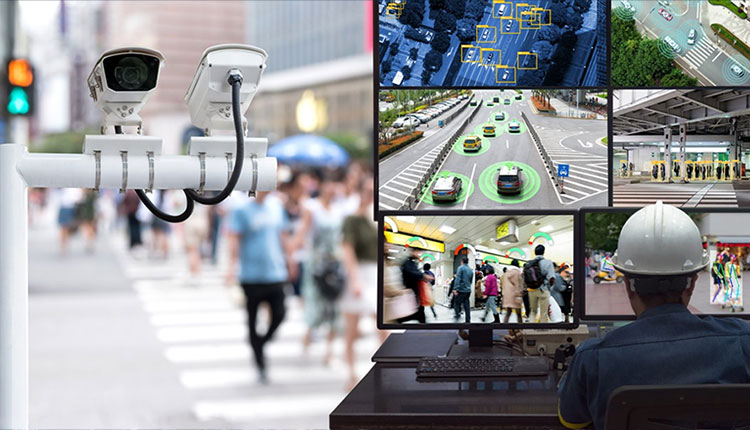
- IoT for Real-Time Data Collection: IoT devices such as sensors and cameras collect data on traffic volume, vehicle types, and pedestrian movement, providing a comprehensive view of city traffic.
- Predictive Analytics for Traffic Forecasting: By analyzing historical data, AI can predict traffic congestion patterns, helping in proactive traffic management.
- Integrated Mobility: Smart traffic systems integrate various modes of transport, providing real-time updates and routing suggestions to commuters.
Benefits of Smart Traffic Management Systems
Smart traffic management systems offer numerous benefits:
- Reduced Congestion: By optimizing traffic signals and routes, these systems can significantly reduce congestion, leading to shorter travel times.
- Lower Emissions: Efficient traffic flow leads to reduced idling and stop-and-go traffic, which in turn lowers vehicle emissions.
- Enhanced Safety: Smart systems can identify potential accident hotspots and improve safety through better traffic control and pedestrian management.
- Economic Benefits: Reduced congestion and improved traffic flow contribute to economic efficiency by saving time and reducing transportation costs.
Challenges in Implementing Smart Traffic Systems
While the advantages are clear, there are challenges in the implementation of smart traffic management systems:
- High Costs: The initial setup of AI and IoT-based systems can be expensive, requiring significant investment from city authorities.
- Data Privacy Concerns: The collection and use of data by these systems raise concerns about privacy and data security.
- Infrastructure Integration: Integrating new technologies with existing traffic infrastructure can be complex and time-consuming.
- Public Acceptance: Convincing the public and stakeholders of the benefits and reliability of these systems is crucial for their success.
Global Examples of Smart Traffic Management
Cities around the world are adopting smart traffic management systems:
- Singapore’s Intelligent Transport System: Utilizes a range of technologies including smart cameras and sensors for efficient traffic management and commuter information.
- Los Angeles’ Adaptive Traffic Control System: One of the first cities to implement an AI-based traffic signal control system, significantly improving traffic flow and reducing travel times.
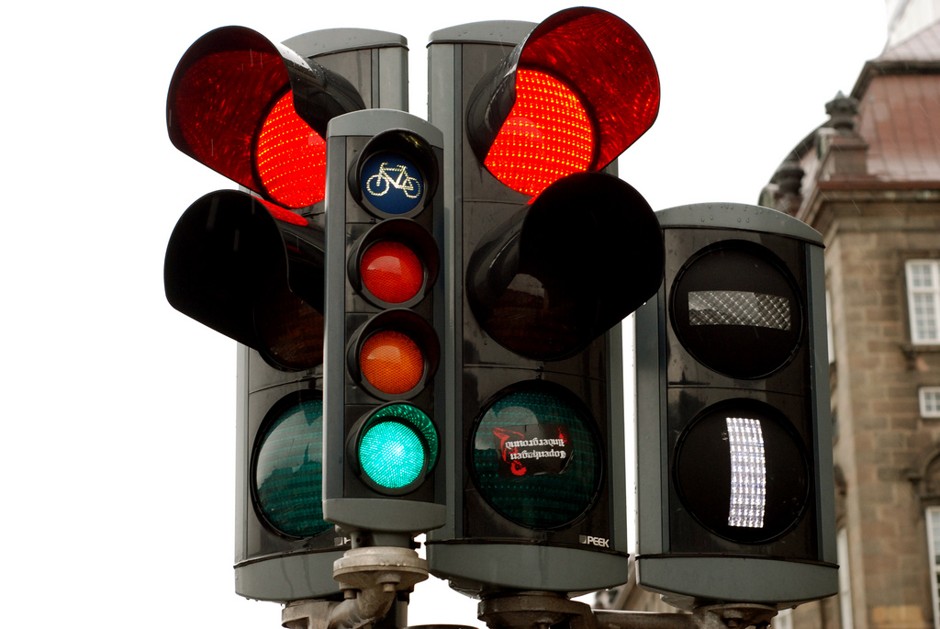
- Copenhagen’s Smart Traffic Lights: Prioritizes buses and bicycles, reducing commuting times for public transport users and cyclists.
The Future of Urban Mobility
Looking ahead, the integration of smart traffic management systems is set to become a standard feature of urban planning. As technology advances, these systems will become more sophisticated, further enhancing the efficiency of urban transportation networks.
Conclusion
Smart traffic management systems represent a significant leap forward in addressing the challenges of urban mobility. By leveraging AI and IoT technologies, these systems not only alleviate traffic congestion but also contribute to environmental sustainability, safety, and economic efficiency. As cities continue to grow and evolve, the adoption of smart traffic management is not just a luxury but a necessity for creating more livable, sustainable urban environments.