

Sustainable infrastructure is pivotal in the contemporary world where climate change is a prevailing concern. Civil engineers are at the forefront of designing and constructing infrastructure that is resilient, eco-friendly, and socially equitable. By integrating sustainability, they are not just building for today but are envisioning the world of tomorrow.
Sustainable infrastructure is pivotal in the contemporary world where climate change is a prevailing concern. Civil engineers are at the forefront of designing and constructing infrastructure that is resilient, eco-friendly, and socially equitable. By integrating sustainability, they are not just building for today but are envisioning the world of tomorrow.
Sustainable Design Principles:
Civil engineers incorporate sustainable design principles to reduce environmental impact. They optimise the use of natural resources, minimise waste, and create energy-efficient structures. The essence of sustainable design is to meet today’s needs without compromising the ability of future generations to meet theirs.
Material Innovation:
One of the key elements in sustainable infrastructure is the utilisation of eco-friendly materials. Civil engineers are innovating with materials like green concrete and recycled steel which have a lower carbon footprint, contributing to a reduction in overall environmental impact.

Water Management:
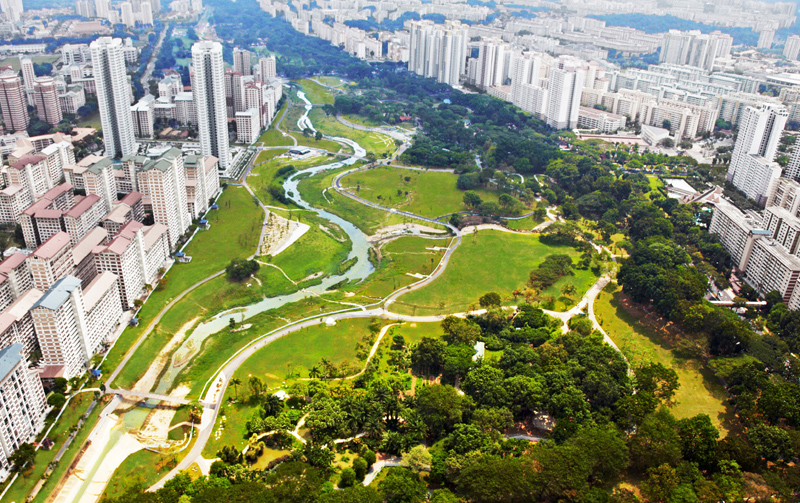
Proper water management is crucial in combating climate change. Civil engineers design systems to manage stormwater, reduce flooding, and prevent water pollution. Implementing green infrastructure solutions like rain gardens and permeable pavements are examples of sustainable water management practices in urban environments.
Energy Efficiency:
Civil engineers play a significant role in designing infrastructure that is energy-efficient. They integrate renewable energy sources, like solar and wind, and employ technologies to reduce energy consumption, thereby contributing to the reduction of greenhouse gas emissions.
Sustainable Urban Planning:
Urban areas are the hubs of economic activities and population, and they significantly impact the environment. Civil engineers are crucial in planning and developing sustainable urban areas, focusing on green spaces, public transport systems, and eco-friendly buildings, fostering communities that coexist harmoniously with the environment.
Resilience Building:
The escalating effects of climate change necessitate the construction of resilient infrastructures. Civil engineers are focusing on designing structures that can withstand extreme weather events and natural disasters, ensuring the long-term sustainability of communities and ecosystems.
Social Equity and Community Engagement:
Sustainable infrastructure goes beyond environmental considerations; it also involves social equity. Civil engineers work collaboratively with communities, understanding their needs and preferences, to develop inclusive and equitable infrastructure that enhances the quality of life for all.
Life Cycle Assessment:
Civil engineers incorporate life cycle assessment to evaluate the environmental impacts of infrastructure projects from conception to decommissioning. This comprehensive approach enables the identification and mitigation of adverse environmental effects throughout the life cycle of the project.
Regulatory Compliances and Certifications:
Adherence to environmental regulations and acquiring sustainability certifications like LEED are essential aspects of sustainable infrastructure development. Civil engineers ensure compliance with these norms and contribute to achieving certifications, substantiating the sustainability of the projects.
Conclusion:
The role of civil engineers in combating climate change through sustainable infrastructure is multifaceted and indispensable. From innovating with eco-friendly materials to integrating renewable energy sources and focusing on resilient and equitable designs, civil engineers are shaping a sustainable future. By embracing sustainable practices, civil engineers are not just addressing the environmental challenges but are also paving the way for social and economic sustainability, reinforcing the essence of holistic development in the infrastructural realm.