

The rise in global urbanisation and the pressing need to combat climate change have triggered a transformative movement towards sustainable transportation infrastructure. As cities grapple with congested roads, escalating pollution, and transportation inefficiencies, the focus has now shifted to creating systems that are not only efficient and resilient but also environmentally friendly.
The rise in global urbanisation and the pressing need to combat climate change have triggered a transformative movement towards sustainable transportation infrastructure. As cities grapple with congested roads, escalating pollution, and transportation inefficiencies, the focus has now shifted to creating systems that are not only efficient and resilient but also environmentally friendly.
1. The Paradigm of Sustainable Mobility:
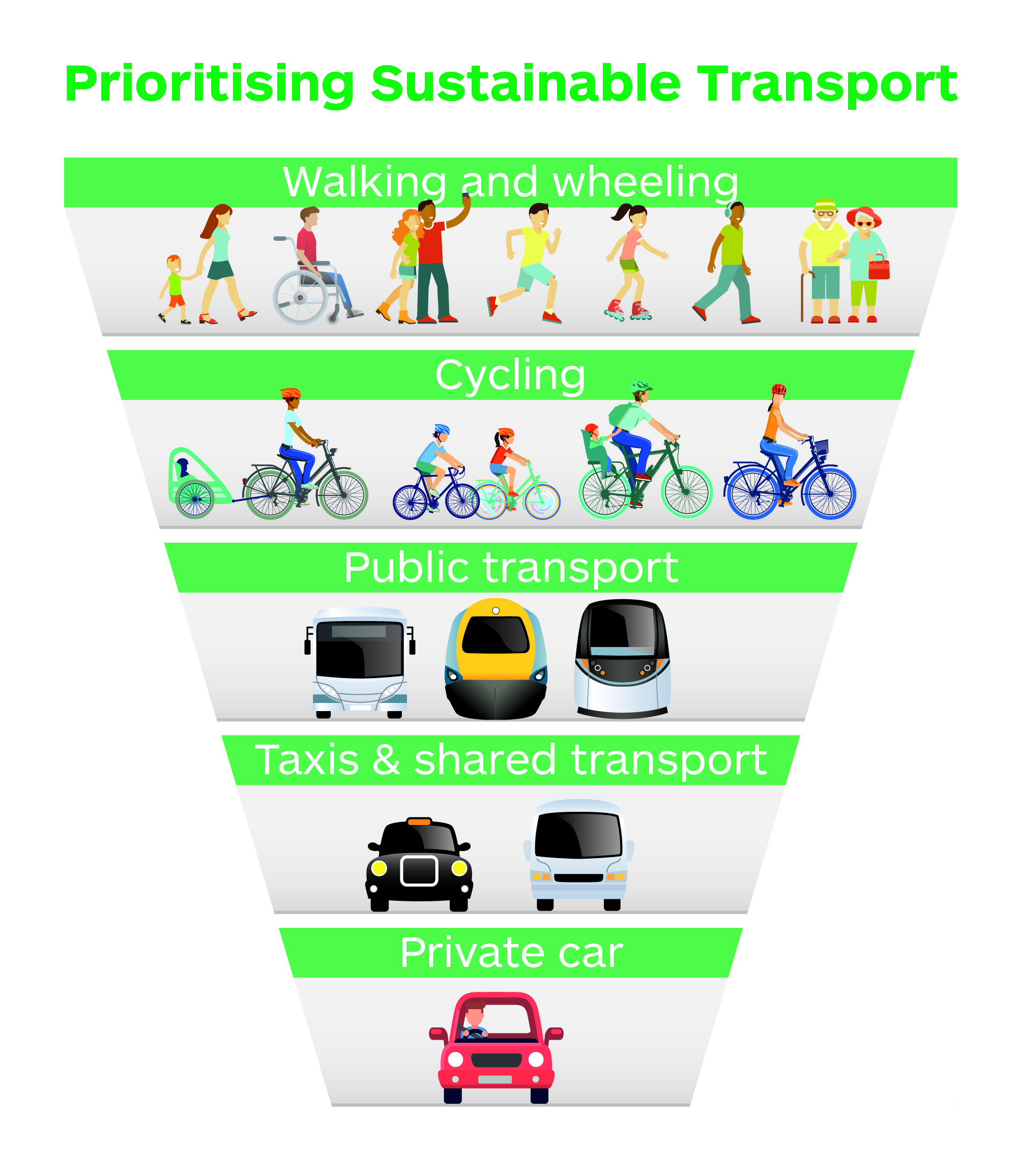
Sustainable transportation is rooted in the principle of meeting current transit needs without compromising the ability of future generations to meet their own needs. This entails reducing the transportation sector's carbon footprint, promoting alternative modes of transport, and ensuring accessibility and affordability for all.
2. Greening the Transit Systems:
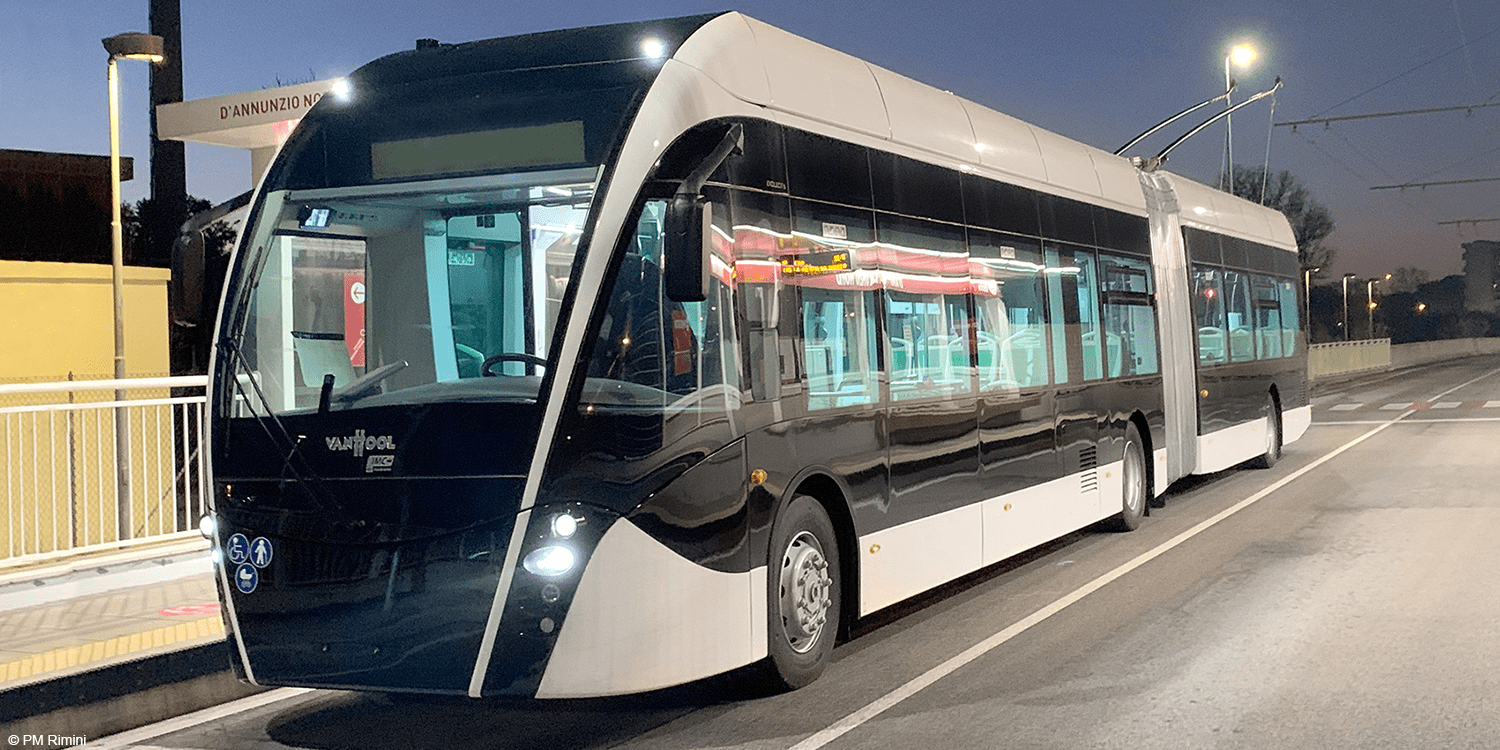
Electric buses, trams, and trains are stepping stones to a greener urban environment. Cities worldwide are transitioning from diesel-powered to electric public transit systems, which curtail greenhouse gas emissions, reduce air pollution, and operate more cost-effectively in the long run.
3. Pedestrian and Bicycle Infrastructure:
Promoting walking and cycling is at the heart of sustainable urban design. Dedicated bike lanes, pedestrian-only zones, and safe crossings encourage citizens to opt for these healthier and more environmentally friendly modes of transport. Furthermore, they significantly reduce traffic congestion and improve the overall urban living experience.
4. Integration of Renewable Energy:
Solar, wind, and hydroelectric power can play pivotal roles in powering transportation infrastructure. Examples include solar-powered bus stops, wind-powered charging stations for electric vehicles (EVs), and train stations powered by renewable energy sources.
5. Embracing Smart Technologies:
The integration of AI and IoT in transportation infrastructure leads to smarter traffic management, predictive maintenance, and real-time data analytics. Smart traffic signals optimise traffic flow, reducing idling times and emissions. Real-time data collection can provide insights into peak transit times, allowing for dynamic route adjustments.

6. Expanding Electric Vehicle (EV) Infrastructure:
With the automotive industry steering towards electric vehicles, the need for extensive EV charging networks becomes paramount. Conveniently located charging stations, fast-charging options, and incentives for EV drivers can propel the transition from fossil-fuel-powered vehicles to electric ones.
7. Multi-modal Transport Hubs:
These hubs, often situated in urban centres, allow for seamless transitions between different transportation modes, such as buses, trains, bicycles, and shared cars. They reduce transit times, enhance user convenience, and encourage the use of public transportation over private vehicles.
8. Sustainable Materials in Infrastructure Development:
Incorporating sustainable, recycled, or upcycled materials in constructing roads, bridges, and transportation hubs reduces the environmental footprint of these projects. Additionally, designs that consider the local climate and topography can further enhance the sustainability of transportation infrastructure.
Conclusion:
As the world looks forward to a more sustainable future, the transportation sector stands as a cornerstone in this transformation. By integrating technology, environmental principles, and urban design, cities can pave the way for a greener, more efficient, and inclusive mobility future. Through collaboration between governments, industries, and citizens, sustainable transportation infrastructure can shape the trajectory of urban growth and climate action.