
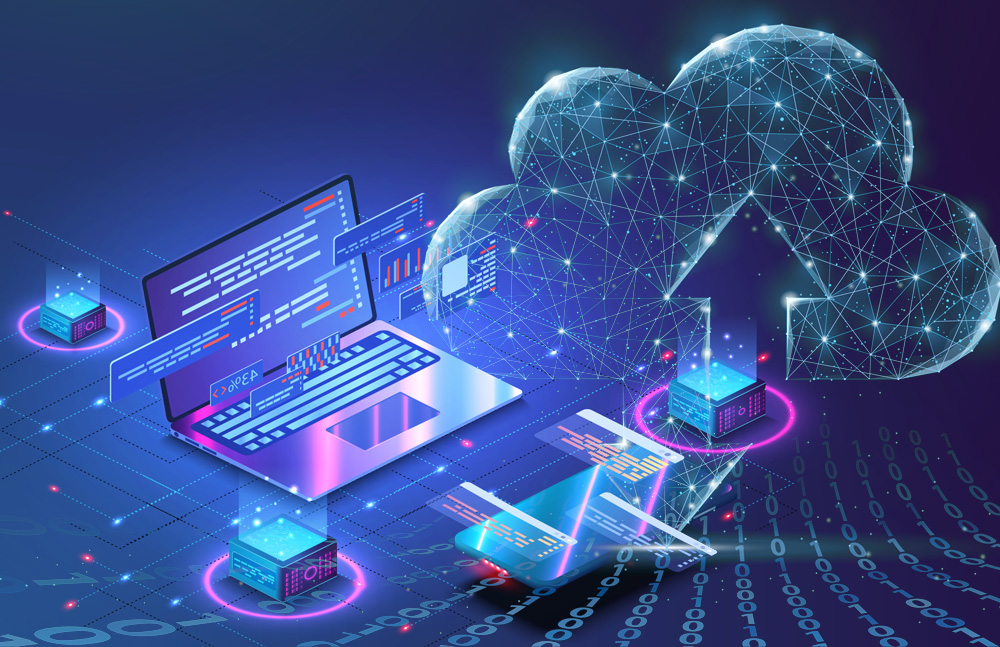
The Information Technology (IT) landscape is always evolving, but few trends have captivated the industry's attention quite like the rise of the Internet of Things (IoT) and Cloud Computing. When combined, these technologies herald a new era for IT infrastructure, promising unprecedented connectivity, efficiency, and data capabilities. In this piece, we will explore how the convergence of IoT and Cloud Computing is shaping the next generation of IT solutions.
The Information Technology (IT) landscape is always evolving, but few trends have captivated the industry's attention quite like the rise of the Internet of Things (IoT) and Cloud Computing. When combined, these technologies herald a new era for IT infrastructure, promising unprecedented connectivity, efficiency, and data capabilities. In this piece, we will explore how the convergence of IoT and Cloud Computing is shaping the next generation of IT solutions.
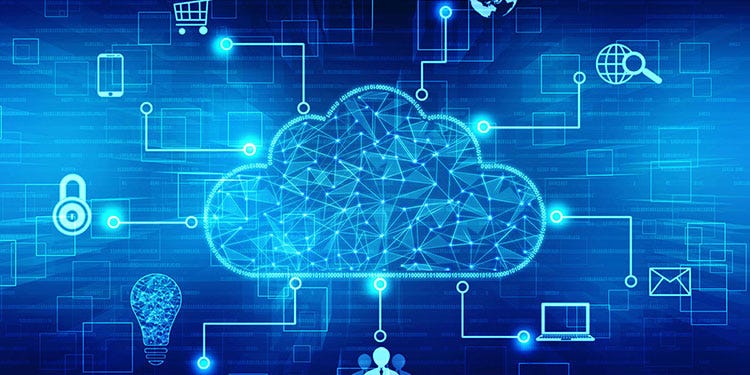
The Fundamentals: IoT and Cloud Computing
Before diving deep, let's briefly understand the core principles:
IoT (Internet of Things): Refers to the network of physical devices—from smart thermostats to factory sensors—connected to the internet, collecting and sharing data.
Cloud Computing: Provides on-demand delivery of computing services, including storage, processing power, and networking capabilities, usually over the internet and on a pay-as-you-go basis.
Why the Symbiotic Relationship?
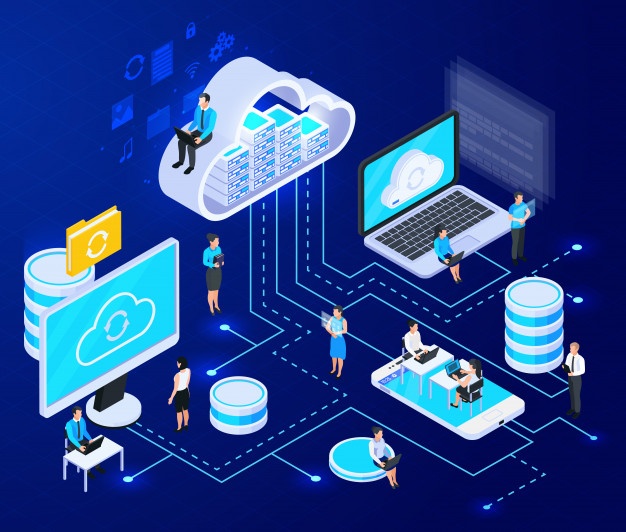
The rise of IoT has ushered in an explosion of data. Each device generates vast amounts of information that needs processing, storage, and analysis. This is where cloud computing comes in. With its scalable storage and powerful processing capabilities, the cloud is the perfect complement to the vast, sprawling network of IoT.
Benefits of the Convergence
Scalability: Cloud platforms can easily handle the vast amounts of data generated by countless IoT devices, scaling up or down as required.
Cost-Effective: By leveraging cloud services, businesses can avoid hefty upfront infrastructure costs.
Real-time Processing: The combination ensures that data from IoT devices can be processed in real-time on the cloud, allowing for immediate insights and actions.
Security: Leading cloud providers invest heavily in security measures, ensuring data from IoT devices is encrypted and stored securely.
Challenges Ahead
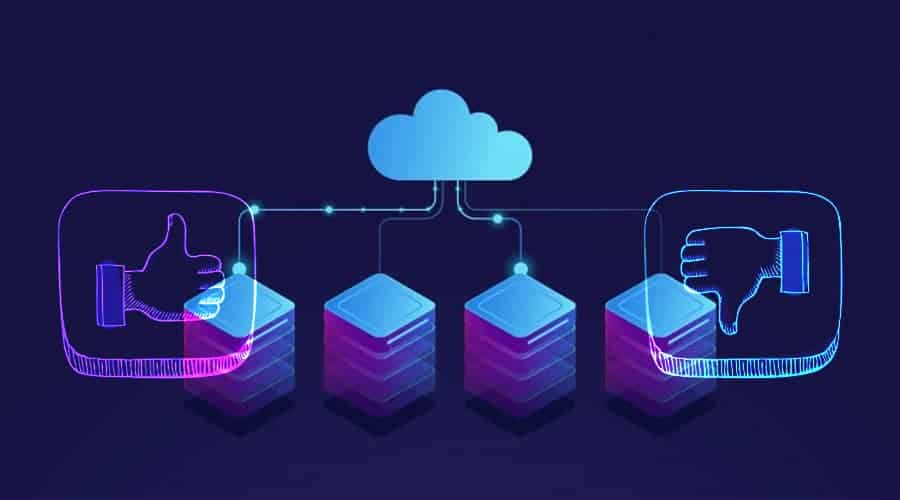
As with any technological evolution, the merger of IoT and cloud computing is not without its hurdles:
Data Privacy and Security: As more devices connect and share data, potential vulnerabilities can emerge.
Integration Issues: Ensuring that all IoT devices can seamlessly connect and communicate with varied cloud platforms can be challenging.
Latency Concerns: Real-time processing demands lightning-fast data transmission, which isn't always feasible given current infrastructures.
The Road Ahead: A Future Fueled by Integration
Imagine a world where your car communicates with your home's heating system, ensuring your living room is warm by the time you arrive. Or factories where equipment can predict when they're likely to break down and automatically order replacement parts. This is the potential of an IT infrastructure powered by IoT and cloud computing.
However, realising this vision requires collaboration. Hardware manufacturers, software developers, and cloud service providers must work together to create an integrated, seamless ecosystem. Furthermore, with concerns over data privacy growing, it's imperative that this ecosystem is built on a foundation of security and trust.
Conclusion
The convergence of IoT and cloud computing represents more than just a technological trend; it's a fundamental shift in how we interact with the world around us. As we stand at the crossroads of this digital revolution, one thing is clear: the future of IT infrastructure is bright, interconnected, and cloud-powered.