
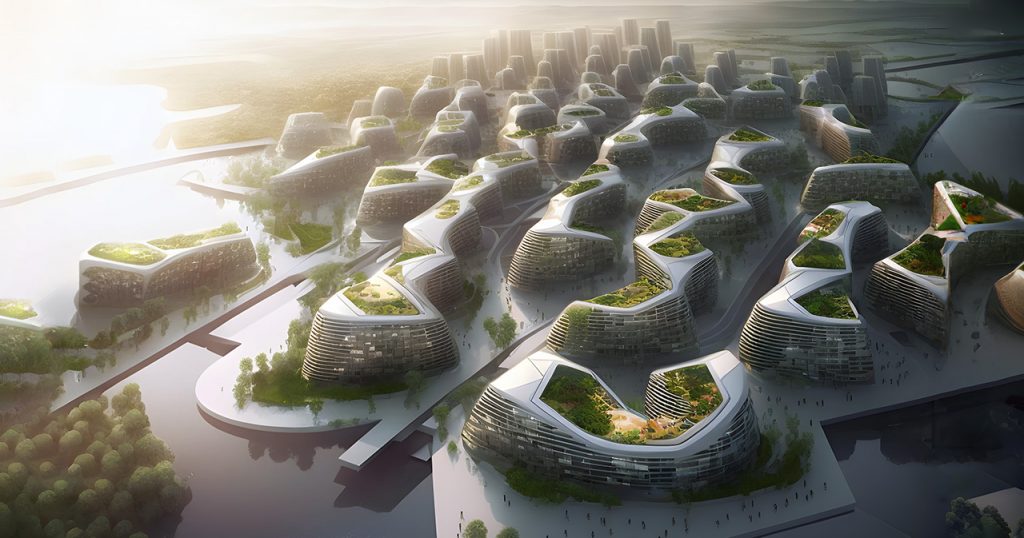
As land scarcity becomes increasingly pressing in urban areas, especially in coastal cities, the concept of floating infrastructure has emerged as a creative and practical solution. This approach encompasses the development of floating buildings, roads, and public spaces, offering an innovative way to utilise water bodies for urban expansion and resilience.
As land scarcity becomes increasingly pressing in urban areas, especially in coastal cities, the concept of floating infrastructure has emerged as a creative and practical solution. This approach encompasses the development of floating buildings, roads, and public spaces, offering an innovative way to utilise water bodies for urban expansion and resilience.
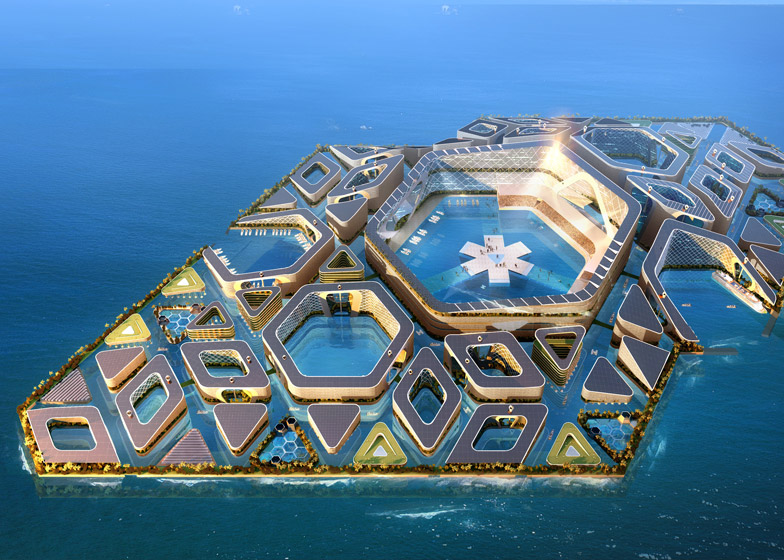
Understanding Floating Infrastructure
Floating infrastructure refers to various types of constructions, including residential buildings, commercial complexes, roads, and recreational areas, that are designed to float on water. These structures are typically built on large platforms that are anchored to the seabed or riverbed and can be stationary or mobile.
Design and Construction of Floating Infrastructure
Innovative Materials and Techniques: Floating infrastructure often utilises lightweight and durable materials, such as reinforced concrete and modern plastics that are buoyant and resistant to water.
Modular Design: Many floating constructions employ a modular design, allowing for flexibility and scalability in development.
Sustainable Features: Incorporating green technologies, such as solar panels, rainwater harvesting, and water purification systems, is common in floating structures to enhance sustainability.
Benefits of Floating Infrastructure
Addressing Land Scarcity: Floating infrastructure provides an alternative solution to the issue of limited land availability in urban areas.
Climate Resilience: These structures can be inherently resilient to rising sea levels and flooding, making them suitable for regions prone to such climate risks.
Creating Unique Urban Spaces: Floating constructions offer unique recreational and living experiences, potentially boosting tourism and community engagement.
While floating infrastructure offers numerous benefits, it also poses specific challenges:
Engineering and Safety: Ensuring the structural integrity and safety of floating constructions, especially in adverse weather conditions, requires advanced engineering solutions.
Regulatory and Legal Issues: Navigating the legal and regulatory frameworks related to construction on water can be complex.
Environmental Impact: Care must be taken to minimise the impact on aquatic ecosystems and water quality.
Cost and Accessibility: The development of floating infrastructure can be expensive, and ensuring accessibility for all remains a challenge.
Global Examples of Floating Infrastructure
Several cities around the world have already started exploring floating infrastructure:
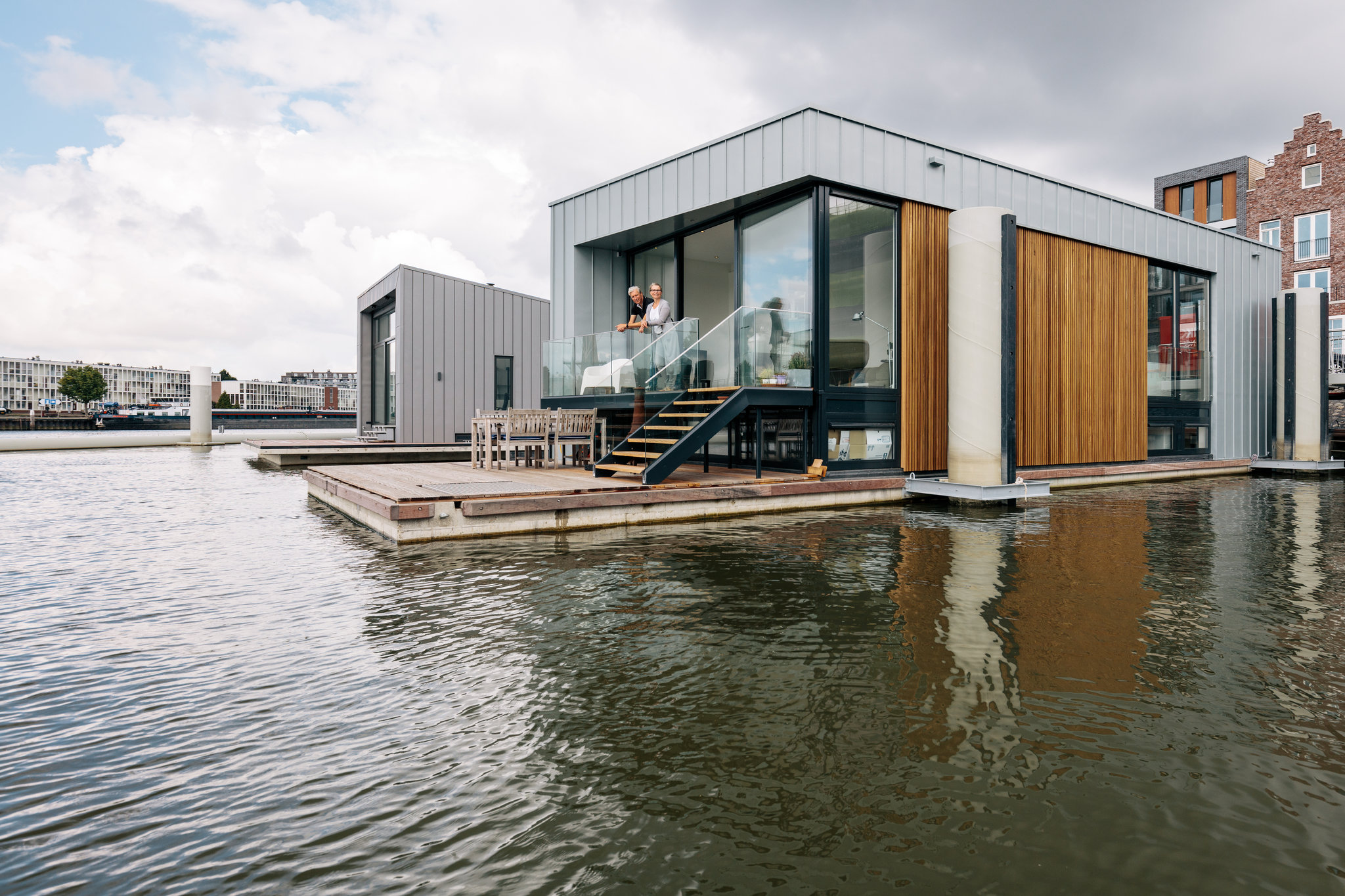
Floating Homes in the Netherlands: The Netherlands, facing land scarcity and flood risk, has pioneered in developing floating homes and communities.
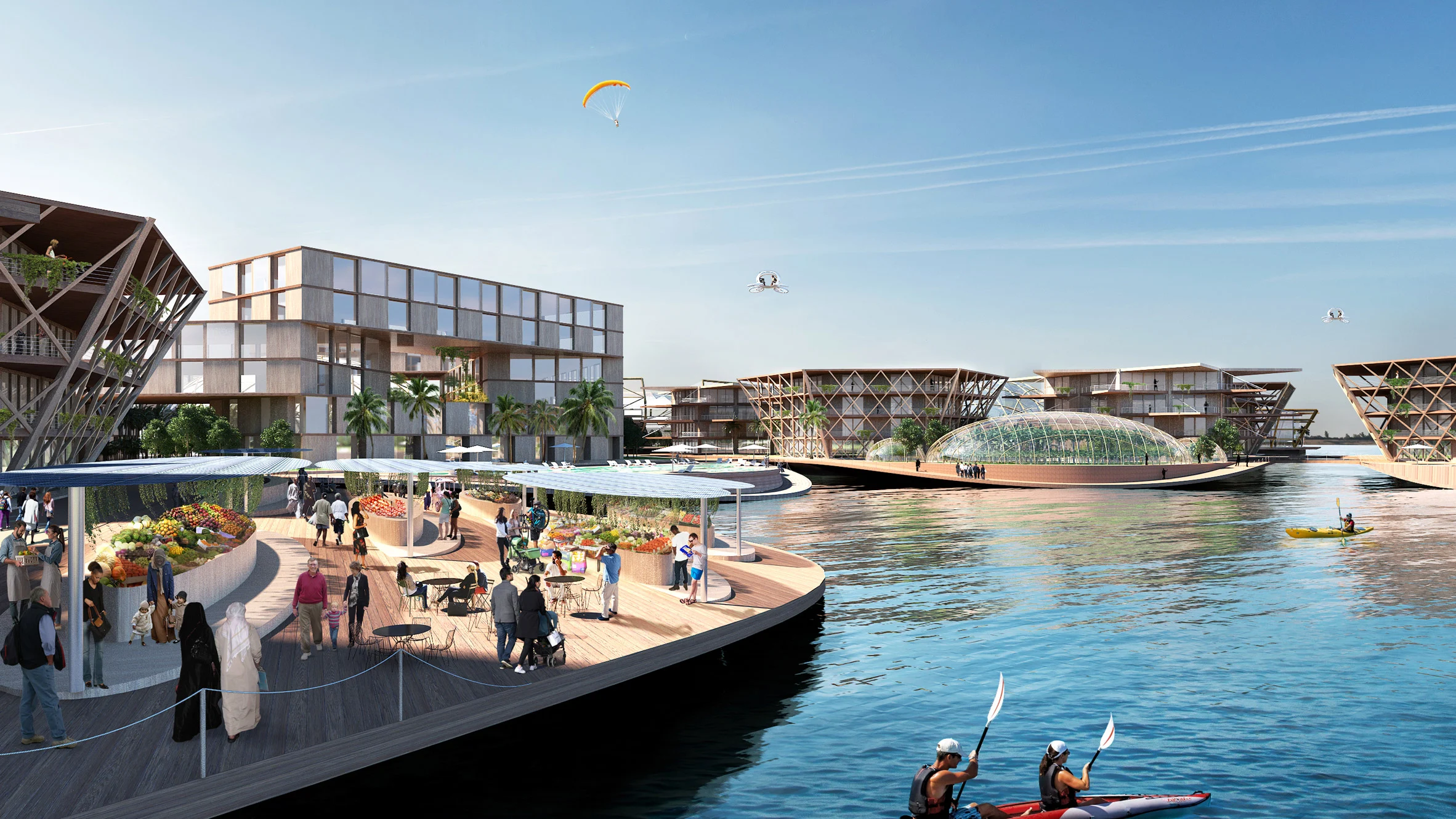
Bjarke Ingels Group’s (BIG) Oceanix City Concept: A proposed floating city concept designed for sustainability and resilience against rising sea levels.
Floating Parks and Public Spaces: Examples include the Floating Park in Rotterdam and the proposed Thames Deckway in London, offering recreational spaces on water.
The Future of Floating Infrastructure in Urban Planning
Looking ahead, floating infrastructure is poised to become an integral component of urban planning, particularly in coastal and flood-prone cities. As technology advances, we can expect more innovative and sustainable solutions in this domain, contributing to the resilience and expansion of urban areas.
Conclusion
The emergence of floating infrastructure represents a paradigm shift in urban development, offering a novel approach to tackling the challenges of land scarcity, urbanisation, and climate change. While there are hurdles to overcome, the potential of floating infrastructure in enhancing urban livability and sustainability is immense. As cities continue to innovate and adapt, floating constructions could become a common feature of our future urban landscapes, harmoniously blending urban life with the aquatic environment.