


The Evolution of CAD Tools: How Modern Engineering Drafting is Changing
The transformative journey of Computer-Aided Design (CAD) tools symbolizes the evolutionary trajectory of modern engineering. CAD tools have metamorphosed from simplistic drafting software to sophisticated solutions that enable the intricate design of complex systems, improving accuracy and reducing the time required for design cycles. The constant evolution of CAD is emblematic of the industry’s relentless pursuit to meet the ever-growing demands for innovation and precision in engineering projects.
The Origins and Evolution of CAD
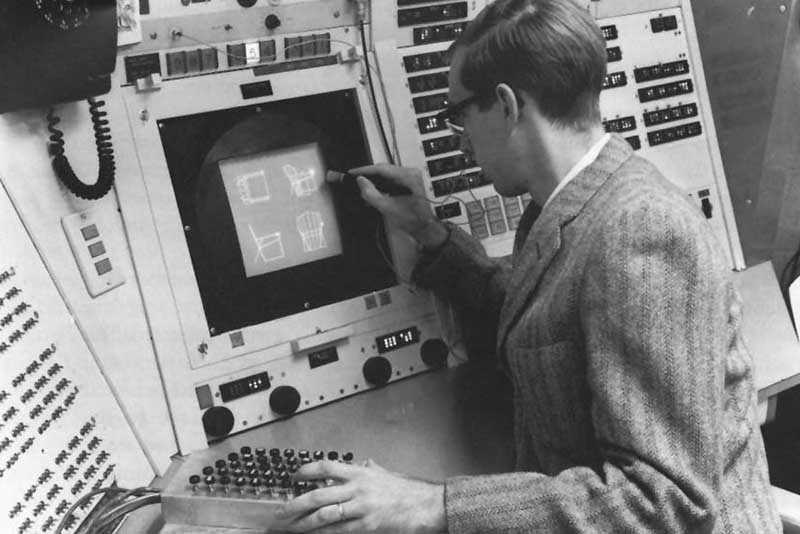
The inception of CAD tools can be traced back to the 1960s when they were primarily used for 2D drafting. However, the subsequent decades witnessed exponential advancements, incorporating 3D modeling and simulation capabilities. These improvements not only enhanced the visual representation of designs but also enabled engineers to assess the functionality and performance of components before actual production, reducing errors and material wastage.
Modern-Day CAD: A Multifaceted Tool
Today’s CAD tools transcend traditional drafting functionalities. They are integrated with advanced features such as:
- 3D Modeling and Rendering: Enable the creation of detailed and realistic models, offering insights into the spatial orientation and aesthetics of the design.
- Simulation and Analysis: Assess the performance and reliability of designs under varied conditions, helping in identifying and rectifying potential issues.
- Parametric and Direct Modeling: Provide the flexibility to create designs based on parameters or by directly manipulating the geometry, catering to different design approaches.
- Collaboration and Cloud Integration: Facilitate seamless collaboration among team members and access to designs from anywhere through cloud-based platforms.
Impact of CAD Evolution on Industries
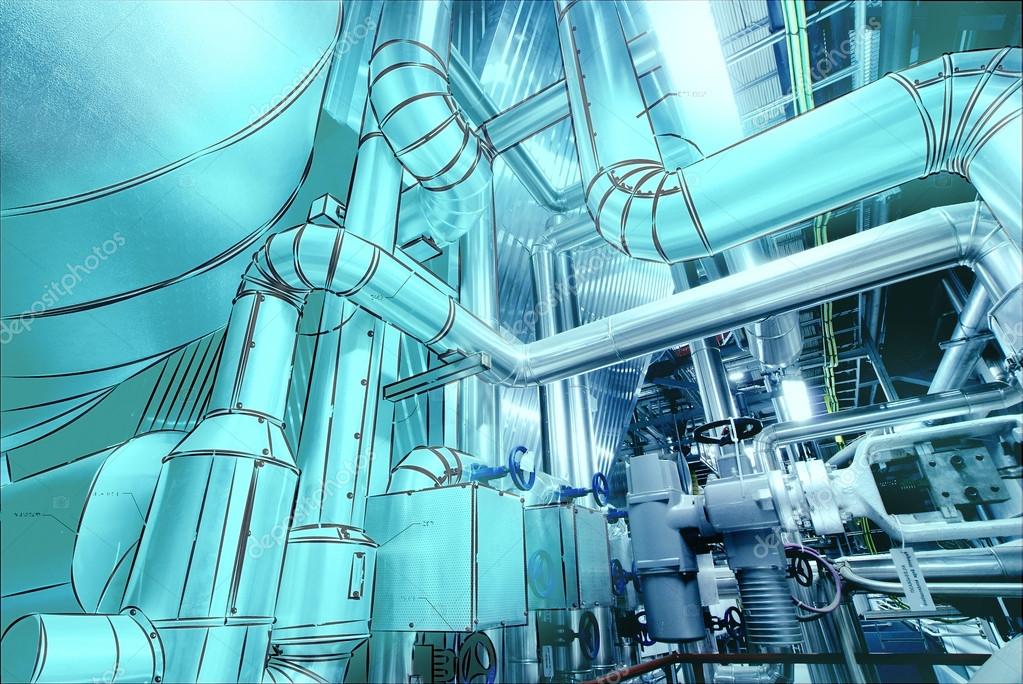
The advancements in CAD tools have a profound impact across various sectors. In automotive and aerospace industries, CAD allows the design of intricate parts and systems, enabling simulations to test durability and performance. In architecture and construction, it assists in creating detailed building plans, optimizing space utilization and structural integrity. The healthcare sector employs CAD for designing medical devices and prosthetics with high precision and customization.
Integration of Advanced Technologies
The integration of innovative technologies is a pivotal aspect of the ongoing evolution of CAD. Technologies such as Artificial Intelligence (AI) and Virtual Reality (VR) are being melded with CAD tools to enhance design capabilities.
- AI Integration: Implements machine learning algorithms to predict design trends and optimize solutions, reducing the time and effort invested in the design process.
- VR and Augmented Reality (AR): Offer immersive experiences, allowing designers to interact with 3D models in real-time, facilitating more informed design decisions.
- 3D Printing: Works in tandem with CAD for prototyping and production, enabling the realization of complex designs with unprecedented accuracy.
The Future Trajectory of CAD Tools
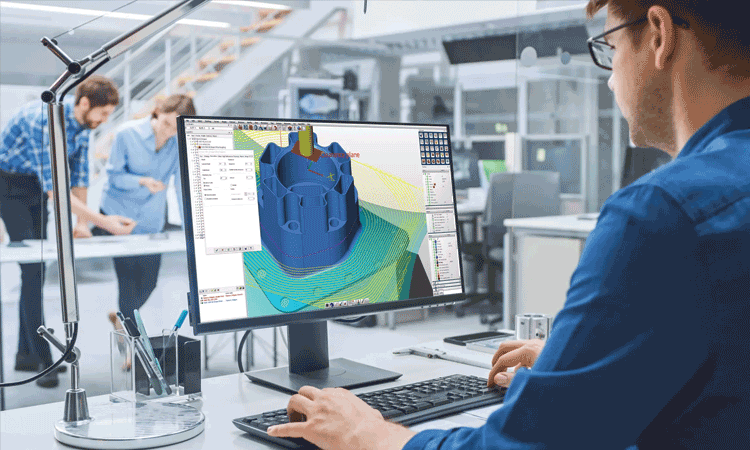
The future of CAD is envisioned to be marked by continuous enhancements, striving to meet the escalating complexity of engineering projects. The incorporation of more intelligent features and intuitive interfaces is likely to make CAD tools more adaptable and user-friendly. The convergence of CAD with emerging technologies will continue to push the boundaries, offering more holistic and integrated design solutions.
Conclusion
The evolution of CAD tools is a testament to the transformative spirit of the engineering domain. From simplistic drafting aids to multifaceted design solutions, CAD has undergone a revolutionary journey, empowering engineers to visualize, analyze, and realize their concepts with unparalleled precision and efficiency. The ongoing amalgamation of advanced technologies with CAD is shaping a future where the only limit to engineering innovations is the imagination of the designers.