

Urbanisation, a dominant trend of the last century, has seen cities grow and develop at an unprecedented rate. As urban areas expanded, the traditional mindset prioritised vehicular infrastructure, often at the expense of pedestrians. However, there is a paradigm shift underway. Cities across the globe are recognising the manifold benefits of a pedestrian-first approach, leading to a reimagining of urban spaces.
Urbanisation, a dominant trend of the last century, has seen cities grow and develop at an unprecedented rate. As urban areas expanded, the traditional mindset prioritised vehicular infrastructure, often at the expense of pedestrians. However, there is a paradigm shift underway. Cities across the globe are recognising the manifold benefits of a pedestrian-first approach, leading to a reimagining of urban spaces.
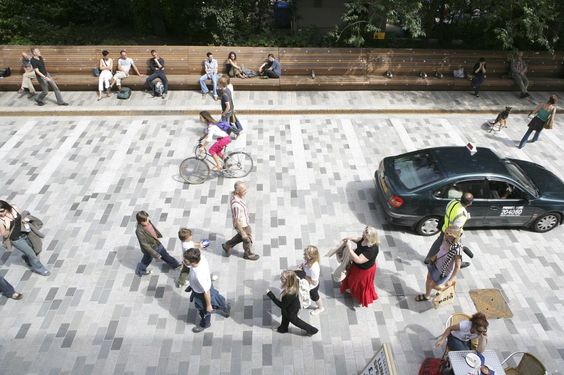
Why the Shift Towards Pedestrian-First Infrastructure?
Pedestrian-first cities aren't just a reaction to congestion or environmental concerns. They represent a holistic approach to urban planning that values the health, safety, and quality of life of its residents. Here's why this shift is gaining momentum:
Enhanced Public Health: Walking is a form of physical exercise, and cities that encourage walking see improved public health outcomes. Residents in pedestrian-friendly cities have lower rates of obesity, cardiovascular diseases, and other lifestyle-related health issues.
Environmental Benefits: Reducing the reliance on vehicles leads to decreased emissions. It's a simple yet effective strategy to combat urban air pollution and contribute to global efforts against climate change.
Safety: With fewer vehicles on the road, and with infrastructure designed for pedestrians, there's a drastic reduction in vehicular accidents, making cities safer.
Economic Impetus: Pedestrian zones can boost local businesses. Areas free from vehicular noise and pollution attract more people, who are likely to shop, eat, and spend more time (and money) in these zones.
Community Building: Spaces where people can walk, meet, and interact foster community spirit. They become hubs of cultural and social interactions.
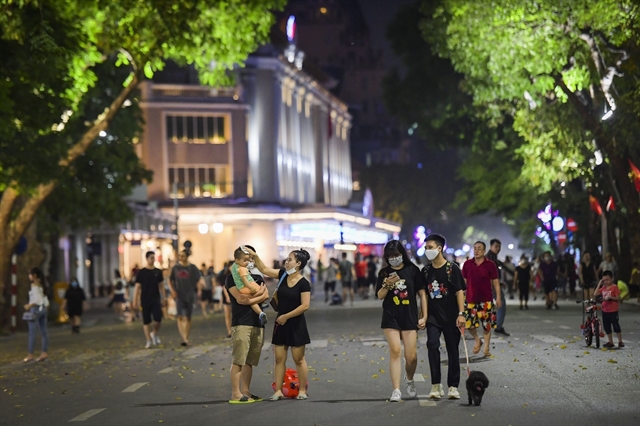
Pedestrian-First: Real-World Examples
Cities around the world have started to embrace the pedestrian-first approach with fantastic results:
Copenhagen, Denmark: Nearly 40% of its residents cycle daily. The city's commitment to pedestrian infrastructure has made it one of the most bicycle-friendly cities in the world.
Melbourne, Australia: The city transformed its neglected laneways into vibrant pedestrian zones filled with cafes, boutiques, and street art, making them tourist attractions in their own right.
Bogota, Colombia: The Ciclovía event, where main streets are closed off to cars every Sunday and public holidays, allowing residents to reclaim the roads for cycling, walking, and other recreational activities.
Challenges and Considerations
Transitioning to a pedestrian-first model isn't without challenges. City planners need to balance the needs of all residents, including those who rely on vehicles. Accessibility for differently-abled individuals, efficient public transportation, and considerations for businesses that depend on deliveries are all integral to successful pedestrian-first planning.
Moreover, such a shift requires significant investment, not just in terms of infrastructure but also in public campaigns to change long-held mindsets about transportation and mobility.
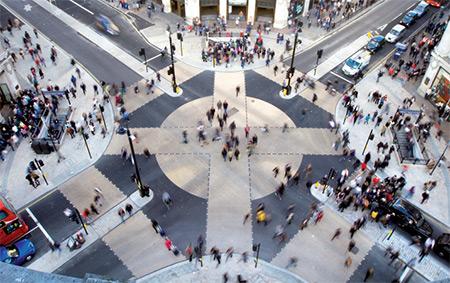
Looking Ahead: The Future of Urban Spaces
The future of urban planning is exciting. As more cities recognise the multifaceted benefits of pedestrian-first infrastructure, we can expect urban areas to become more livable, sustainable, and community-oriented. Technological innovations, like smart traffic lights, pedestrian sensors, and urban green spaces, will further enhance the pedestrian experience.
The transition may be gradual, but with every pedestrian plaza or car-free day, we move a step closer to reimagined urban spaces where people, not vehicles, are at the heart of the city.
In conclusion, pedestrian-first infrastructure isn't just a trend; it's a testament to how cities are evolving to prioritise the well-being of their residents. As we continue to reimagine and reshape our urban spaces, one thing becomes clear: the future is on foot.