
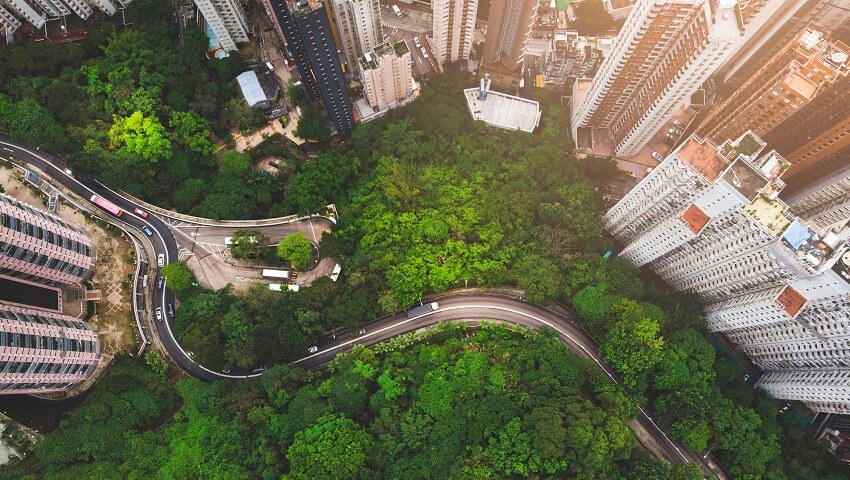
Urban planning and environmental conservation may seem like contrasting disciplines at first glance. One focuses on the methodical design and regulation of land usage in urban environments, while the other emphasises preserving natural resources and ecosystems. However, in the context of civil engineering, these two areas are not only interconnected but are also of paramount importance in creating sustainable urban landscapes.
Urban planning and environmental conservation may seem like contrasting disciplines at first glance. One focuses on the methodical design and regulation of land usage in urban environments, while the other emphasises preserving natural resources and ecosystems. However, in the context of civil engineering, these two areas are not only interconnected but are also of paramount importance in creating sustainable urban landscapes.
1. The Challenge of Rapid Urbanisation:
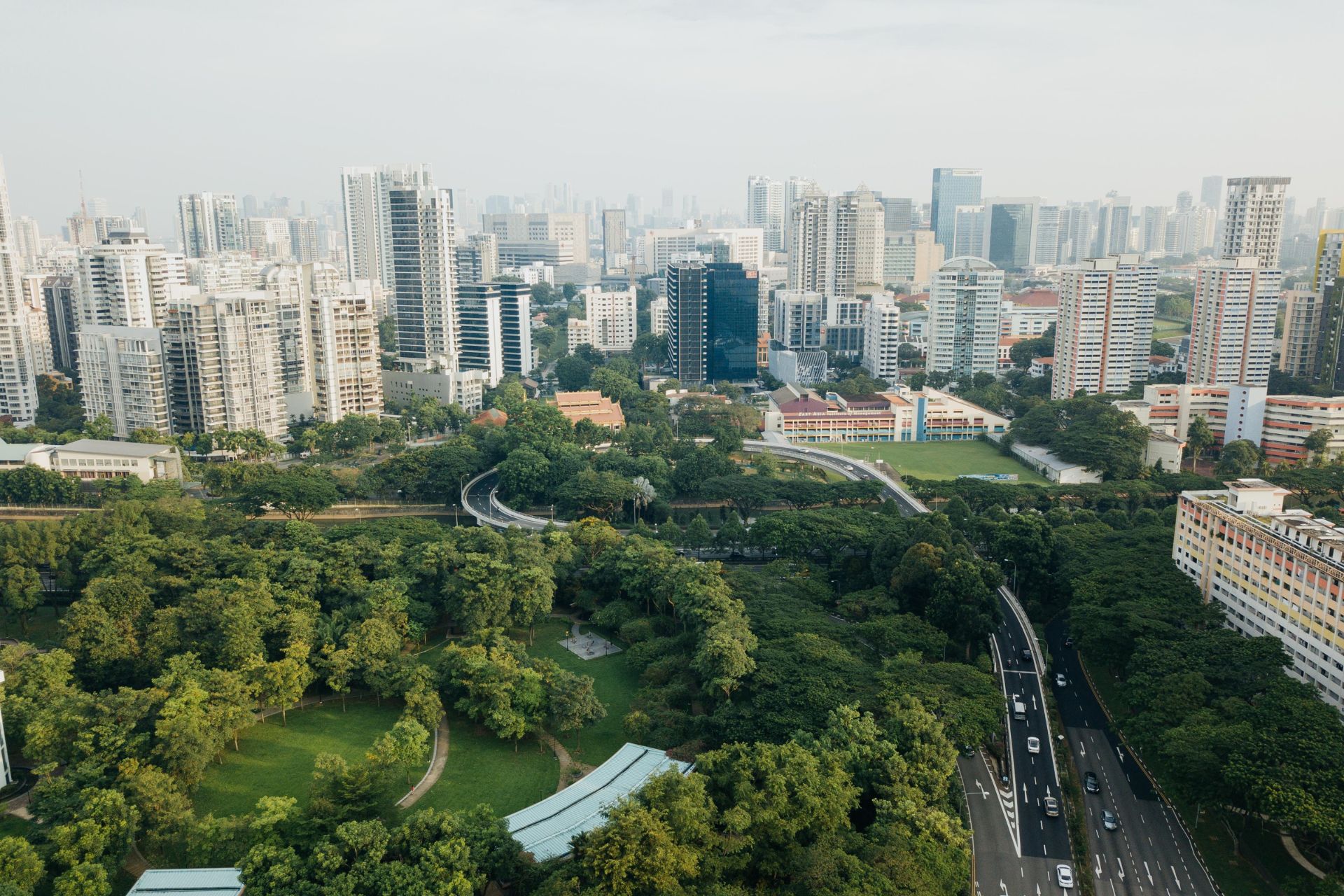
As global populations continue to grow, so does the need for urban spaces to accommodate this growth. This rapid urbanisation often leads to deforestation, loss of green spaces, and increased pollution. But with deliberate urban planning that places environmental conservation at its core, it is possible to develop urban areas that are not only functional and aesthetically appealing but also environmentally friendly.
2. Integrative Approaches in Civil Engineering:
Modern civil engineering practices emphasise an integrative approach that incorporates green infrastructure, sustainable drainage systems, and eco-friendly materials. Such practices not only reduce the environmental impact of construction projects but also foster biodiversity, improve air quality, and enhance the overall livability of urban spaces.
3. Sustainable Transportation and Mobility:
With increasing urban populations, transportation becomes a significant concern, both from a logistical and an environmental viewpoint. Sustainable transportation planning focuses on promoting public transit, cycling, and pedestrian-friendly pathways. This approach reduces the reliance on private vehicles, thereby decreasing carbon emissions and traffic congestion.
4. Water Management and Conservation:
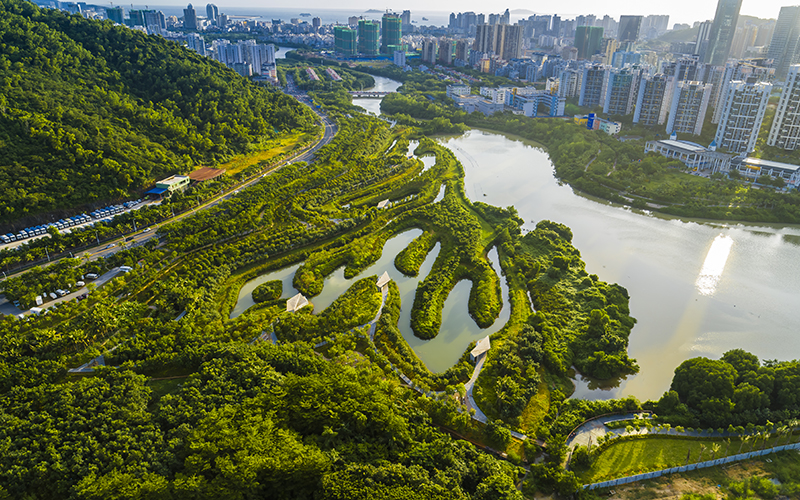
Urban areas often face challenges related to water scarcity, flooding, and wastewater management. By integrating natural water systems into urban planning, cities can ensure efficient water use, mitigate flood risks, and protect water quality. Rain gardens, permeable pavements, and green roofs are prime examples of such integrative solutions.
5. The Role of Green Spaces:
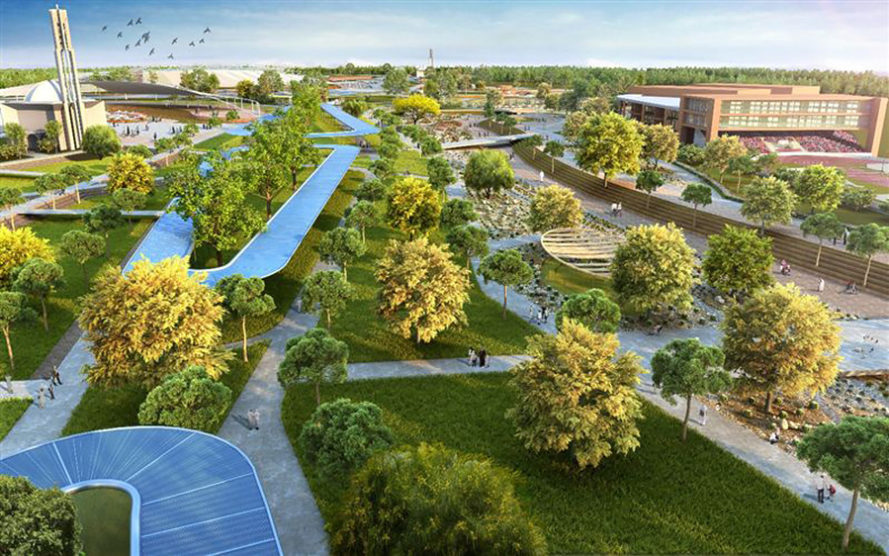
Green spaces play a crucial role in urban planning. They act as urban lungs, providing clean air, regulating temperatures, and offering recreational spaces for residents. From a conservation perspective, these areas support local flora and fauna, thereby maintaining biodiversity within urban settings.
6. Citizen Engagement and Education:
The success of any urban planning initiative is contingent on community involvement. Citizens, when educated about the benefits of environmental conservation, become active stakeholders in the planning process. They can offer insights, foster local initiatives, and ensure that planning decisions align with the community's needs and the environment's well-being.
Conclusion:
The confluence of urban planning and environmental conservation in the realm of civil engineering underscores the necessity for sustainable development. By seamlessly integrating these disciplines, cities can achieve the dual objectives of growth and environmental stewardship. As we envision the future of urban landscapes, it is evident that the interplay between urban planning and environmental conservation will be a defining factor in shaping sustainable, resilient, and livable cities for generations to come.