
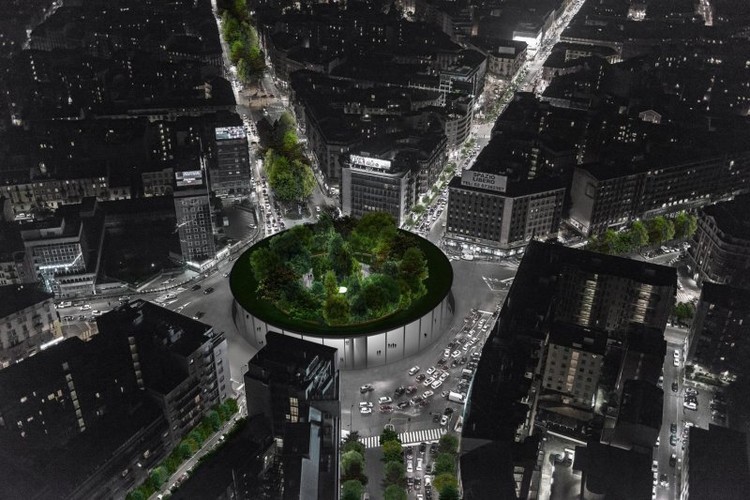
Public squares have long been the epicenters of urban life. Historically, they served as marketplaces, gathering spots, and even battlegrounds. However, with urban expansion and the rapid pace of modern life, many public squares lost their vibrancy. Today, as cities globally recognise the need for communal spaces that foster human connections, there's a conscious push to reinvent public squares. Modern civil engineering plays a pivotal role in this renaissance, ensuring these spaces blend tradition with innovation, functionality with aesthetics, and utility with culture.
Public squares have long been the epicenters of urban life. Historically, they served as marketplaces, gathering spots, and even battlegrounds. However, with urban expansion and the rapid pace of modern life, many public squares lost their vibrancy. Today, as cities globally recognise the need for communal spaces that foster human connections, there's a conscious push to reinvent public squares. Modern civil engineering plays a pivotal role in this renaissance, ensuring these spaces blend tradition with innovation, functionality with aesthetics, and utility with culture.
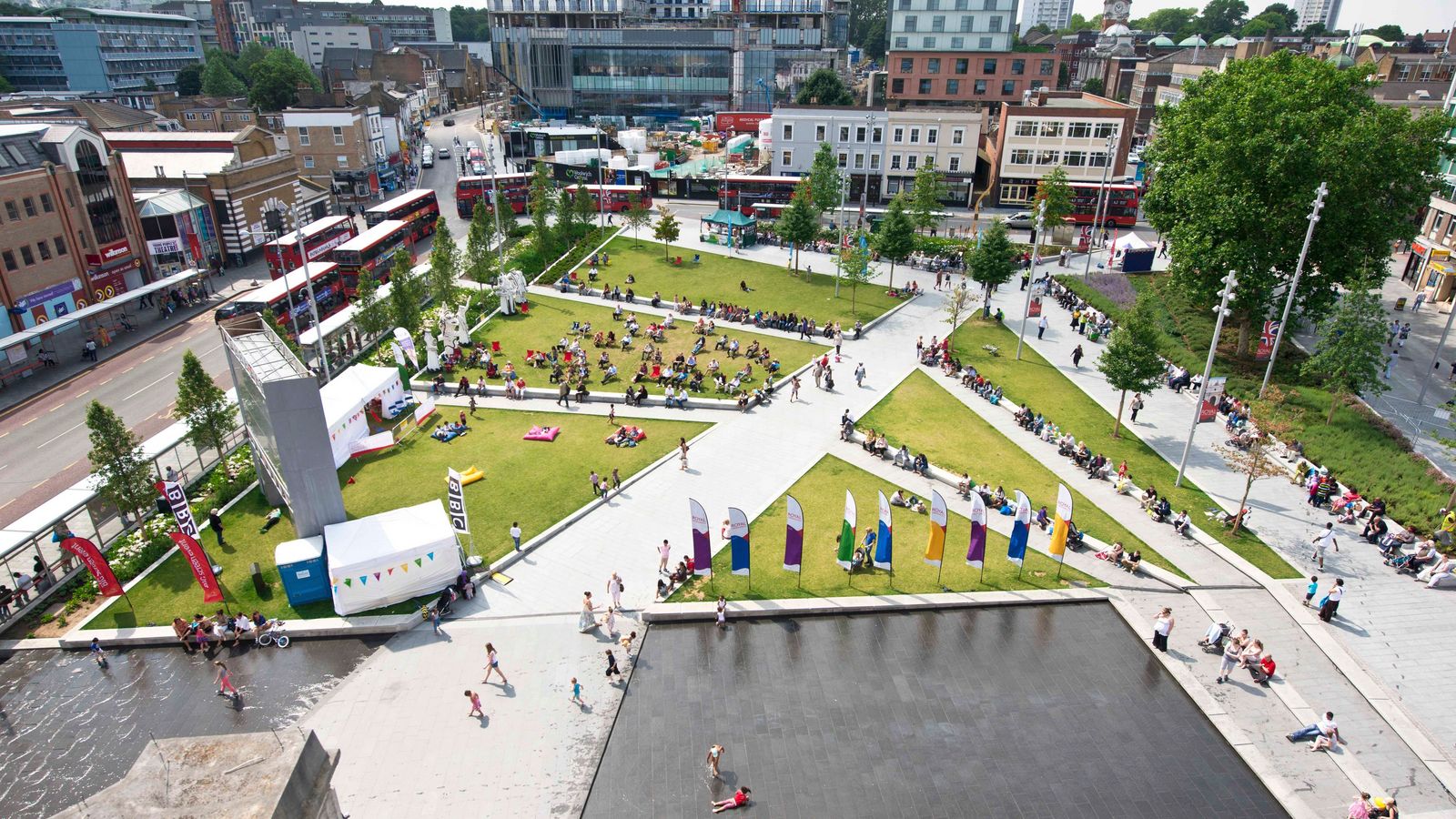
Historical Significance of Public Squares
Every major city boasts at least one renowned public square that speaks volumes about its history. Whether it's Trafalgar Square in London, Piazza San Marco in Venice, or Times Square in New York, these spaces have witnessed the evolution of civilisations. They serve as a testament to the city's cultural, political, and social milestones.
Modern-Day Challenges
Urban planners and civil engineers today grapple with several challenges when it comes to revitalising public squares:
Space Constraints: High urban density often means limited space for expansive public squares.
Balancing Modernity with Tradition: While introducing modern amenities, it's crucial to preserve the historical essence of these spaces.
Ensuring Safety: With rising urban populations, these areas must be designed considering safety regulations and crowd management.
Civil Engineering at the Heart of Transformation
The transformation of public squares hinges on innovative civil engineering solutions:
1. Multi-Level Designs: Given the space constraints, many public squares are now being designed with multiple levels. Underground spaces might house amenities like restrooms, cafes, or even small galleries, ensuring the ground level remains open and uncluttered.
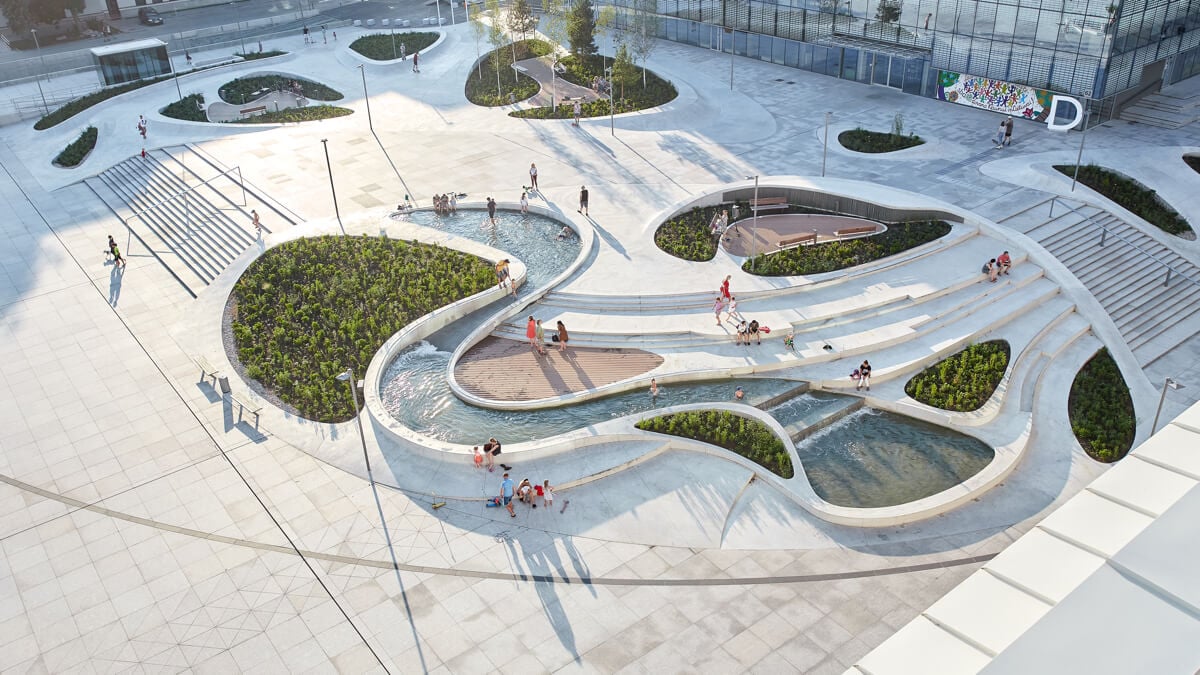
2. Green Integration: Modern public squares are often dotted with green patches, water bodies, and shaded areas. This not only beautifies the space but also offers a respite from the urban concrete jungle.
3. Technological Integration: Free Wi-Fi spots, interactive kiosks, and digital information boards are becoming common features.
4. Flexible Spaces: Recognising that public squares host various events – from protests to performances – civil engineers are opting for flexible designs. Movable seating, modular stages, and pop-up stalls allow the square to transform based on need.
5. Sustainable Solutions: Rainwater harvesting, solar lighting, and permeable pavements are sustainable solutions that modern public squares incorporate.
6. Accessibility: Ensuring that public squares are accessible to everyone, including those with disabilities, is a key focus. Ramps, tactile pavements, and auditory signals are some features introduced in this regard.
Case Study: The Reinvention of Zócalo, Mexico City
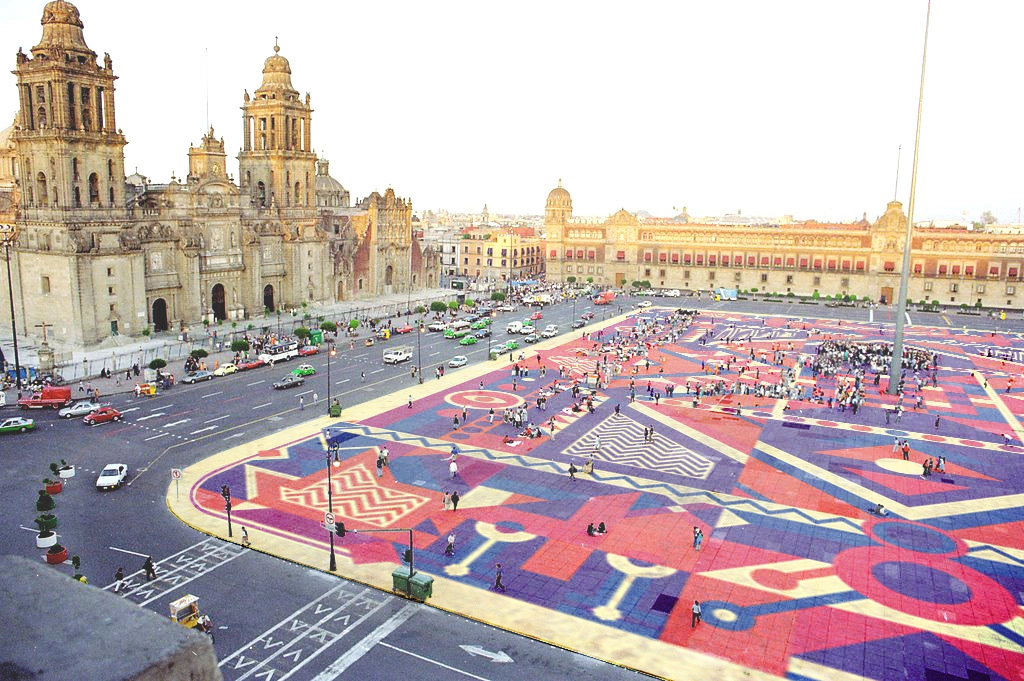
Zócalo, the main square in Mexico City, has undergone multiple transformations over the decades. Once a concrete-heavy space, it's now a green, pedestrian-friendly zone. Civil engineers and urban planners collaborated to introduce underground parking, large pedestrian zones, green patches, and digital kiosks, turning Zócalo into a blend of the past and the present.
The Way Forward
The reinvention of public squares isn't just about aesthetic upgrades. It's about re-establishing these spaces as the heartbeats of cities. It's about providing citizens with spaces where they can pause, interact, and engage. As cities continue to grow and evolve, the role of civil engineers in shaping community-centric public squares becomes even more paramount.
Conclusion
Public squares are more than just open spaces in cities. They are the mirrors reflecting a city's soul. By weaving in modern civil engineering principles with a touch of tradition, urban centres worldwide are ensuring their public squares continue to resonate with citizens, telling tales of the past while embracing the future. The reinvention of public squares is not just an infrastructural upgrade; it's a cultural revival.