

Climate Change poses an undeniable threat to our planet, impacting ecosystems, economies, and communities globally. Civil Engineering, a discipline traditionally rooted in constructing the built environment, holds a significant role in mitigating the impacts of climate change. By adopting innovative strategies and implementing eco-conscious solutions, civil engineers are pivotal in creating resilient, sustainable infrastructures that combat environmental degradation.
Climate Change poses an undeniable threat to our planet, impacting ecosystems, economies, and communities globally. Civil Engineering, a discipline traditionally rooted in constructing the built environment, holds a significant role in mitigating the impacts of climate change. By adopting innovative strategies and implementing eco-conscious solutions, civil engineers are pivotal in creating resilient, sustainable infrastructures that combat environmental degradation.

1. Sustainable Design and Construction:
A critical component of mitigating climate change in civil engineering is sustainable design and construction. Utilising green building materials, environmentally-friendly construction techniques, and energy-efficient technologies helps in reducing carbon emissions and energy consumption. The goal is to develop infrastructures that are in harmony with the environment, consuming less energy, water, and other resources, thereby promoting sustainability.
2. Carbon Sequestration Technologies:
Another innovative strategy is implementing carbon sequestration technologies. These technologies capture and store carbon dioxide emissions, preventing them from entering the atmosphere. Integrating such methods within infrastructures is crucial for reducing the overall carbon footprint of the built environment and combating climate change.

3. Renewable Energy Integration:
Renewable energy sources such as wind, solar, and hydropower are indispensable in mitigating climate change. Civil engineers are developing structures that integrate these renewable energy sources, reducing dependency on fossil fuels and facilitating a shift towards cleaner, greener energy alternatives. This not only decreases greenhouse gas emissions but also ensures a sustainable energy future.
4. Urban Planning for Climate Resilience:
Urban planning is another domain where civil engineers can significantly impact climate change mitigation. Creating urban layouts that promote public transportation, cycling, and walking can reduce vehicular emissions substantially. Additionally, developing green spaces and preserving natural ecosystems within urban areas can enhance climate resilience by improving air quality and reducing heat islands.
5. Water Management and Conservation:
Water is a precious resource, and its management and conservation are fundamental in climate change mitigation. Engineers are designing systems like rainwater harvesting and greywater reuse to minimise water usage and promote water conservation. This not only ensures water availability but also contributes to reducing energy consumption associated with water treatment and distribution.
6. Climate-Adaptive Infrastructure:
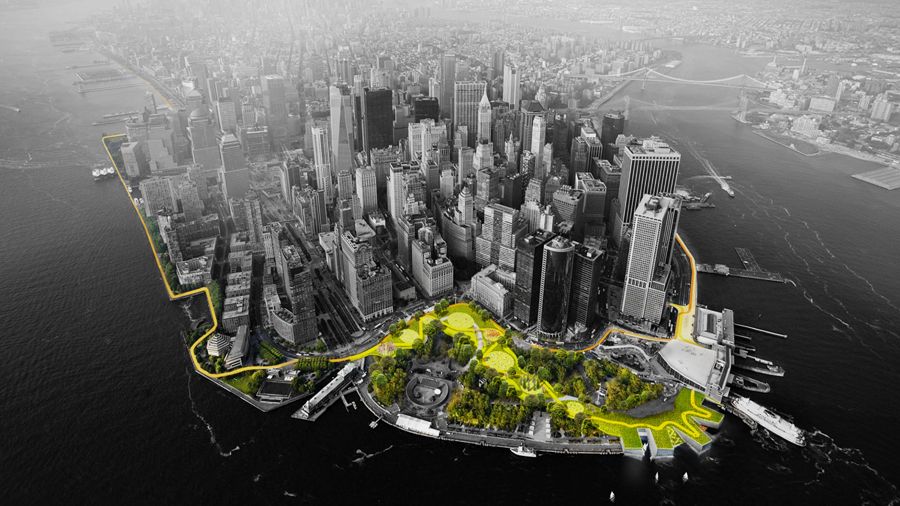
Developing infrastructures that can adapt and withstand the impacts of climate change is crucial. Climate-adaptive infrastructure includes designing buildings and structures that can endure extreme weather conditions and sea-level rise, ensuring the longevity and sustainability of the built environment in the face of changing climate patterns.
Conclusion:
Civil Engineering is at the forefront of mitigating climate change through innovative strategies and implementations. The integration of sustainable design principles, carbon sequestration technologies, renewable energy sources, climate-resilient urban planning, water management techniques, and climate-adaptive infrastructure are crucial steps in this direction. By embodying these principles, civil engineers are shaping a future where infrastructures are not merely spectators in the environmental conversation but active participants in preserving and nurturing our planet.
The battle against climate change is multi-faceted, requiring concerted efforts across various sectors. Civil engineering, with its profound influence on the built environment, has the potential to lead transformative changes, steering our societies towards a path of environmental equilibrium and sustainability.