
In today's data-driven world, organisations are increasingly leveraging the power of analytics to forecast trends, make informed decisions, and optimise business strategies. Central to this process are data analysts, the unsung heroes who sift through vast amounts of information to extract actionable insights. One of the most potent tools in their arsenal is predictive analysis. But how exactly do data analysts use predictive analysis for business forecasting, and why is it so crucial?
In today's data-driven world, organisations are increasingly leveraging the power of analytics to forecast trends, make informed decisions, and optimise business strategies. Central to this process are data analysts, the unsung heroes who sift through vast amounts of information to extract actionable insights. One of the most potent tools in their arsenal is predictive analysis. But how exactly do data analysts use predictive analysis for business forecasting, and why is it so crucial?
Predictive Analysis Explained:
Predictive analysis involves using statistical algorithms and machine learning techniques to identify patterns in historical data and predict future outcomes or trends. It doesn’t guarantee the future but provides a probability scenario of what might happen.
Why Businesses Need Predictive Analysis:
Risk Mitigation: By understanding potential future scenarios, businesses can formulate strategies to mitigate risks.
Optimising Marketing Strategies: Companies can target consumers more effectively based on predicted future behaviour.
Streamlining Operations: Predictive models can forecast inventory needs, optimise supply chains, and improve resource allocation.
The Crucial Role of Data Analysts:
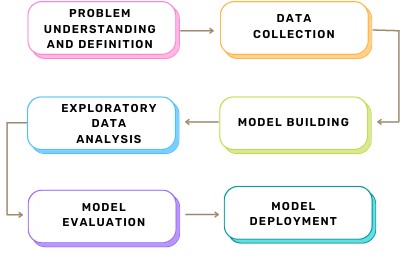
Data Collection and Cleaning: Before any analysis, data analysts ensure that the data is accurate, consistent, and formatted correctly. Garbage in equals garbage out, so this step is crucial.
Building Predictive Models: Using techniques like regression analysis, time series forecasting, and machine learning, analysts construct models that can forecast potential outcomes.
Validation and Testing: Once a model is built, it’s tested on a subset of data to ensure accuracy. This might involve tweaking the model multiple times to improve its predictive power.
Interpreting Results: Data analysts not only produce results but also interpret them, translating complex statistical findings into actionable business insights.
Predictive Analysis in Action:
E-commerce: Predictive models can forecast sales, understand customer behaviour, and optimise pricing strategies.
Finance: Banks and other financial institutions use predictive analytics to assess loan risks and detect potential fraud.
Healthcare: Predictive tools can forecast patient admissions, helping hospitals manage staffing and resource needs.
Challenges Faced by Data Analysts:
Data Quality: For predictive models to be accurate, the underlying data must be of high quality. Missing or inconsistent data can skew results.
Complexity of Models: Some predictive models, especially those using deep learning, can be complex and computationally intensive.
Ethical Considerations: Predictive analytics can sometimes tread into murky ethical waters, especially when predicting individual behaviour.
The Future of Predictive Analysis:
With advancements in artificial intelligence and machine learning, predictive models are set to become even more accurate and comprehensive. Data analysts will be at the forefront of these developments, wielding the dual-edged sword of data and technology to drive business strategies.

Conclusion:
Predictive analysis is more than just a buzzword—it’s a transformative tool that’s reshaping the business landscape. And at the heart of this transformation are data analysts, the bridge between raw data and strategic insights. As businesses continue to navigate the complexities of the digital age, the role of data analysts in predictive analysis and business forecasting will only grow in significance.