
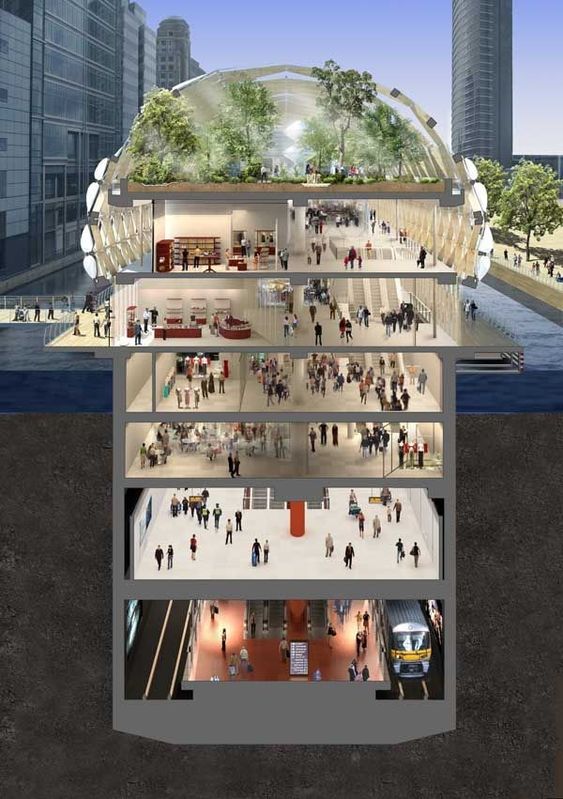
As urban areas continue to grapple with growing populations and limited space, the concept of "underground urbanism" is emerging as a visionary solution. This approach seeks to expand cities beneath the surface, offering novel solutions to congestion, space limitations, and even environmental concerns. By delving into the depths, urban planners and civil engineers are unlocking a new realm of possibilities for sustainable and efficient urban development.
As urban areas continue to grapple with growing populations and limited space, the concept of "underground urbanism" is emerging as a visionary solution. This approach seeks to expand cities beneath the surface, offering novel solutions to congestion, space limitations, and even environmental concerns. By delving into the depths, urban planners and civil engineers are unlocking a new realm of possibilities for sustainable and efficient urban development.
The Emergence of Underground Urbanism
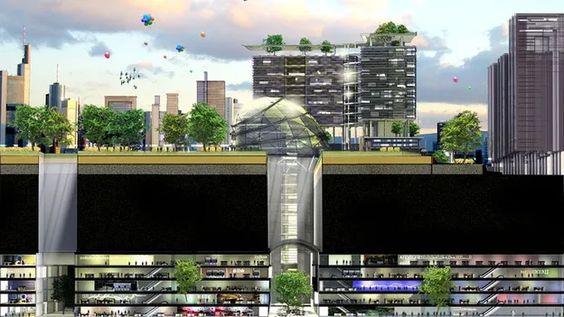
Underground urbanism refers to the development of subterranean spaces for various purposes – from transportation networks and shopping centres to living spaces and public amenities. It's a concept that's not just about utility but also about creating vibrant, livable spaces beneath the earth's surface.
Addressing Urban Challenges with Subterranean Development
Alleviating Surface Congestion: By moving certain utilities and infrastructures underground, cities can significantly reduce surface congestion, making urban areas more livable and efficient.
Expanding Urban Space: In cities where land is scarce and expensive, underground development offers a practical solution to space limitations.
Enhancing Sustainability: Underground spaces have a reduced impact on the environment and can contribute to energy efficiency, particularly in terms of heating and cooling.
Improving Safety and Security: Subterranean developments can provide safe and secure locations for essential services, away from potential surface-level threats.
Technological Innovations and Engineering Challenges
The move underground is not without its challenges, and it requires sophisticated engineering solutions:
Advanced Tunneling Techniques: Modern tunneling methods, such as the use of Tunnel Boring Machines (TBMs), are crucial for creating large-scale underground spaces.
Ventilation Systems: Ensuring adequate air circulation and quality is essential for making underground spaces safe and comfortable.
Structural Integrity: Maintaining the structural integrity of both the underground development and the surface above is paramount.
Waterproofing and Drainage Systems: Protecting subterranean structures from water ingress and flooding is a significant engineering challenge.

Real-World Examples of Underground Urbanism
Several cities around the world have already embraced underground urbanism:
Montreal’s RÉSO: Often referred to as the Underground City, RÉSO is a vast network of tunnels connecting shopping centres, office buildings, hotels, and other amenities.
Helsinki’s Underground Master Plan: Helsinki has been a pioneer in underground development, with a comprehensive plan that includes parking, shopping, and even sporting facilities.
Singapore’s Subterranean Networks: Facing limited land space, Singapore is extensively exploring underground solutions for transport, shopping, and utilities.
The Future of Underground Urbanism
As technology continues to advance, the potential for underground urbanism is vast. Concepts such as underground parks, farms, and even living spaces are becoming more feasible and attractive.
The future could see:
Integration with Green Technologies: Incorporating green technologies like geothermal heating and cooling systems into underground designs.
Automated Transportation Systems: Self-driving cars and advanced public transit systems operating in underground networks.
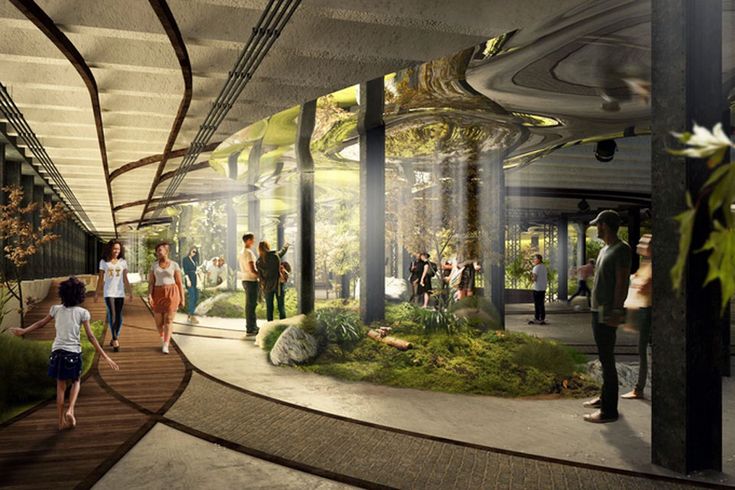
Innovative Public Spaces: Creating underground parks and social spaces using advanced lighting and ventilation systems to mimic natural environments.
Conclusion
Underground urbanism presents an exciting frontier in city planning and development. By harnessing technological advancements and innovative engineering solutions, urban areas can expand downwards, offering new solutions to age-old problems of space and congestion. As cities continue to evolve, the exploration of the world beneath our feet may hold the key to sustainable, efficient, and livable urban futures.