
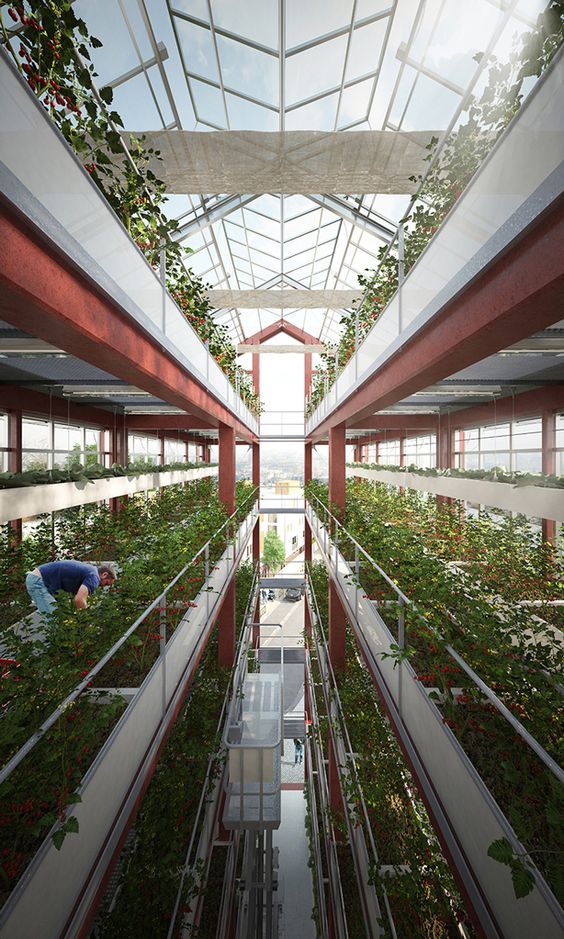
As urban populations continue to soar, and with arable land becoming scarcer, the challenge of ensuring food security becomes ever more pressing. Enter urban vertical farming: a revolutionary concept that promises fresh, local produce while maximising land use and minimising environmental impact. This innovative farming method isn't solely the domain of agriculturalists; civil engineers play a pivotal role in turning this visionary idea into a concrete reality.
As urban populations continue to soar, and with arable land becoming scarcer, the challenge of ensuring food security becomes ever more pressing. Enter urban vertical farming: a revolutionary concept that promises fresh, local produce while maximising land use and minimising environmental impact. This innovative farming method isn't solely the domain of agriculturalists; civil engineers play a pivotal role in turning this visionary idea into a concrete reality.
The Urban Food Challenge
By 2050, nearly 70% of the world's population is expected to live in urban areas. With this shift, cities face mounting pressure to address the growing food demands of their populations:
Diminishing Arable Land: Urban sprawl often takes over fertile agricultural land, reducing the space available for traditional farming.
Transportation Emissions: Importing food into urban areas increases carbon emissions and reduces the freshness of produce.
Water Scarcity: Traditional farming consumes vast quantities of water, posing challenges in regions facing droughts or water shortages.
Vertical Farming: A Leap Upwards
Vertical farming, as the name suggests, grows food vertically in stacked layers, often inside controlled environments like buildings or skyscrapers. Here's where civil engineering takes centre stage:
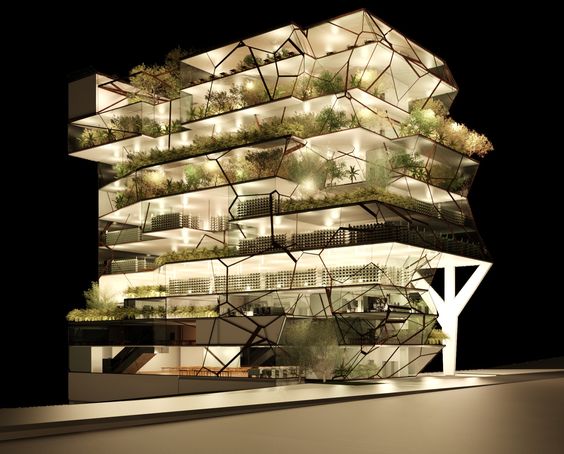
Structural Design: Engineers design multi-story structures to bear the weight of plants, substrates, water, and equipment. Advanced materials and construction techniques ensure safety and longevity.
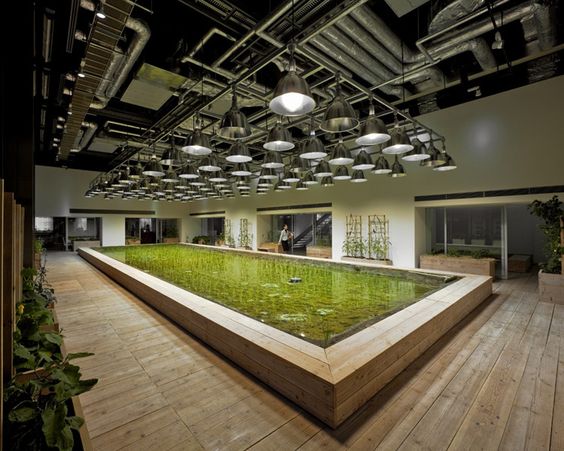
Water Management: Hydroponics or aeroponics, often used in vertical farming, recirculate water, dramatically reducing usage. Civil engineers play a role in designing these efficient water systems, ensuring no wastage.
Climate Control: Engineers help design ventilation, heating, and cooling systems, creating optimal growing conditions year-round, regardless of external weather conditions.
Benefits of Vertical Farming: Beyond Just Food
The benefits of urban vertical farming, facilitated by civil engineering, are manifold:
Local Fresh Produce: Vertical farms can sprout up in the heart of cities, meaning produce is fresher when it reaches consumers.
Reduced Carbon Footprint: With reduced transportation needs and energy-efficient designs, vertical farms can operate with a significantly smaller carbon footprint.
Year-round Production: Controlled indoor environments allow for year-round cultivation, irrespective of seasonal changes.
Space Efficiency: By growing upwards, vertical farms use a fraction of the land needed for traditional farming.
Resilience: Enclosed vertical farms are less vulnerable to pests, diseases, and adverse weather events, ensuring consistent yields.
Civil Engineering Innovations: Pushing Boundaries
The realm of vertical farming is ripe for engineering innovations:
Modular Designs: Engineers are working on modular vertical farming units that can be easily replicated and scaled up or down depending on demand.
Integration with Existing Structures: There's potential to integrate vertical farms into existing buildings, turning office blocks or apartments into food-producing entities.
Energy Efficiency: Engineers are devising ways to harness renewable energy sources, like solar or wind, to power vertical farms, further reducing their environmental impact.
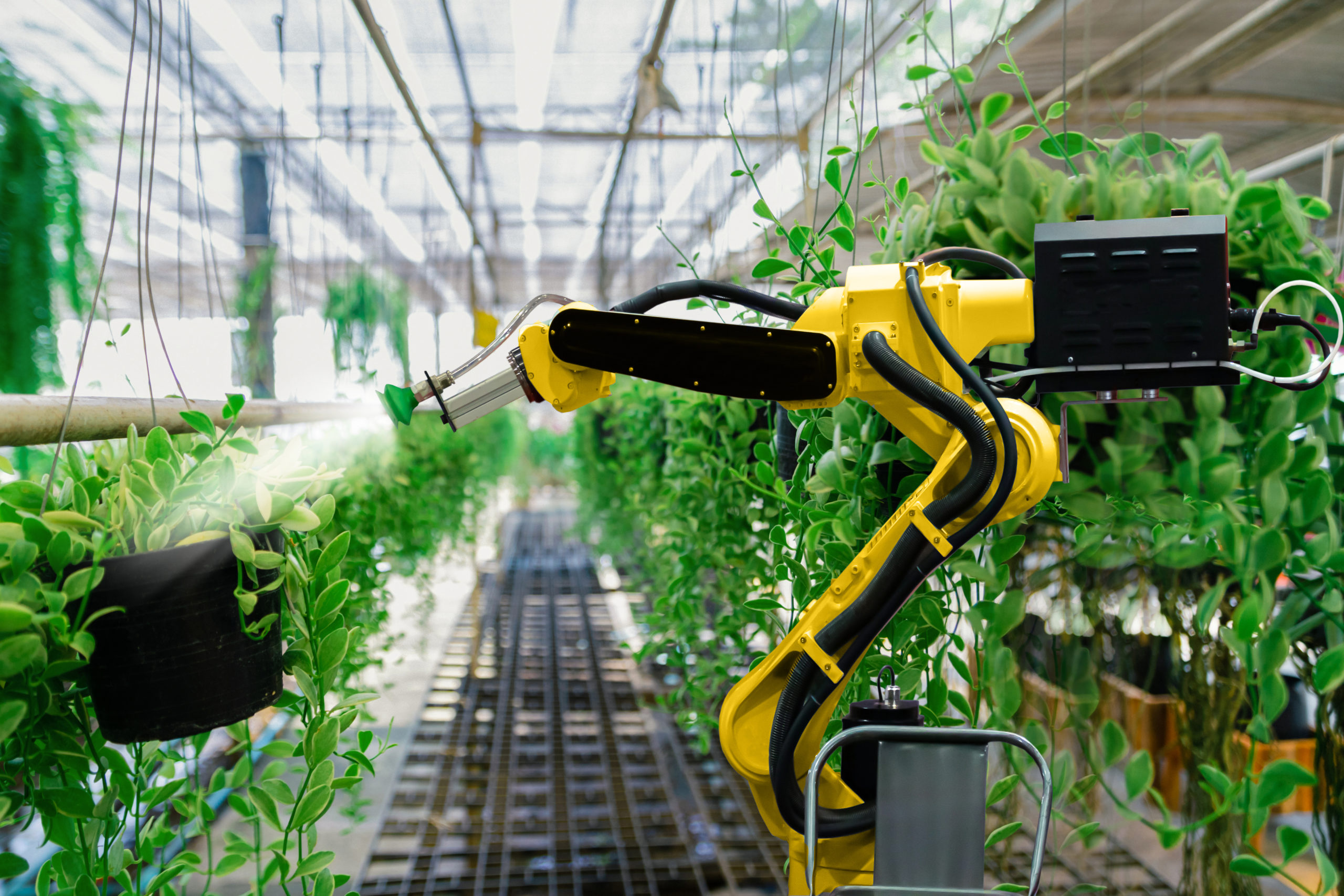
Automation: With the integration of robotics and AI, civil engineers and technologists are collaborating to automate many farming tasks, from seeding to harvesting.
The Future is Vertical
While urban vertical farming holds great promise, it's not without challenges. Initial setup costs, energy consumption for lighting, and the need for expertise in both agriculture and engineering are barriers to be overcome. However, with the relentless march of technology and the urgent need for sustainable food solutions, the vertical farming revolution, powered by civil engineering, seems not only feasible but inevitable.
Civil engineering, traditionally associated with roads, bridges, and buildings, is now finding its place in ensuring future food security. Through innovation, creativity, and collaboration, the sky's the limit, quite literally, for urban food production.