
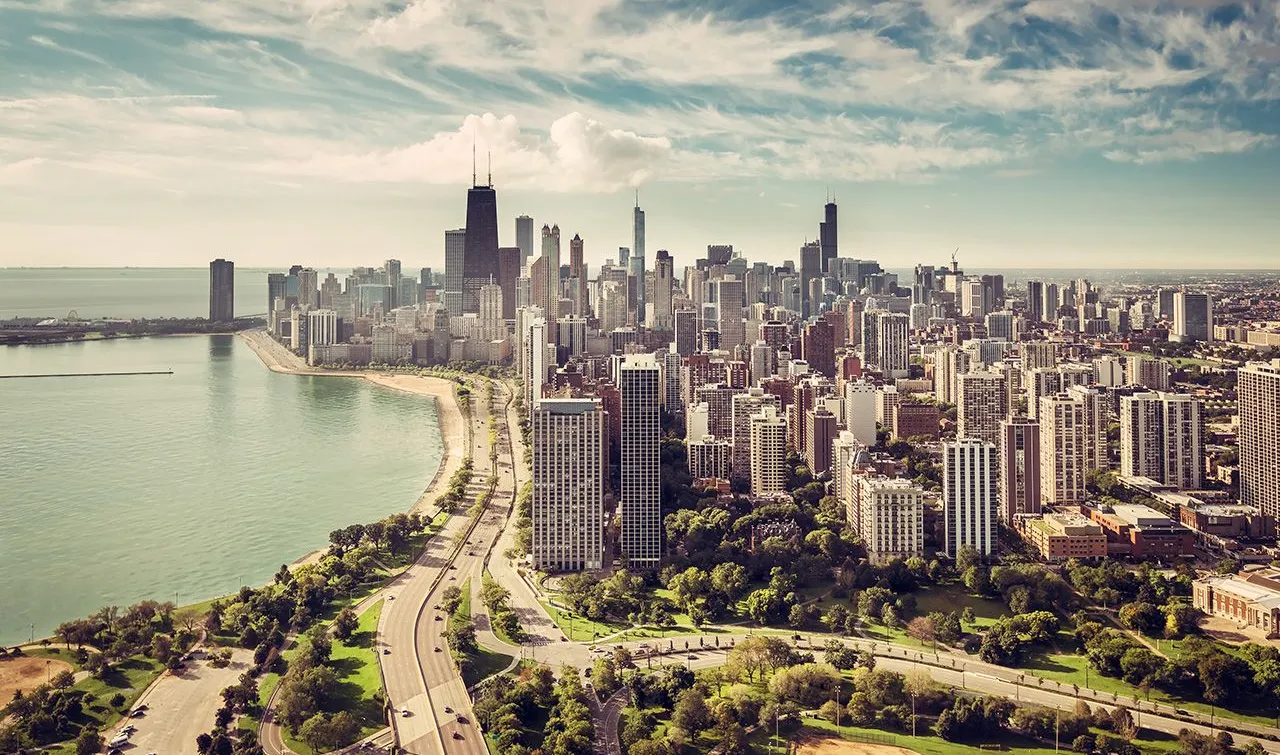
In the face of rapid urbanisation and limited land availability, cities are increasingly looking skyward for expansion opportunities. Utilising air rights – the legal ability to develop or use the space above physical land or property – has emerged as a creative solution to urban space constraints. This concept is reshaping urban landscapes, offering innovative ways to optimise limited space in densely populated areas.
In the face of rapid urbanisation and limited land availability, cities are increasingly looking skyward for expansion opportunities. Utilising air rights – the legal ability to develop or use the space above physical land or property – has emerged as a creative solution to urban space constraints. This concept is reshaping urban landscapes, offering innovative ways to optimise limited space in densely populated areas.
Understanding Air Rights in Urban Development
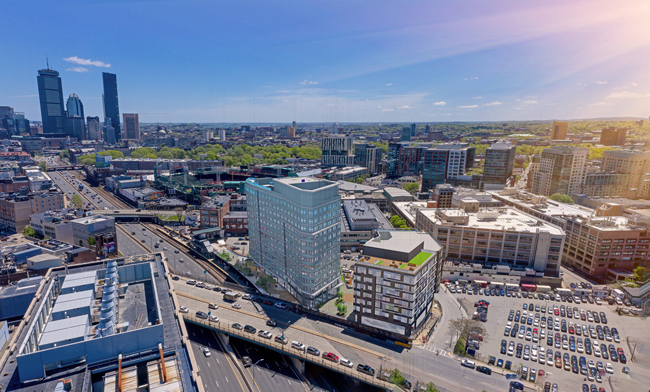
Air rights refer to the unused space above buildings and land that can be developed for various purposes, such as new buildings, green spaces, or public amenities. This approach not only maximises urban space but also preserves existing infrastructure and historical sites.
The Potential of Air Rights in Crowded Cities
Creating New Urban Spaces: Air rights allow for the construction of new buildings and facilities over existing structures like railway lines, highways, or parking lots, effectively creating new urban spaces.
Connectivity and Accessibility: Developing air rights can enhance city connectivity by creating pedestrian walkways or bridges between buildings, improving accessibility.
Economic Benefits: Leveraging air rights can unlock significant economic potential, allowing property owners and cities to capitalise on underutilised space.
Preserving Historical Structures: Air rights development can enable the preservation of historical buildings and landmarks by constructing new structures above them without causing disruption.
Challenges and Considerations
While promising, air rights development is not without challenges:
Structural and Engineering Constraints: Ensuring the structural integrity of existing buildings and infrastructure when building overhead is a complex engineering challenge.
Legal and Regulatory Hurdles: Navigating the legal aspects of air rights, such as zoning laws and air rights transfers, can be complicated.
Cost and Feasibility: Projects involving air rights can be costly and require innovative architectural and engineering solutions to be feasible.
Community Impact: It’s crucial to consider the impact of air rights development on local communities, including potential shadows cast by new structures and changes in neighborhood dynamics.
Innovative Examples of Air Rights Utilisation
Several cities have successfully implemented air rights projects:
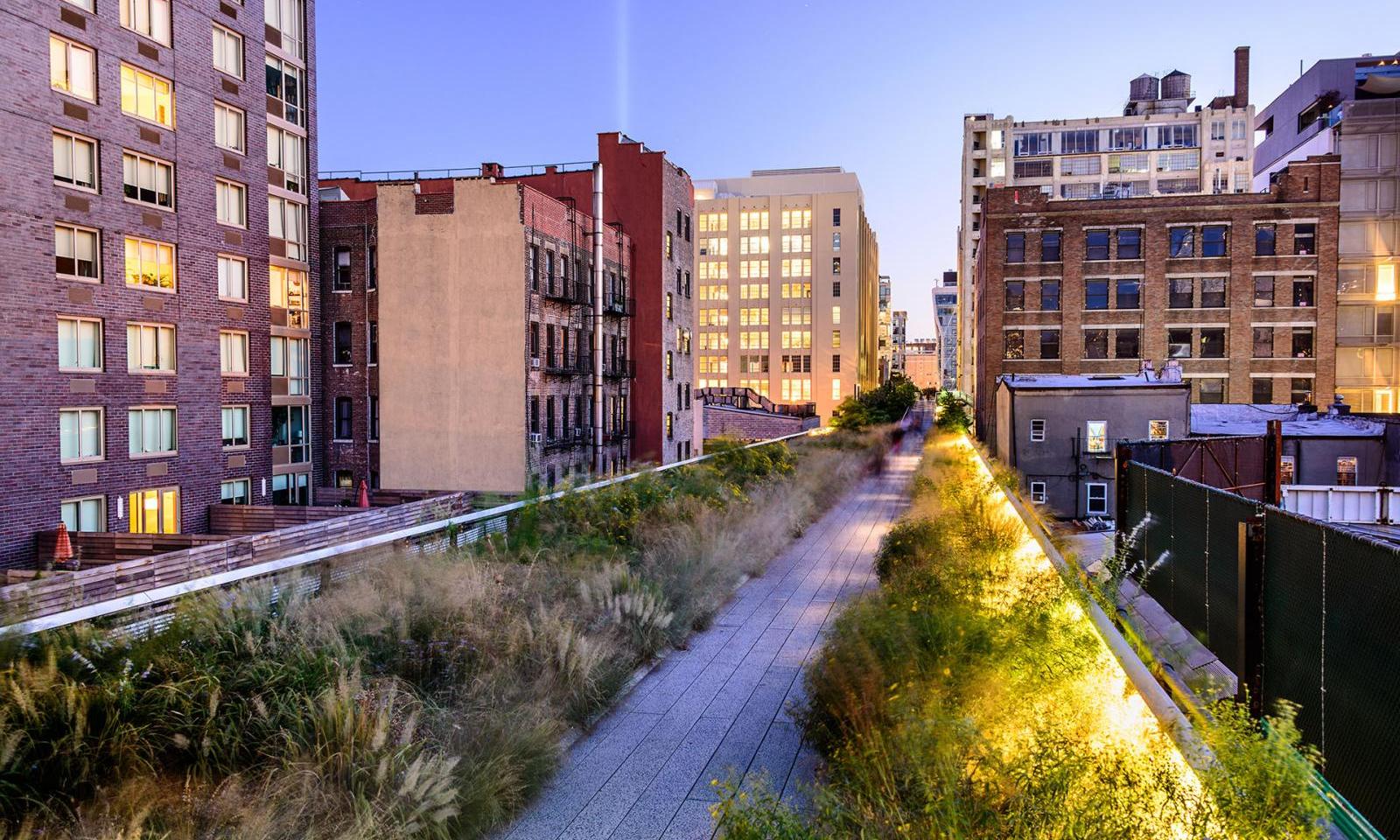
The High Line in New York City: A famous example of air rights usage, transforming an unused elevated railway into a public park.
Hudson Yards Development: Also in New York, this massive development is built over a functioning rail yard, representing one of the most ambitious air rights projects.
Ponte City Apartments in Johannesburg: A skyscraper built over a solid rock, utilising air rights to create a landmark residential building.
The Future of Air Rights in Urban Planning
The future of urban development will likely see more creative use of air rights as cities continue to densify. This could include:
Mixed-Use Developments: Combining residential, commercial, and public spaces in air rights projects to create vibrant, multi-functional urban areas.
Green Spaces and Urban Farms: Utilising air rights to create green roofs, gardens, and urban farms, contributing to sustainability and quality of life in cities.
Public Amenities: Developing public amenities like parks, sports facilities, and cultural centres in the airspace above existing structures.
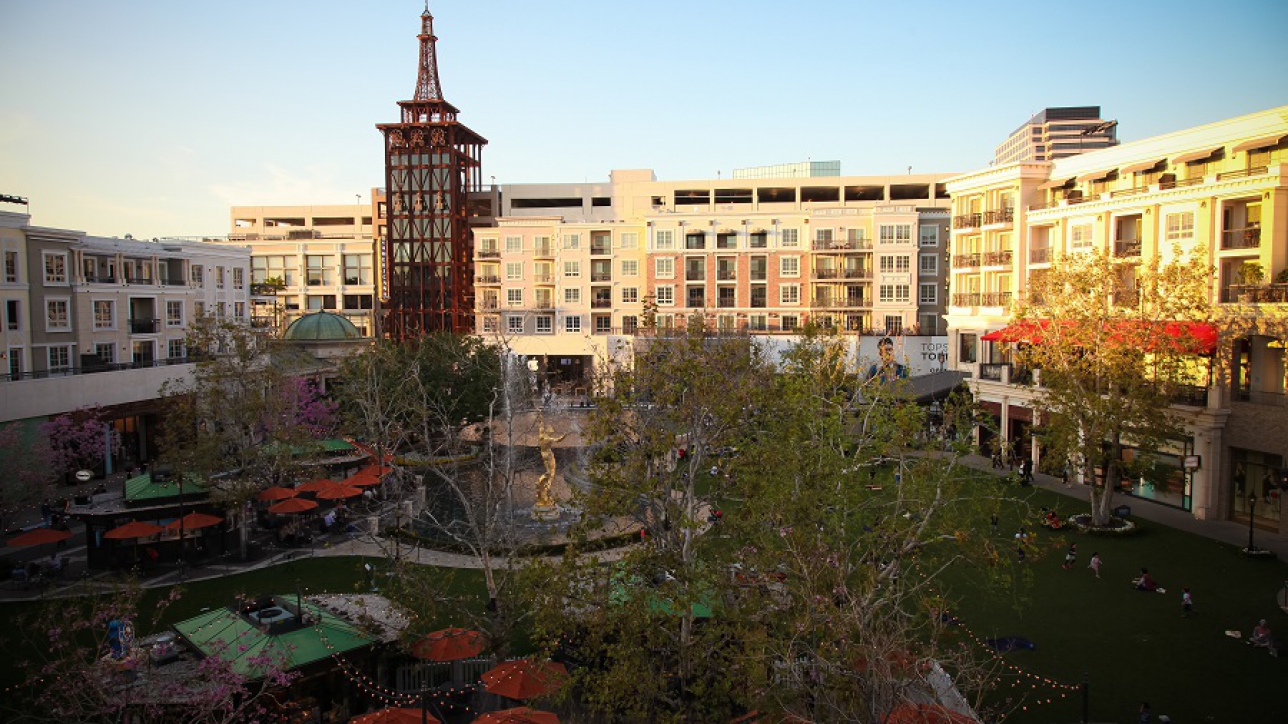
Utilising air rights presents a unique opportunity for urban expansion, offering innovative solutions to the challenges of urban density and land scarcity. By creatively leveraging the space above existing infrastructure, cities can unlock new possibilities for growth, sustainability, and community enrichment. As urban areas continue to evolve, the imaginative use of air rights will be crucial in shaping the dynamic and efficient cities of the future.