
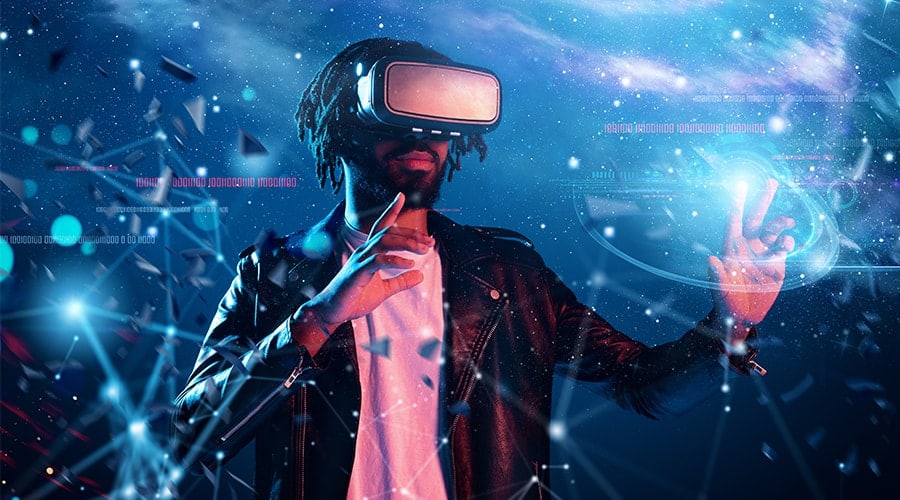
The implications of Virtual Reality (VR) and Augmented Reality (AR) extend far beyond the realm of gaming. These technologies are shaping various industries, presenting new opportunities for interaction, visualisation, and learning in the IT sector.
The implications of Virtual Reality (VR) and Augmented Reality (AR) extend far beyond the realm of gaming. These technologies are shaping various industries, presenting new opportunities for interaction, visualisation, and learning in the IT sector.
Augmenting the IT Experience:
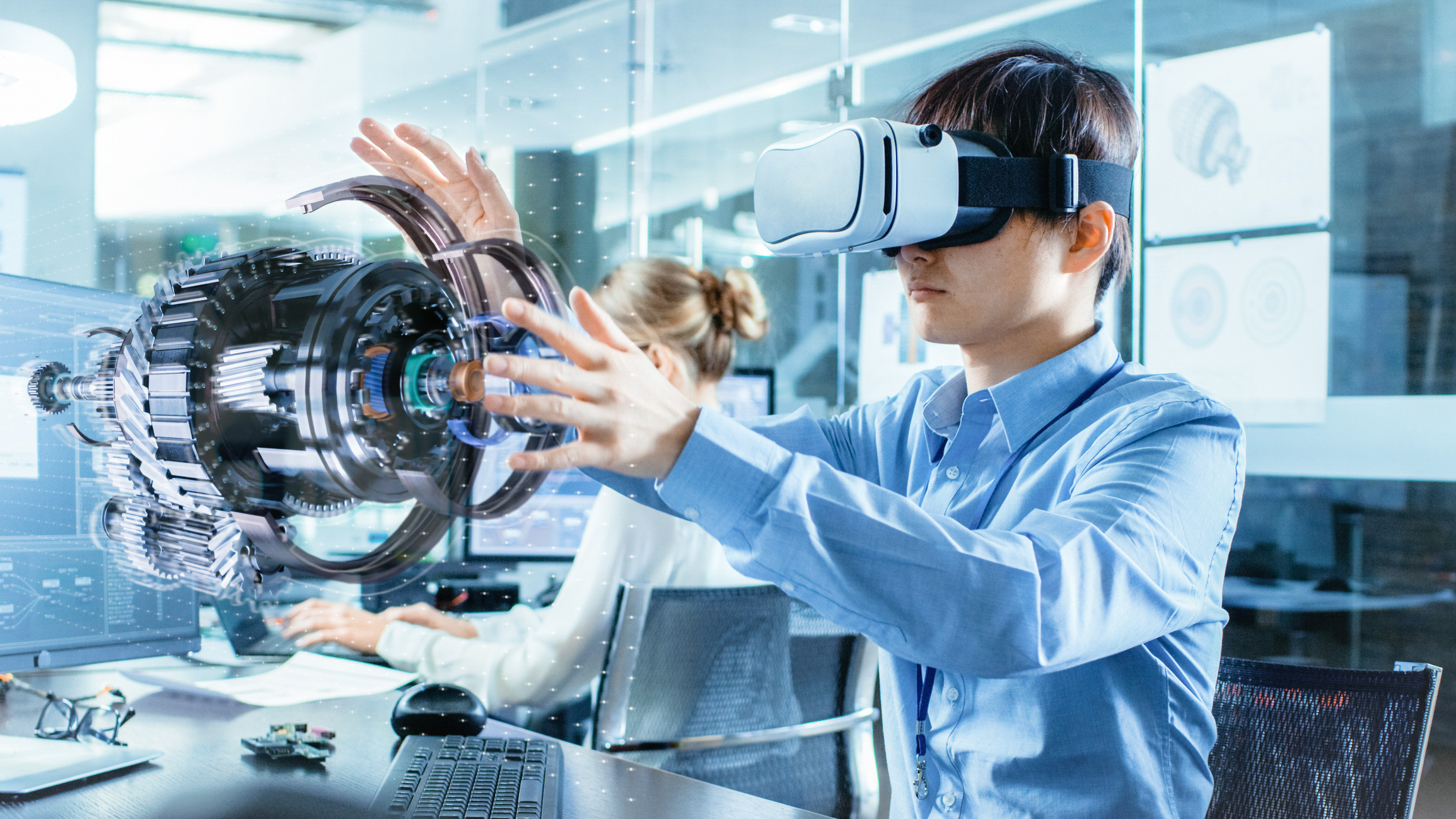
AR is playing a pivotal role in enriching the IT experience by overlaying digital information onto the real world. It has enabled IT professionals to visualise complex data, interact with virtual objects, and gain enriched insights, making problem-solving more intuitive and comprehensive.
Virtual Training & Development:
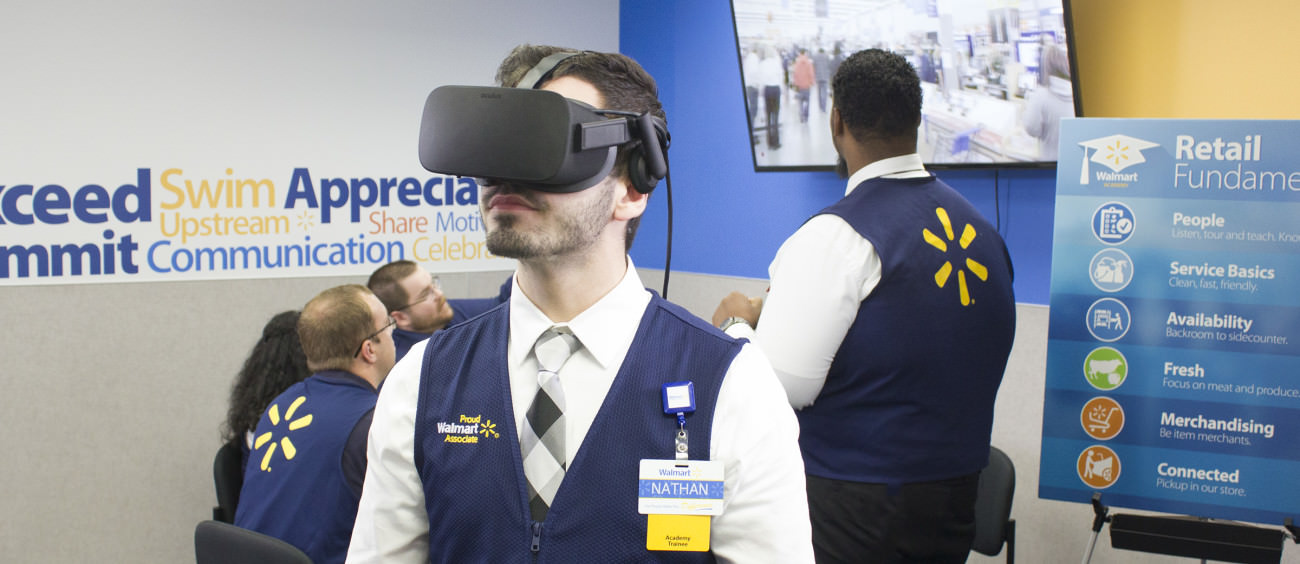
VR is redefining training and development within IT. It offers immersive learning experiences, allowing professionals to interact with realistic simulations, enhancing the learning curve and providing hands-on experience in a controlled environment.
Enhanced Remote Collaboration:
The integration of VR and AR is reinventing the dynamics of remote collaboration in IT projects. Teams can interact in a virtual space, share ideas, visualise concepts, and execute tasks collaboratively, breaking the barriers of geographical limitations and fostering creativity and innovation.
AR in IT Support:
Augmented Reality is significantly contributing to IT support and maintenance. AR tools allow support professionals to overlay helpful information, instructions, or diagrams onto physical IT hardware, assisting in troubleshooting and maintenance activities, thus reducing downtime and improving efficiency.
Virtual Prototyping:
VR enables IT professionals to create virtual prototypes of software and applications, allowing users to interact with them before they are fully developed. This helps in receiving early feedback and making necessary alterations, thereby optimising the development process.
Improved Customer Engagement:
AR and VR are transforming customer engagement strategies. They provide immersive experiences that captivate users, facilitating the demonstration of products and services in an interactive manner, enhancing user understanding and boosting satisfaction levels.

Application in Data Visualisation:
In IT, deciphering complex datasets is a routine task. AR and VR provide innovative solutions to represent data in three-dimensional spaces, enabling a more in-depth analysis and understanding, which is especially pivotal for Big Data and analytics.
Healthcare IT:
In the healthcare sector, AR and VR are revolutionising IT applications. They are being employed for medical training, patient care, surgical simulations, and treatment planning, thus enriching the medical experience and improving outcomes.
Addressing Security Concerns:
The proliferation of AR and VR in IT necessitates robust security measures. Safeguarding the interactions and data involved in these technologies is crucial. The development and implementation of advanced security protocols are essential to protect against potential threats and vulnerabilities.
Market Growth and Future Prospects:
The market for AR and VR in IT is experiencing exponential growth, driven by continuous advancements and increasing adoption across sectors. The ongoing innovations are expected to unveil more sophisticated applications, opening new avenues and reshaping the way IT interacts with the virtual and real world.
Conclusion:
Virtual and Augmented Reality are no longer confined to the gaming industry. Their expansion into the IT sector is introducing unprecedented possibilities and applications. From enriching user interaction to enhancing learning experiences and improving customer engagement, AR and VR are paving the way for a more immersive and interactive future in IT. The continuous exploration and integration of these technologies are essential in realising their full potential and shaping the future of IT.