
In an age where sustainability is no longer a choice but a necessity, zero-energy buildings (ZEBs) have emerged as a beacon of innovation and environmental responsibility. These buildings are designed to generate as much energy as they consume over a year, creating a balance between energy usage and renewable energy production. In urban environments, where the ecological footprint is significantly high, the adoption of zero-energy buildings is a crucial step towards sustainable living.
In an age where sustainability is no longer a choice but a necessity, zero-energy buildings (ZEBs) have emerged as a beacon of innovation and environmental responsibility. These buildings are designed to generate as much energy as they consume over a year, creating a balance between energy usage and renewable energy production. In urban environments, where the ecological footprint is significantly high, the adoption of zero-energy buildings is a crucial step towards sustainable living.
The Concept of Zero-Energy Buildings
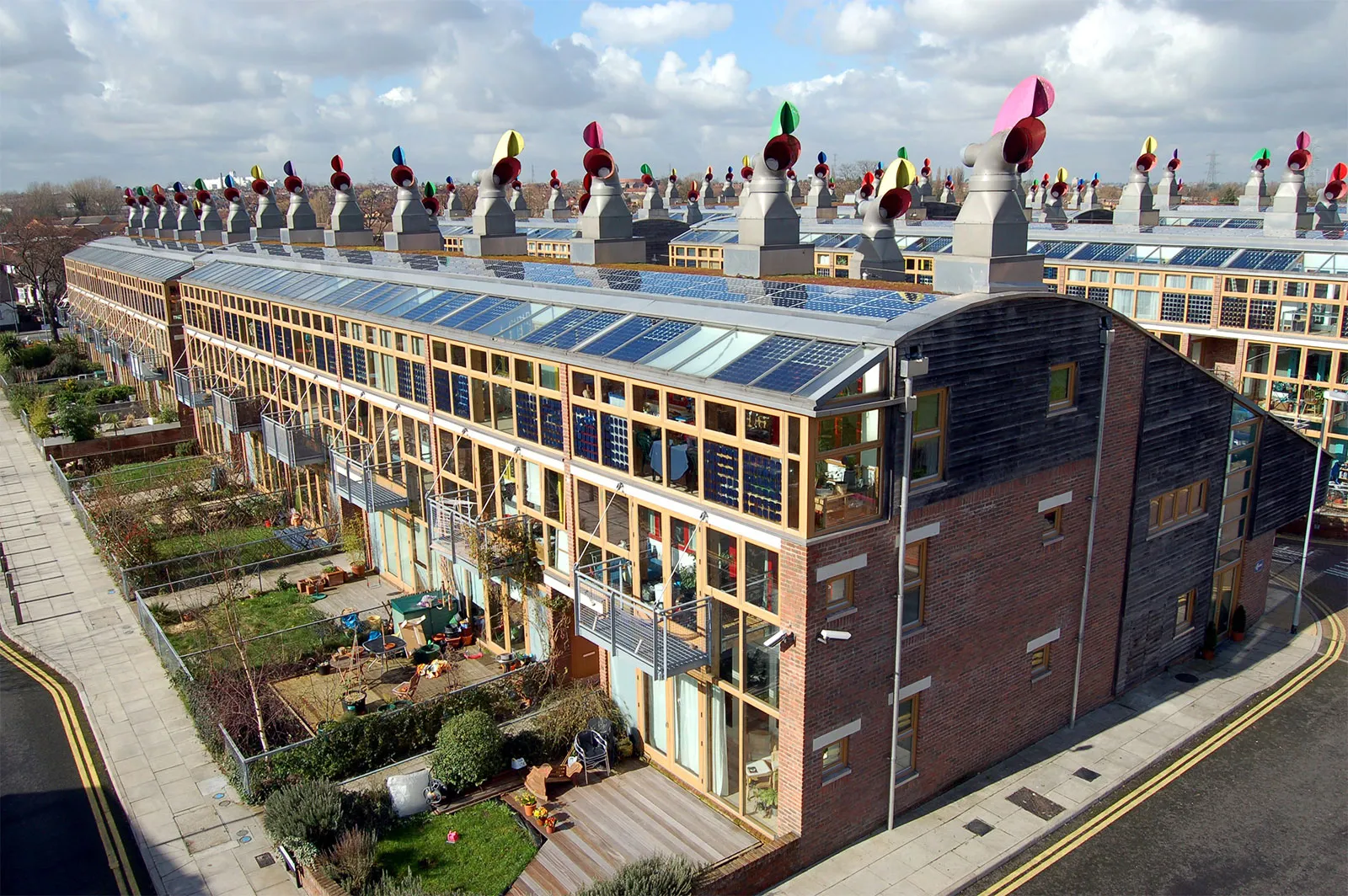
Zero-energy buildings integrate various renewable energy sources, such as solar and wind power, to meet their energy needs. The goal is not just to minimise energy consumption but to create a system where the building’s total energy use is equal to the amount of renewable energy it creates.
Design Principles of Zero-Energy Buildings
Energy Efficiency: The primary step in designing a ZEB is to minimise energy requirements. This involves using energy-efficient appliances, LED lighting, high-efficiency HVAC systems, and smart home technologies.
Insulation and Building Envelope: A well-insulated building envelope is crucial to prevent heat loss in winter and heat gain in summer. This includes using high-quality insulation materials, triple-glazed windows, and thermally efficient doors.
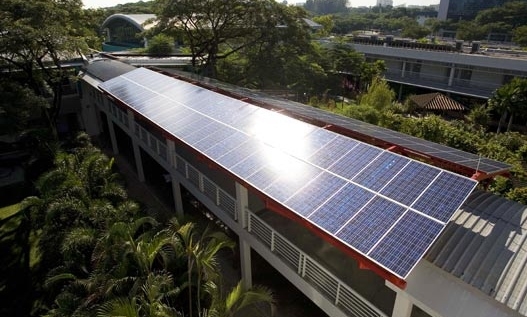
Solar Energy Utilisation: Incorporating photovoltaic (PV) panels and solar thermal systems to generate electricity and heat is a key feature of ZEBs.
Smart Building Management Systems: These systems monitor and control the building's energy needs, ensuring efficient energy use and minimising waste.
Natural Lighting and Ventilation: Maximising natural light and ventilation reduces the need for artificial lighting and air conditioning, significantly cutting down energy consumption.
Challenges in Implementing Zero-Energy Buildings
While the concept is promising, there are challenges in implementing ZEBs, especially in dense urban environments:
High Initial Costs: The technology and materials for ZEBs can be more expensive than conventional buildings, although this is often offset by long-term energy savings.
Technological Integration: Integrating various renewable energy technologies into a cohesive system can be complex.
Urban Planning and Policy Barriers: Zoning laws, building codes, and urban policies may not always accommodate the unique requirements of ZEBs.
Innovations Driving Zero-Energy Buildings
Innovations in technology and design are continually pushing the boundaries of what's possible in zero-energy building:
Building-Integrated Photovoltaics (BIPV): These are solar panels integrated into the building's structure, such as in windows or facades, making them a seamless part of the building’s design.
Advanced Insulation Materials: New insulation materials offer higher R-values (thermal resistance), providing better insulation with less thickness.
Energy Storage Systems: Battery storage systems are essential for storing excess energy generated by renewable sources for use during non-generating times.
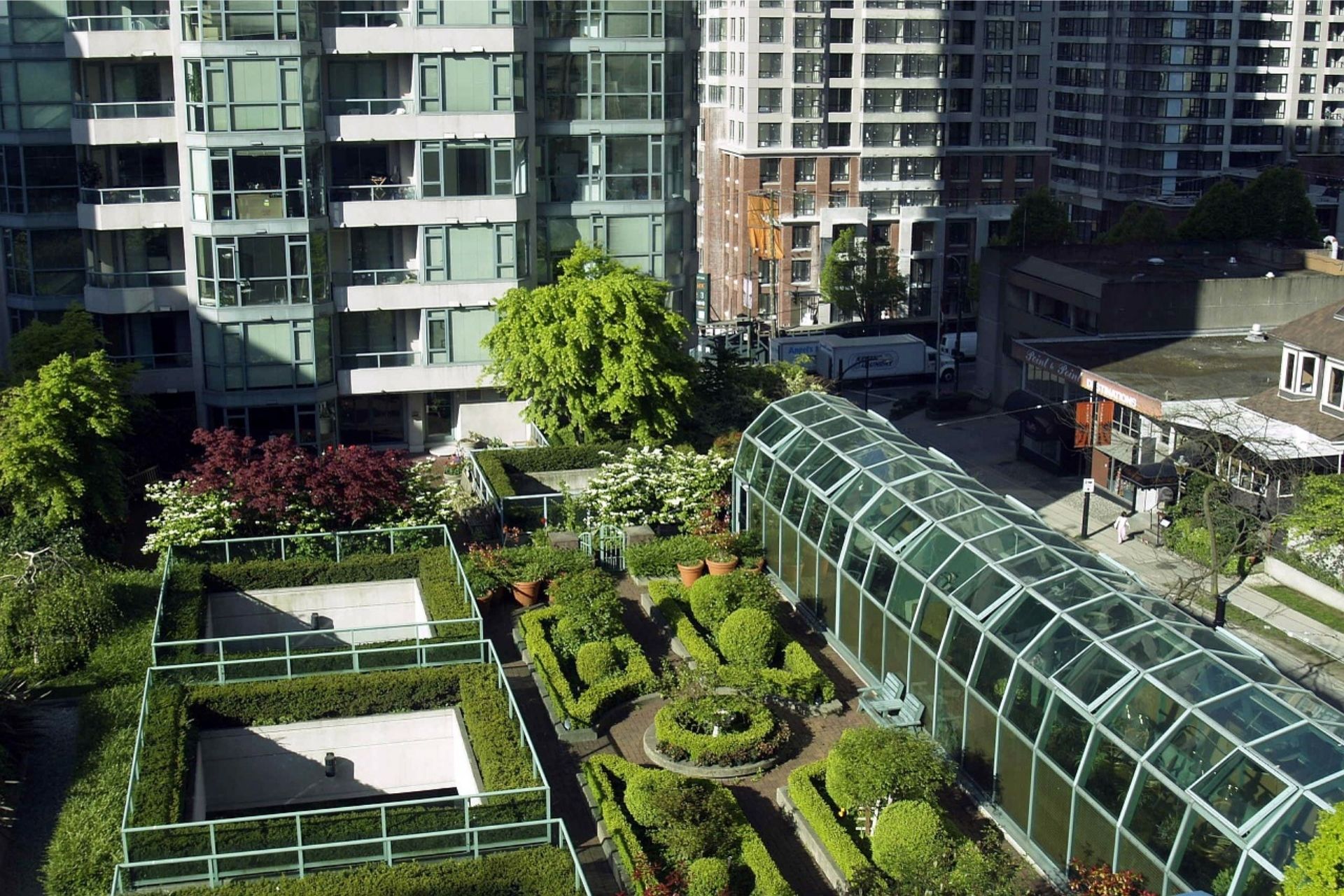
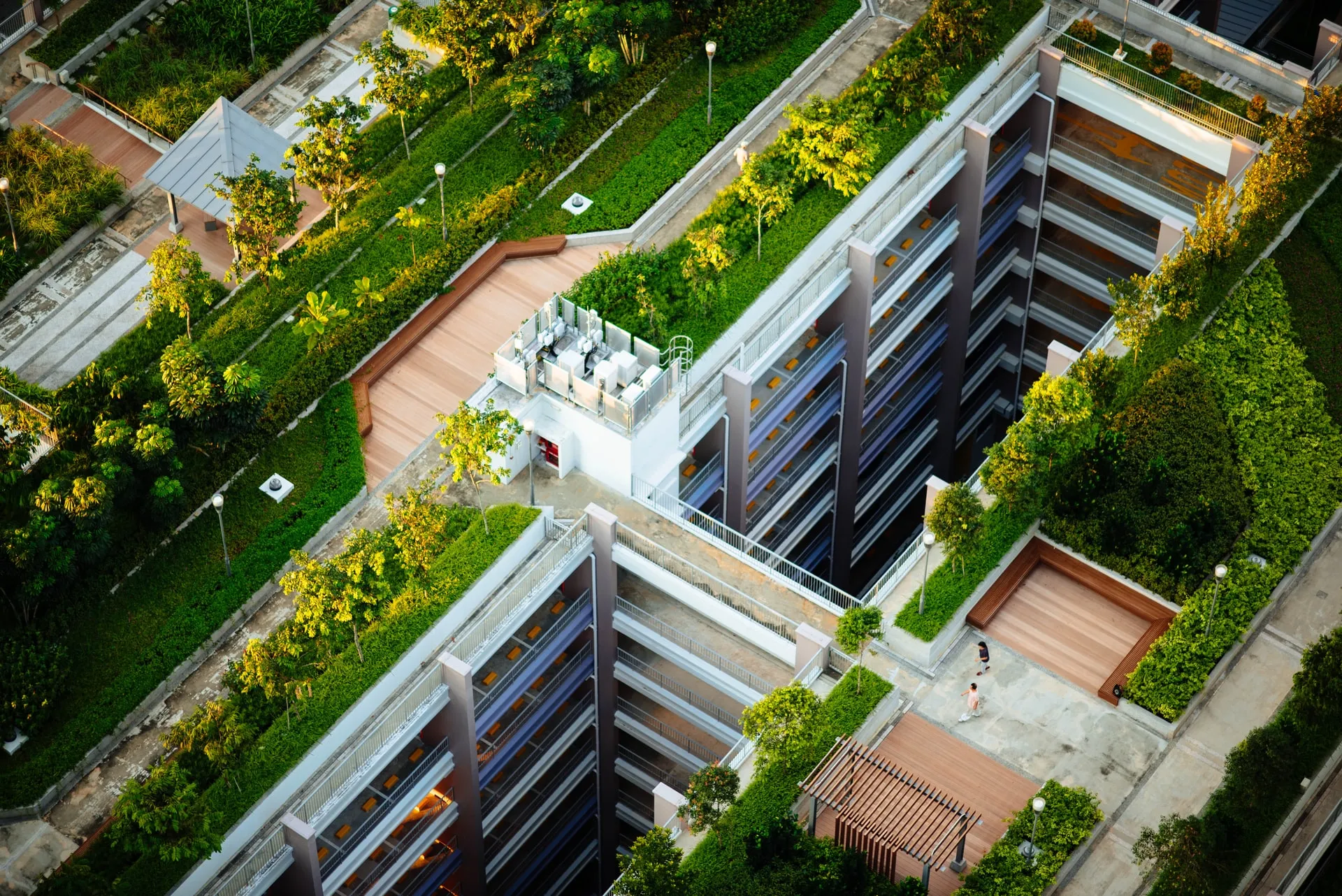
Green Roofs and Walls: These not only provide insulation but also contribute to air purification and biodiversity.
Case Studies and Examples
Several cities around the world have successful examples of zero-energy buildings:
The Bullitt Centre in Seattle: Often referred to as the greenest commercial building in the world, it is designed to mimic the efficiency of a forest.
The Edge in Amsterdam: This office building generates more energy than it consumes, thanks to its solar panels and energy-efficient design.
The Future of Zero-Energy Buildings in Urban Planning
As we move forward, the integration of zero-energy buildings into urban planning is expected to become more prevalent. With advancements in technology and increasing awareness of environmental issues, ZEBs represent a significant step towards sustainable urban development.
Conclusion
Zero-energy buildings are at the forefront of the movement towards sustainable and environmentally responsible urban development. By balancing energy efficiency with renewable energy production, these buildings offer a blueprint for a greener, more sustainable future. As the technology becomes more accessible and cost-effective, the dream of cities filled with zero-energy buildings becomes increasingly attainable, paving the way for a world where sustainability is ingrained in the very fabric of our urban landscapes.